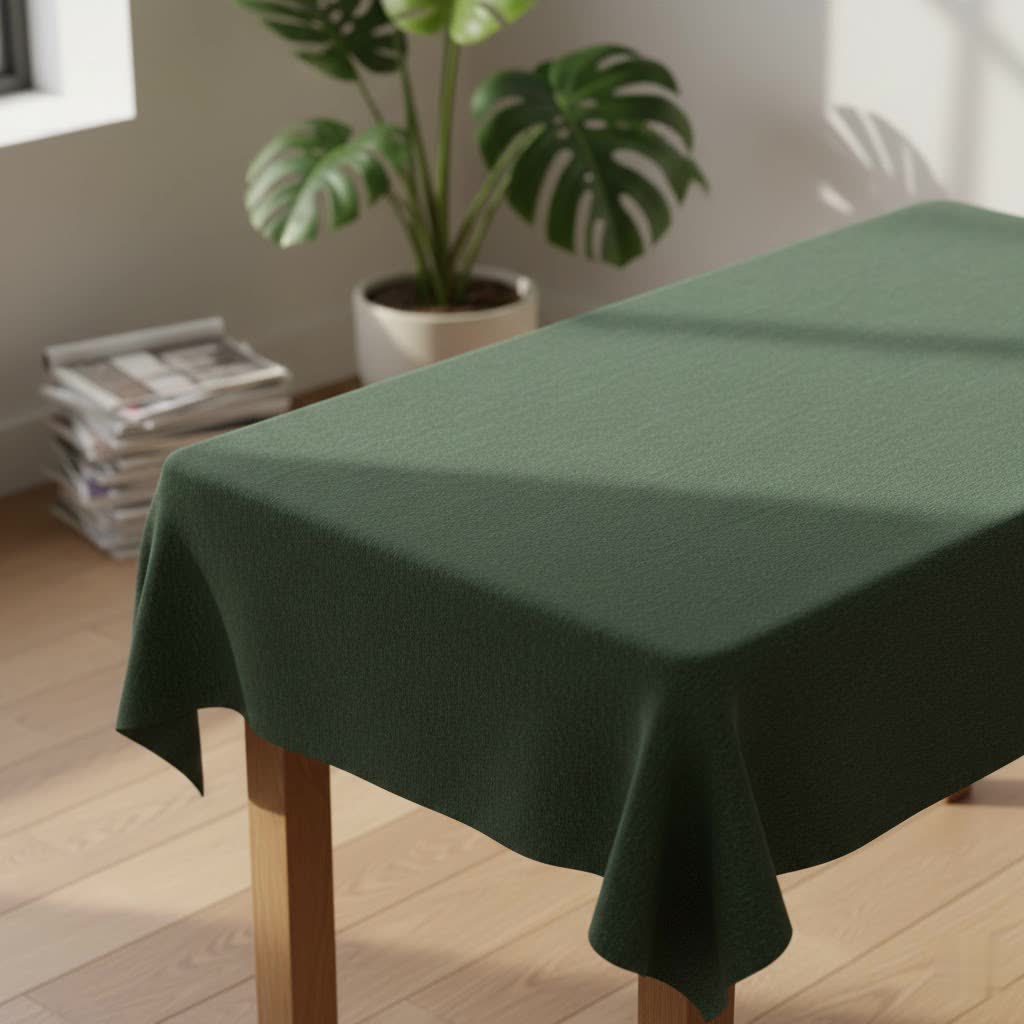
Transforming your dining area or event space often begins with the foundation of your decor: the tablecloth. For round tables, choosing the perfect cover isn’t just about protection; it’s about adding warmth, style, and a touch of elegance that sets the entire mood. Whether you’re hosting a casual brunch, a formal dinner, or simply enhancing your everyday dining, the right round table cover can make all the difference. This comprehensive guide will walk you through everything you need to know, from understanding materials and mastering measurements to caring for your beloved linens, ensuring your round table always looks its best.
What Are Round Table Covers and Why Do You Need Them?
At its core, a round table cover is a piece of fabric or material designed to drape over a circular table. Beyond their simple definition, these covers serve multiple vital functions that extend far beyond mere aesthetics. Historically, tablecloths have been used for centuries, evolving from functional protection against spills and scratches to sophisticated decorative elements. For more tablecloths guides on this site.
Today, round table covers continue this tradition, offering significant benefits to any home or event. They act as a protective barrier, shielding your table from daily wear and tear, heat, and spills, thus preserving its longevity and pristine condition. Aesthetically, they are powerful tools for decoration, capable of instantly changing the ambiance of a room. From vibrant patterns that inject personality to understated solid colors that exude sophistication, a well-chosen round table cover can tie together your decor, create a focal point, and even make a casual meal feel like a special occasion.
Exploring the Varieties of Round Table Covers
The world of round table covers is rich with options, primarily distinguished by their material and fit. Each type offers a unique blend of aesthetic appeal, practical benefits, and care requirements, making it essential to understand the differences to select the best fit for your lifestyle and needs.
By Material:
- Cotton: Cotton tablecloths are cherished for their natural softness, breathability, and excellent absorbency. They offer a comforting, familiar feel, making them ideal for everyday use and casual settings. However, cotton is prone to wrinkling and can be susceptible to shrinking if not washed correctly. Proper care often involves machine washing and gentle ironing to maintain its smooth appearance.
- Linen: Synonymous with luxury and timeless elegance, linen round tablecloths are highly durable and possess a distinctive textured weave. They are breathable and become softer with each wash, exuding a sophisticated charm perfect for more formal dining or rustic-chic aesthetics. The primary challenge with linen is its tendency to wrinkle easily, requiring careful handling during washing and often ironing for a crisp look.
- Polyester: As a synthetic fabric, polyester is a powerhouse of practicality. It’s renowned for its exceptional durability, wrinkle resistance, and stain-resistant properties, making it incredibly easy to care for. Polyester tablecloths are a versatile choice for both high-traffic everyday use and large events, offering a polished look without demanding extensive maintenance. While less breathable than natural fibers, modern polyester blends can be quite soft.
- PVC/Vinyl/PEVA/Laminated Cotton: These materials are champions of spill protection. Designed to be completely waterproof and incredibly easy to clean with a simple wipe, they are perfect for households with children, outdoor dining, or commercial settings where durability and hygiene are paramount. While highly functional and affordable, they might offer a less luxurious feel than natural fabrics and, depending on the type, may be less eco-friendly. Laminated cotton provides a softer feel with waterproof benefits.
- Satin, Taffeta, and Silk: These opulent fabrics are reserved for creating a truly elegant and formal statement. Satin offers a smooth, glossy finish, taffeta provides a crisp texture, and silk boasts an unparalleled sheen and delicate drape. While stunning for weddings, banquets, and celebratory events, these materials are often delicate, require specialized care such as delicate washing or dry cleaning, and come at a higher price point.
- Spandex/Lycra (Fitted): For a contemporary and streamlined appearance, spandex or Lycra fitted table covers are an excellent choice. They hug the table’s contours tightly, offering a sleek, modern look that’s popular for trade shows, cocktail parties, and professional events. Their stretch properties ensure a smooth, wrinkle-free surface, though precise sizing is crucial for the perfect fit. Care typically involves gentle washing and air drying to preserve elasticity.
By Style/Fit:
|
Our Picks for the Best Table Cloth in 2026
As an Amazon Associate I earn from qualifying purchases.
|
||
| Num | Product | Action |
|---|---|---|
| 1 | sancua Rectangle Tablecloth - 60 x 84 Inch - Stain and Wrinkle Resistant Washable Polyester Table Cloth, Decorative Fabric Table Cover for Dining Tables, Buffet Parties and Camping, Burgundy |

|
| 2 | Pureegg Plastic Table Cloth Disposable 10 Pack, 54 x 108 Inch Table Cloths, Halloween Party Decorations, Summerween Decor, Halloween Tablecloths, Rectangle, Plastic Cover, Leakproof & Sturdy, Black |
|
| 3 | sancua Rectangle Tablecloth - 60 x 84 Inch - Stain and Wrinkle Resistant Washable Polyester Table Cloth, Decorative Fabric Table Cover for Dining Tables, Buffet Parties and Camping, Beige |
|
| 4 | sancua Rectangle Tablecloth - 60 x 84 Inch - Stain and Wrinkle Resistant Washable Polyester Table Cloth, Decorative Fabric Table Cover for Dining Tables, Buffet Parties and Camping, Gold |
|
| 5 | Pureegg Plastic Table Cloth Disposable 10 Pack, 54 x 108 Inch Table Cloths, Birthday Party Decorations, Picnic, White Tablecloths, Rectangle, Colorful, Rainbow Cover, Leakproof & Sturdy, Balloon |
|
| 6 | sancua Rectangle Tablecloth - 60 x 84 Inch - Stain and Wrinkle Resistant Washable Polyester Table Cloth, Decorative Fabric Table Cover for Dining Tables, Buffet Parties and Camping, Black |
|
| 7 | sancua Rectangle Tablecloth - 60 x 84 Inch - Stain and Wrinkle Resistant Washable Polyester Table Cloth, Decorative Fabric Table Cover for Dining Tables, Buffet Parties and Camping, Blush |
|
| 8 | Pureegg Plastic Table Cloth 10 Pack, 54 x 108 Inch Disposable Table Cloths for Party, Picnic and Wedding, Rectangle, White |
|
| 9 | sancua Rectangle Tablecloth - 60 x 84 Inch - Stain and Wrinkle Resistant Washable Polyester Table Cloth, Decorative Fabric Table Cover for Dining Tables, Buffet Parties and Camping, Grey |
|
| 10 | Laolitou Rustic Tablecloth Cotton Linen Waterproof Spring Tablecloth Burlap Table Cloths for Kitchen Dining Cloth Table Cloth for Rectangle Tables Coffee Lines Rectangle,55''x70'',4-6 Seats |
|
- Traditional Draped: This classic style allows the fabric to fall naturally around the table, creating soft folds and a graceful silhouette. The “drop” or overhang can vary from a short casual fall to an elegant floor-length drape, depending on the desired formality.
- Fitted/Stretch: Offering a more modern and tailored look, fitted table covers are designed to hug the table tightly, creating a smooth, wrinkle-free surface. They are often made from stretch materials like spandex and are popular for their clean lines and professional appearance.
By Occasion:
- Everyday Use: For daily meals, prioritize materials that are durable, easy to clean, and resistant to stains, such as polyester or easy-care cotton blends.
- Formal Events: Opt for luxurious fabrics like linen, satin, or silk, often with a longer, more dramatic drop, to create an atmosphere of sophistication.
- Outdoor Use: Weather-resistant and easy-to-clean materials like PVC, vinyl, or certain durable polyesters are best for protecting your table against the elements and inevitable spills.
Comparing Popular Round Table Cover Materials
Selecting the right material is a pivotal decision that balances aesthetic desire with practical needs. Here’s a comparison to help guide your choice:
| Material | Pros | Cons | Best For | Price Range |
|---|---|---|---|---|
| Cotton | Soft, breathable, absorbent, natural feel | Wrinkles easily, can shrink | Casual dining, everyday use, informal gatherings | Medium |
| Linen | Luxurious, highly durable, elegant drape, breathable | Wrinkles easily, higher maintenance, can be pricey | Formal settings, rustic elegance, special occasions | High |
| Polyester | Durable, wrinkle-resistant, stain-resistant, easy to care for, affordable | Less breathable than natural fibers | Everyday dining, events, high-traffic environments | Low-Medium |
| PVC/Vinyl | Waterproof, extremely easy to clean, highly affordable | Less luxurious feel, can crack over time, less eco-friendly | Kids’ parties, outdoor use, heavy-duty applications | Low |
| Spandex | Snug, modern, wrinkle-free fit, professional appearance | Specific sizing required, can show table imperfections | Trade shows, modern events, cocktail tables | Medium |
Your Guide to Choosing the Perfect Round Table Cover
Choosing the ideal round table cover involves more than just picking a pretty color; it requires careful consideration of size, material, style, and purpose. Here’s how to ensure you make the best choice:
Measure Your Round Table Accurately
The most crucial step is getting the right size. To do this:
- Measure the diameter of your table: Measure straight across the center of your table, from one edge to the opposite edge.
- Determine your desired “drop” (overhang): This refers to how far the tablecloth hangs down from the table’s edge.
- Casual settings: An 6-12 inch drop is typically ideal, offering a relaxed yet polished look.
- Standard dining: A 10-12 inch drop is common for everyday meals.
- Formal events/floor-length: Aim for a 15-30 inch drop, or even a floor-length drape for maximum elegance and to hide table legs.
- Calculate the total tablecloth diameter: Use this simple formula:
Tablecloth Diameter = Table Diameter + (Desired Drop x 2)
For example, for a 48-inch round table:- For a 12-inch casual drop: 48 + (12 x 2) = 72 inches. You’d look for a 72-inch round tablecloth.
- For an elegant floor-length drop (e.g., 30 inches): 48 + (30 x 2) = 108 inches. You’d need a 108-inch round tablecloth.
Select the Right Material for Your Needs
Refer to the “Exploring the Varieties of Round Table Covers” and the comparison table above. Consider:
- Durability: How often will it be used? For daily use, prioritize robust materials like polyester or durable cotton.
- Washability: Do you need something machine washable for frequent spills, or can you manage delicate care?
- Aesthetic: Does the material’s texture and drape align with your desired look?
Harmonize with Your Decor and Occasion
- Color and Pattern: Choose colors and patterns that complement your room’s existing decor, wall colors, and tableware. Solid colors offer timeless elegance, while patterns can add personality and hide minor stains more effectively.
- Style: A traditional draped tablecloth creates a classic feel, whereas a fitted spandex cover offers a sleek, modern touch suitable for contemporary spaces or professional events.
Consider Maintenance and Longevity
Think about the time and effort you’re willing to invest in care. Easy-care polyester or wipe-clean vinyl might be perfect for busy households, while delicate silk or linen may require more attention. Investing in a durable material will ensure your round table cover maintains its beauty for years to come.
Read Reviews and Ask for Recommendations
Before making a final purchase, take time to read customer reviews and ratings. Insights from other users can provide valuable information about the product’s true quality, color accuracy, durability, and ease of care. Don’t hesitate to ask for recommendations from friends or experts in home decor.
Expert Tips for Cleaning and Caring for Your Round Table Covers
Proper care is essential to extend the lifespan and maintain the beauty of your round table covers. Follow these expert tips for cleaning and storage:
General Washing Instructions:
- Shake Off Debris: Always shake off any loose food particles, crumbs, or dust before washing.
- Spot Clean Immediately: For spills or small stains, tackle them right away. Blot (don’t rub) the affected area with a damp cloth and a mild detergent. Pre-treating stubborn stains can significantly improve results.
- Machine Wash Gentle Cycle: Most fabric tablecloths (cotton, polyester, linen blends) can be machine washed. Use a gentle cycle with cold water and a mild laundry detergent to protect the fabric and color. Avoid using harsh chemicals or bleach, especially on colored linens, as this can cause fading or damage.
- Wash Separately: To prevent snags, lint transfer, or color bleeding, wash your tablecloths by themselves or with similar items.
Drying Techniques:
- Air Dry is Best: Whenever possible, air dry your tablecloths by hanging them on a line or drying rack. This helps prevent shrinkage, minimizes wrinkles, and preserves the fabric’s integrity. Keep them out of direct sunlight to prevent fading.
- Tumble Dry Low Heat: If using a dryer, select a low-heat setting. High heat can set wrinkles, shrink fabric, and weaken fibers. Remove the tablecloth promptly once the cycle is complete to avoid deep creases.
- Avoid Over-Drying: Over-drying can damage fibers and make wrinkles more difficult to remove.
Stain Removal:
- For oil-based stains, pre-treat with a grease-cutting dish soap before washing.
- For wine stains, blot immediately, then soak in cold water with a mild detergent.
Proper Storage:
- Clean and Dry: Ensure your tablecloth is completely clean and dry before storing it to prevent mildew, odors, or setting old stains.
- Fold or Roll Loosely: To minimize creases, fold tablecloths neatly or roll them around a cardboard tube.
- Breathable Storage: Store in a cool, dry place away from direct sunlight. Use breathable fabric bags or pillowcases instead of plastic bags, which can trap moisture and cause yellowing or mildew. Avoid placing heavy items on top, which can create permanent creases.
Ironing/De-wrinkling:
- Low Heat Setting: If ironing is necessary, use a low to medium heat setting appropriate for the fabric type. Iron on the reverse side of patterned or embroidered tablecloths to protect the design.
- Use a Pressing Cloth: For delicate fabrics or to prevent scorching, place a clean pressing cloth between the iron and the tablecloth.
- Steaming: A handheld steamer is an excellent alternative for quickly removing wrinkles and refreshing fabrics, especially for delicate materials.
Top Brands for Round Table Covers
When investing in round table covers, seeking out reputable brands known for quality and design is always a wise decision. While specific brand preferences can vary widely based on individual style, budget, and material requirements, look for companies that consistently receive positive customer reviews for durability, colorfastness, and accurate sizing. Brands that offer a diverse range of materials, patterns, and sizes often provide the flexibility to find exactly what you need, whether it’s a robust polyester for everyday dining or an exquisite linen for special occasions. Prioritize those that clearly state care instructions and use high-quality fabrics, ensuring your purchase stands the test of time and continues to enhance your home decor.
Conclusion
Round table covers cloth are much more than simple accessories; they are essential elements that marry functionality with style, safeguarding your furniture while dramatically enhancing your dining experience. From the timeless appeal of natural fibers like cotton and linen to the practical resilience of polyester and waterproof vinyl, understanding the nuances of each material is key to making an informed choice. Equally important are precise measurements to achieve the perfect drape and dedicated care routines to preserve your covers’ beauty. By considering your table’s dimensions, your personal style, the intended use, and the ease of maintenance, you can confidently select the ideal round table cover to truly elevate any space. What vision do you have for your next table setting?
Frequently Asked Questions
What is the ideal drop length for a round tablecloth?
The ideal drop length for a round tablecloth depends on the occasion. For casual settings, a drop of 6-12 inches is common. For standard dining, aim for 10-12 inches. For formal events, a drop of 15-30 inches or a floor-length cover (where the tablecloth touches the floor) creates a more elegant and dramatic look, typically requiring a larger tablecloth diameter.
How do I measure my round table for a tablecloth?
To measure your round table for a tablecloth, first measure the table’s diameter across the center from one edge to the opposite edge. Then, decide on your desired “drop” length. Add twice the desired drop length to the table’s diameter to get the total tablecloth diameter needed. For example, if your table is 48 inches in diameter and you want a 12-inch drop, you need a 72-inch round tablecloth (48 + 12 + 12 = 72).
Which material is best for everyday round tablecloths?
For everyday round tablecloths, polyester is often considered the best material due to its durability, wrinkle resistance, and stain-resistant properties, making it very easy to care for and maintain. Cotton is another popular choice for its natural feel and breathability, though it may require more frequent ironing to combat wrinkles.
Can I machine wash all round table covers?
Most fabric round table covers made from cotton, polyester, or linen blends can be machine washed on a gentle cycle with cold water and mild detergent. However, delicate fabrics like silk or heavily embellished covers may require hand washing or dry cleaning. Waterproof materials like vinyl or PVC should typically be wiped clean with a damp cloth and mild soap, not machine washed. Always check the care label or manufacturer’s instructions.
How do I prevent my round tablecloth from wrinkling?
To prevent your round tablecloth from wrinkling, choose wrinkle-resistant materials like polyester or spandex. When washing, use a gentle cycle and remove the tablecloth immediately after the wash cycle. Air dry by hanging it or tumble dry on a low-heat setting and remove it promptly. Fold or roll it neatly for storage, and if necessary, iron on a low heat setting on the reverse side or use a steamer to smooth out any creases.
Get our weekly buyer guide
Practical specs, not advice. Unsubscribe anytime.
