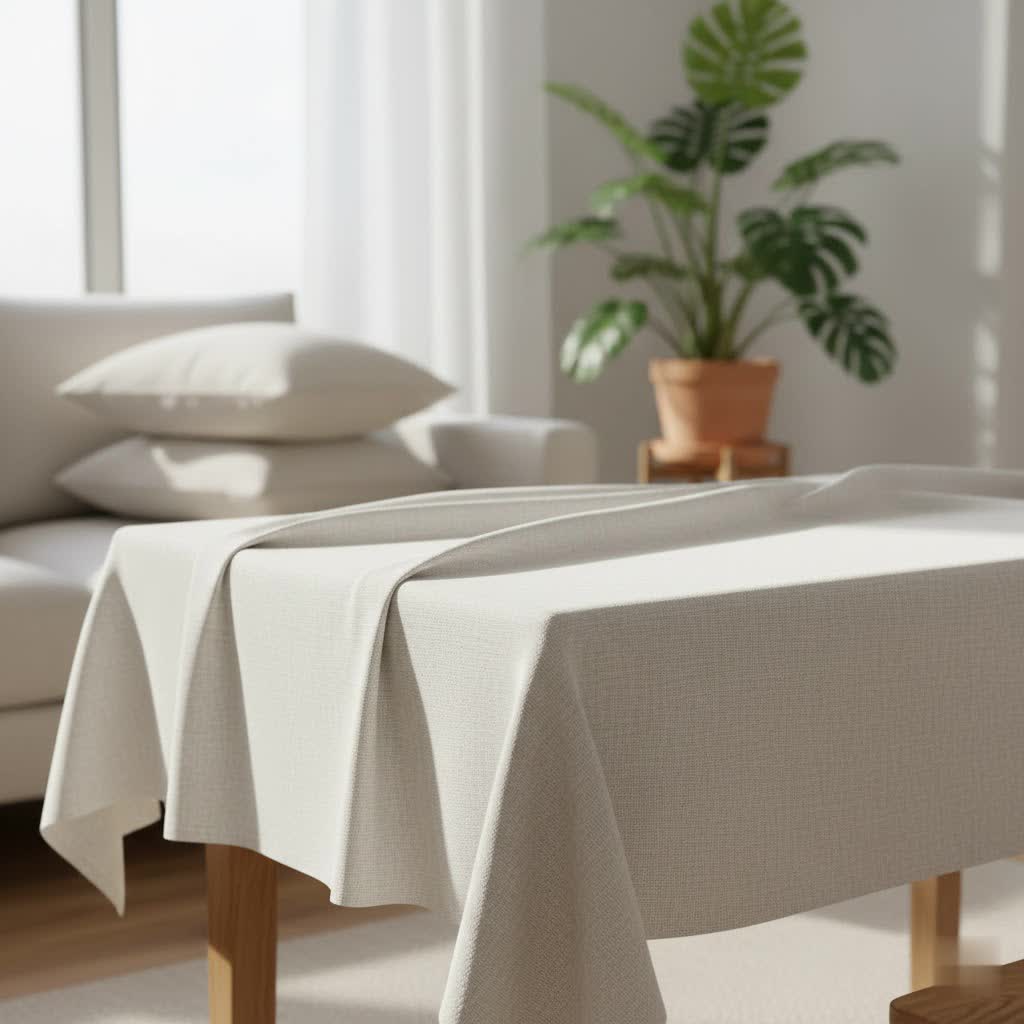
Are you looking to elevate your living room decor while simultaneously safeguarding your beloved coffee table? A coffee table cloth is more than just a decorative accent; it’s a practical and stylish solution that can transform the heart of your living space. With a myriad of materials, shapes, and designs available, choosing the perfect coffee table cloth might seem daunting. This comprehensive guide will walk you through everything you need to know, from understanding the various types and their benefits to selecting the ideal cloth that complements your home and lifestyle.
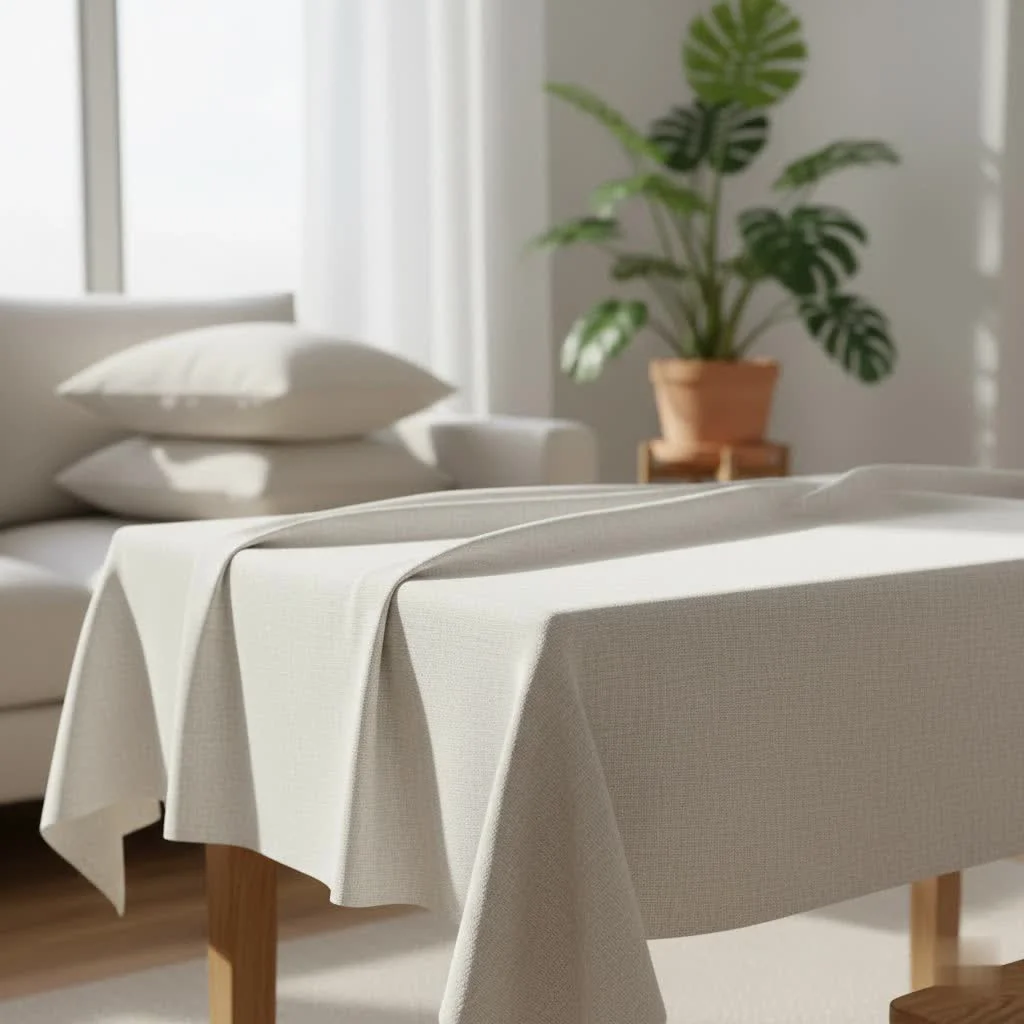
What is a Coffee Table Cloth? Why Do You Need It?
A coffee table cloth is a piece of fabric or material designed to cover the surface of your coffee table. Historically, table coverings have been used for centuries, evolving from simple protective layers to elaborate decorative elements. For your coffee table, a cloth serves a dual purpose: it acts as a crucial shield against everyday wear and tear, preventing scratches, spills, and heat marks, while also providing an instant aesthetic upgrade to your living room.
Beyond mere protection, a thoughtfully chosen coffee table cloth can significantly enhance your home’s ambiance. It softens hard lines, introduces texture and color, and ties together various decorative elements, creating a cohesive and inviting atmosphere. It’s an effortless way to refresh your decor seasonally or for special occasions, making your coffee table a true focal point.
Popular Types of Coffee Table Cloths
The world of coffee table cloths offers a vast selection, each bringing its unique blend of aesthetics and functionality. Understanding the different options by material, shape, and style will help you make an informed choice that perfectly suits your needs.
By Material:
The material of your coffee table cloth dictates its look, feel, durability, and care requirements.
- Cotton: Cotton coffee table cloths are celebrated for their softness, breathability, and ease of maintenance. They are highly absorbent, making them practical for everyday use where spills are common. Cotton offers immense versatility, fitting seamlessly into both casual and slightly more formal settings, and is available in countless colors and patterns to match any decor. However, cotton can be prone to wrinkling and may shrink if not washed properly.
- Linen: Prized for its natural elegance and sophisticated appearance, linen ages beautifully and offers excellent durability. It provides a unique, textured look that works well in both modern and rustic-themed spaces. While linen offers good absorbency and breathability, it tends to wrinkle easily and may require a bit more effort in care to maintain its pristine look.
- Polyester: As a synthetic fabric, polyester is a workhorse known for its exceptional durability and resistance to stains, wrinkles, and shrinking. These qualities make it an ideal choice for high-traffic coffee tables, especially in homes with children or frequent guests. Polyester coffee table cloths are generally affordable, easy to clean, and come in a wide array of designs and finishes, including those mimicking natural fibers.
- PVC/PEVA: Often referred to as vinyl or plastic tablecloths, PVC and PEVA options are highly practical for superior spill and stain protection. They are waterproof, incredibly easy to wipe clean, and budget-friendly. While they may not offer the soft, luxurious feel of natural fabrics, their functional benefits are undeniable, particularly for outdoor coffee tables or busy households.
- Lace: For a touch of delicate elegance and intricate design, lace coffee table cloths are an exquisite choice. They are primarily decorative, offering a refined and classic aesthetic that enhances a traditional or vintage-inspired space. Lace requires careful handling due to its delicate nature and is typically less durable than other materials, making it best suited for decorative purposes rather than heavy use.
By Shape:
|
Our Picks for the Best Table Cloth in 2026
As an Amazon Associate I earn from qualifying purchases.
|
||
| Num | Product | Action |
|---|---|---|
| 1 | sancua Rectangle Tablecloth - 60 x 84 Inch - Stain and Wrinkle Resistant Washable Polyester Table Cloth, Decorative Fabric Table Cover for Dining Tables, Buffet Parties and Camping, Blush |

|
| 2 | sancua Rectangle Tablecloth - 60 x 84 Inch - Stain and Wrinkle Resistant Washable Polyester Table Cloth, Decorative Fabric Table Cover for Dining Tables, Buffet Parties and Camping, Gold |
|
| 3 | Laolitou Rustic Tablecloth Cotton Linen Waterproof Spring Tablecloth Burlap Table Cloths for Kitchen Dining Cloth Table Cloth for Rectangle Tables Coffee Lines Rectangle,55''x70'',4-6 Seats |
|
| 4 | Pureegg Plastic Table Cloth Disposable 10 Pack, 54 x 108 Inch Table Cloths, Birthday Party Decorations, Picnic, White Tablecloths, Rectangle, Colorful, Rainbow Cover, Leakproof & Sturdy, Balloon |
|
| 5 | Pureegg Plastic Table Cloth Disposable 10 Pack, 54 x 108 Inch Table Cloths, Halloween Party Decorations, Summerween Decor, Halloween Tablecloths, Rectangle, Plastic Cover, Leakproof & Sturdy, Black |
|
| 6 | sancua Rectangle Tablecloth - 60 x 84 Inch - Stain and Wrinkle Resistant Washable Polyester Table Cloth, Decorative Fabric Table Cover for Dining Tables, Buffet Parties and Camping, Grey |
|
| 7 | sancua Rectangle Tablecloth - 60 x 84 Inch - Stain and Wrinkle Resistant Washable Polyester Table Cloth, Decorative Fabric Table Cover for Dining Tables, Buffet Parties and Camping, Beige |
|
| 8 | sancua Rectangle Tablecloth - 60 x 84 Inch - Stain and Wrinkle Resistant Washable Polyester Table Cloth, Decorative Fabric Table Cover for Dining Tables, Buffet Parties and Camping, Burgundy |
|
| 9 | sancua Rectangle Tablecloth - 60 x 84 Inch - Stain and Wrinkle Resistant Washable Polyester Table Cloth, Decorative Fabric Table Cover for Dining Tables, Buffet Parties and Camping, Black |
|
| 10 | Pureegg Plastic Table Cloth 10 Pack, 54 x 108 Inch Disposable Table Cloths for Party, Picnic and Wedding, Rectangle, White |
|
Matching the shape of your coffee table cloth to your table is essential for a polished look.
- Round Coffee Table Cloth: Designed for circular tables, these cloths provide a symmetrical drape and an elegant flow, softening the room’s edges.
- Square Coffee Table Cloth: Perfect for square coffee tables, ensuring an even overhang on all sides and a balanced appearance.
- Rectangular Coffee Table Cloth: The most common shape, fitting standard rectangular coffee tables and providing a traditional look.
- Oval Coffee Table Cloth: Designed to complement oval tables, offering a continuous, smooth drape around the curved edges.
By Style:
The style of your coffee table cloth can significantly influence the overall aesthetic of your living room.
- Minimalist Style: Characterized by clean lines, neutral colors (grays, whites, beiges), and simple textures. These cloths create an uncluttered, serene atmosphere, emphasizing functionality and subtle elegance.
- Vintage Style: Often features intricate patterns, delicate lace, or classic floral designs reminiscent of bygone eras. Vintage cloths add character and warmth, evoking a sense of nostalgia.
- Modern Style: Embraces bold geometric patterns, striking color contrasts, or sleek, solid hues. Modern coffee table cloths often feature innovative materials or unique textures that complement contemporary decor.
- Boho Style: Characterized by vibrant colors, eclectic patterns, and natural, sometimes raw textures like hand-embroidered details or fringe. Boho cloths infuse a space with an artistic, relaxed, and worldly charm.
- Rustic/Farmhouse Style: Incorporates natural materials like linen or burlap, often in earthy tones or with simple, homespun patterns like gingham. These cloths create a cozy, inviting, and grounded atmosphere.
Comparison Table: Popular Coffee Table Cloth Materials
Choosing the right material involves balancing aesthetics, durability, and maintenance. Here’s a comparison to help you decide:
| Material | Advantages | Disadvantages | Best Suited For | Price Range |
|---|---|---|---|---|
| Cotton | Soft, breathable, absorbent, easy to wash, versatile. | Prone to wrinkles, may shrink. | Everyday use, casual settings, homes with children. | Medium |
| Linen | Elegant, durable, natural texture, ages well. | Wrinkles easily, may require careful washing. | Formal settings, rustic/boho styles, high-end decor. | High |
| Polyester | Stain-resistant, wrinkle-resistant, durable, easy to clean, affordable. | Less breathable, can feel less natural. | High-traffic areas, outdoor use, busy households. | Low to Medium |
| PVC/PEVA | Waterproof, extremely easy to clean, highly protective, very affordable. | Less elegant, can look synthetic, not breathable. | Homes with small children, outdoor tables, heavy-duty protection. | Low |
| Lace | Delicate, elegant, adds intricate detail. | Fragile, difficult to clean, less durable. | Decorative purposes, special occasions, vintage themes. | Medium to High |
How to Choose a Coffee Table Cloth
Selecting the perfect coffee table cloth involves more than just picking a pretty pattern. Consider these key factors to ensure your choice is both beautiful and practical.
Determine the Correct Size
Accurate measurement is crucial for a well-fitting coffee table cloth. A good rule of thumb is to allow for an overhang or “drop” on all sides. For coffee tables, a drop of 6 to 12 inches (15 to 30 cm) on each side is generally suitable, providing enough coverage without overwhelming the space or tripping hazards.
- For Rectangular/Square Tables: Measure the length and width of your table. Add twice the desired drop to both the length and width measurements. For example, for a 30×50 inch table with a 9-inch drop, you’d need a 48×68 inch cloth (30 + 29 = 48; 50 + 29 = 68).
- For Round Tables: Measure the diameter of your table. Add twice the desired drop to this measurement. For a 36-inch round table with a 9-inch drop, you’d need a 54-inch round cloth (36 + 2*9 = 54).
- For Oval Tables: Treat as a rectangular table, measuring the longest length and widest width, then adding twice the desired drop to each.
Choose Material Based on Purpose
Your lifestyle and the primary use of your coffee table should guide your material choice. If your coffee table is frequently used for drinks, snacks, or crafts, a durable, easy-to-clean material like polyester or PVC/PEVA might be best. For purely decorative purposes or a more formal setting, linen or a delicate lace could be ideal. Cotton offers a good balance for everyday use with an appealing natural look.
Select Colors and Patterns to Match Your Space
The color and pattern of your coffee table cloth should harmonize with your existing decor.
- Solid Colors: Neutral tones (beige, gray, white) offer versatility and can be easily accessorized. Bolder colors can introduce a pop of personality or define a mood.
- Patterns: Geometric patterns suit modern spaces, florals bring a traditional or shabby-chic vibe, while stripes can create a nautical or classic feel. Consider the scale of the pattern – a large pattern on a small table might feel overwhelming, while a subtle pattern can add interest without distraction.
Consider Durability and Care
Think about how often you’re willing to wash and maintain the cloth. Machine washable options like most cotton and polyester blends are highly convenient. If you prefer natural fibers like linen, be prepared for potential ironing to keep it crisp. Always check the care label before purchasing.
Read User Reviews
Before making a final decision, take a moment to read reviews from other users. Their experiences can offer valuable insights into the actual quality, durability, and ease of care of specific coffee table cloths, helping you avoid potential disappointments.
Tips for Cleaning and Maintaining Coffee Table Cloths
Proper care extends the life and beauty of your coffee table cloth. While specific instructions vary by material, here are general guidelines and stain removal tips:
-
General Washing: Most cotton and polyester coffee table cloths are machine washable. For colored fabrics, use cold or lukewarm water on a gentle cycle to prevent fading. White linens can often withstand warmer temperatures, even up to 60-90 degrees Celsius for deep cleaning, though consistent high heat can weaken fibers over time. Always use a mild detergent and avoid excessive product to prevent residue buildup. Do not use detergents with optical brightening agents or chlorine bleach on colored or delicate fabrics unless explicitly stated.
-
Linen Care: Linen tablecloths can be machine washed. To minimize wrinkles, remove them promptly from the washing machine. Linen becomes stronger when wet and irons best when still damp. Avoid using fabric softener, as linen naturally softens with each wash.
-
Polyester/PVC/PEVA Care: These materials are generally very easy to clean. Polyester can be machine washed and tumble-dried on a low setting to prevent permanent wrinkles. PVC/PEVA cloths can usually be wiped clean with a damp cloth and mild soap, making them perfect for quick clean-ups.
-
Dealing with Stubborn Stains:
- Red Wine/Coffee: Blot the spill immediately with a clean cloth. For linen, sprinkling salt on the spill can help absorb some of the liquid before washing. Pre-treat with a stain remover or a mixture of white vinegar and baking soda before washing.
- Grease/Oil: Apply a pre-wash stain remover or rub a small amount of liquid dish soap directly onto the stain. Gently rub before washing.
- General Stains: Rinse the stained area with cold water. For more pigmented stains, blotting with white vinegar and baking soda can be effective. Always test stain removers on an inconspicuous area first.
-
Drying and Ironing: For most fabrics, air drying is gentlest and helps prevent shrinkage or damage. If using a dryer, select a low heat setting and remove the cloth while slightly damp to reduce wrinkles. Iron linen and cotton while still damp for the best results. For delicate materials like lace, lay flat to dry.
-
Storage: Ensure your coffee table cloth is completely clean and dry before storing to prevent mildew and permanent creases. Fold neatly along natural lines, avoiding sharp creases that can weaken fibers. For delicate or heirloom pieces, consider wrapping them in acid-free tissue paper and storing them in a cool, dry, well-ventilated area away from direct sunlight. Labeling your storage containers with fabric type, size, and care instructions can simplify future use.
Top Coffee Table Cloth Brands
While specific brand recommendations can vary widely based on regional availability and current trends, several manufacturers and retailers are consistently recognized for their quality and diverse offerings in table linens, including coffee table cloths. Look for brands that specialize in home textiles or offer a wide range of fabric choices.
Many home decor stores, both online and brick-and-mortar, carry excellent selections. Consider brands known for their sustainable practices, or those specializing in handmade or artisanal textiles if you’re seeking unique pieces. Reading reviews on platforms like Etsy or Wayfair can also reveal popular and well-regarded sellers for coffee table cloths. Focus on brands that align with your aesthetic preferences and budget, ensuring they provide clear information on materials and care.
“A beautiful coffee table cloth has the power to transform an ordinary gathering into a special occasion, adding warmth and personality to any home.” – Eleanor Vance, Interior Design Consultant
Conclusion
The humble coffee table cloth is a powerful tool for both protecting your furniture and enhancing your home’s aesthetic. From the natural elegance of linen to the practical resilience of polyester, and from minimalist designs to vibrant boho patterns, there’s a perfect coffee table cloth waiting to complement your unique style. By considering material, shape, size, and care requirements, you can select a piece that not only serves its functional purpose but also elevates your living space into a haven of comfort and style.
Are you ready to discover how a simple coffee table cloth can redefine your living room?
Frequently Asked Questions
Which coffee table cloth material is best for everyday use in a busy household?
For a busy household, polyester or a cotton-polyester blend is often the best choice for a coffee table cloth. These materials offer excellent durability, are highly resistant to stains and wrinkles, and are typically machine washable, making them very easy to clean and maintain on a regular basis. Their resilience ensures they stand up well to frequent use and spills.
How do I prevent my linen coffee table cloth from wrinkling excessively after washing?
To minimize wrinkles in a linen coffee table cloth, wash it in cold or lukewarm water on a gentle cycle, and avoid overloading the washing machine. Remove it promptly after the wash cycle finishes and either air dry it flat or tumble dry on a very low heat setting, removing it while it’s still slightly damp. Ironing linen while it’s still damp will yield the smoothest results.
Get our weekly buyer guide
Practical specs, not advice. Unsubscribe anytime.
