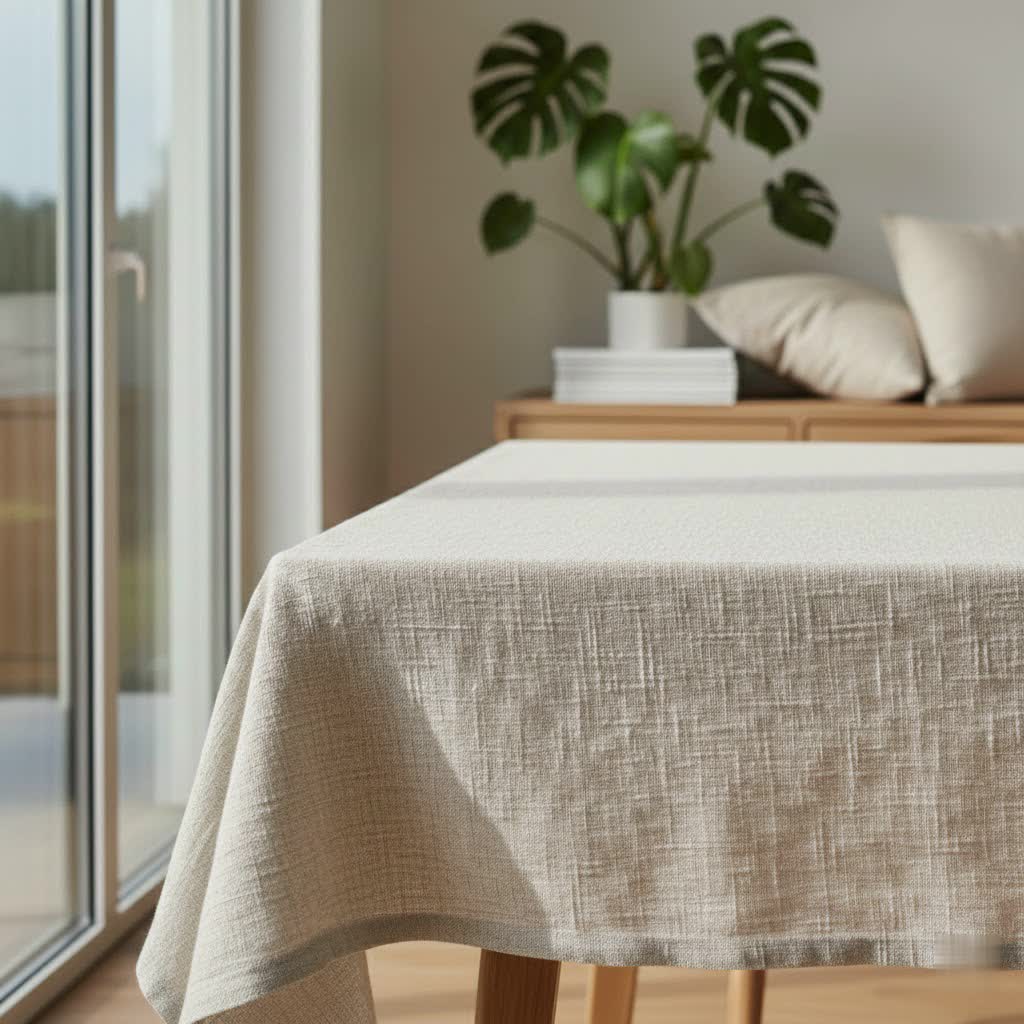
Imagine a vibrant gathering, a festive family meal, or a lively outdoor picnic. What often ties the entire aesthetic together while offering essential protection? A tablecloth. Specifically, a red plastic tablecloth can instantly infuse energy, warmth, and a touch of celebratory spirit into any setting. Far more than just a decorative accent, these versatile table coverings offer a practical solution for busy hosts and everyday households alike, safeguarding surfaces from spills and scratches with effortless style.
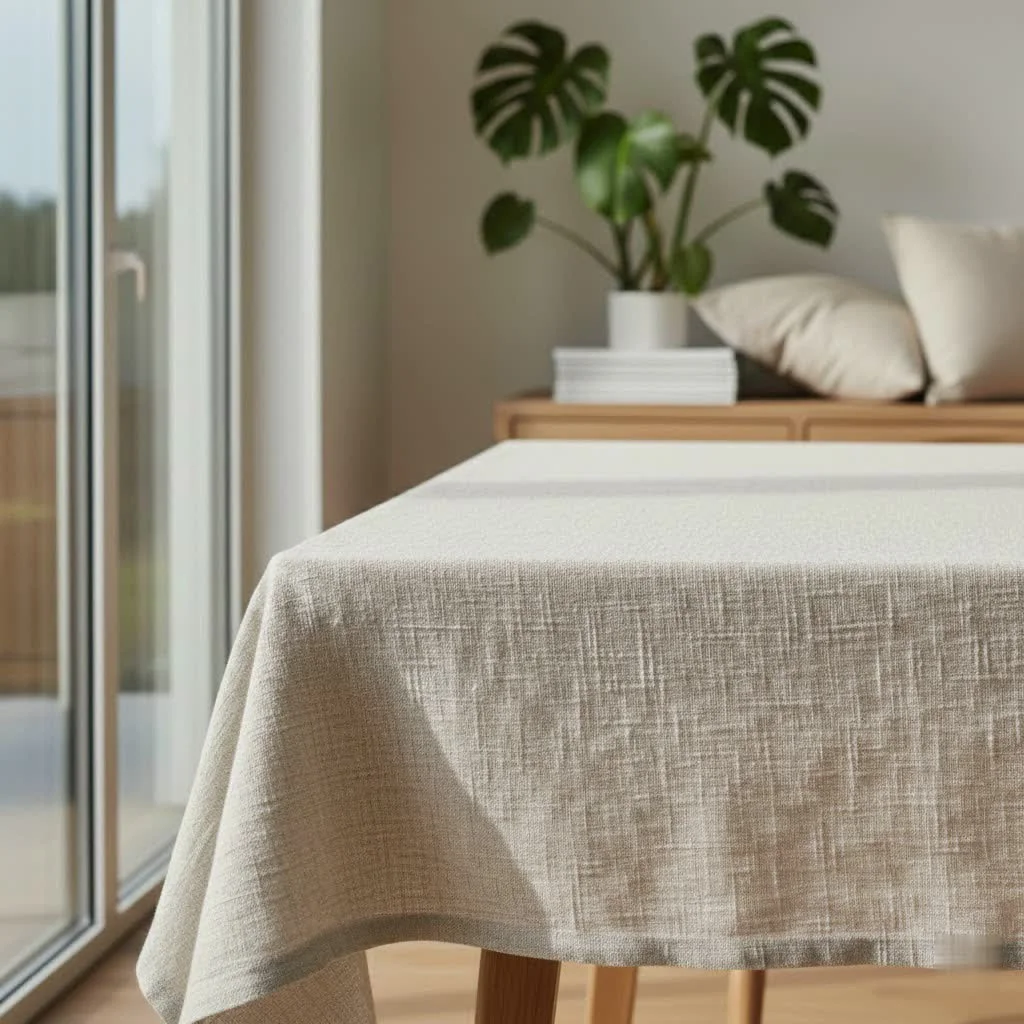
From casual backyard barbecues to themed holiday dinners, red plastic tablecloths stand out as a go-to choice for their convenience, durability, and bold visual appeal. If you’ve ever wondered about the best type for your needs, how to care for it, or how to make a striking statement with this classic color, you’re in the right place. Let’s dive into the fascinating world of red plastic tablecloths and discover how they can transform your dining and entertaining experiences. For compare top tablecloths on this site.
What is a Plastic Tablecloth? Why You Need It?
A plastic tablecloth is a protective and decorative covering for tables, typically made from synthetic polymers designed for durability and ease of maintenance. Unlike traditional fabric tablecloths, plastic versions are inherently waterproof and stain-resistant, making them incredibly practical for a variety of uses. The “red” aspect adds a significant visual punch, often associated with excitement, passion, and festivity, making it a popular choice for events.
You need a plastic tablecloth for several compelling reasons. Firstly, it provides an unbeatable protective barrier, shielding your valuable table surfaces from spills, scratches, and heat rings. This is particularly crucial in homes with children, during large gatherings, or for outdoor dining where accidental messes are common. Secondly, plastic tablecloths offer immense decorative flexibility. With a red hue, you can effortlessly set a specific mood – from a romantic Valentine’s dinner to a spirited Christmas feast or a vibrant birthday party. Lastly, their ease of cleaning and often disposable nature save precious time and effort, eliminating the need for extensive laundry.
Types of Plastic Tablecloths
Plastic tablecloths come in various forms, primarily differing in their material composition, shape, and style. Understanding these distinctions helps in choosing the perfect one for your specific needs.
By Material
The material dictates much of a plastic tablecloth’s performance, feel, and reusability.
- PVC (Polyvinyl Chloride): PVC tablecloths are known for their durability, flexibility, and robust waterproof properties. They often come with a smooth, glossy finish and can feature a wide array of printed patterns and designs. Many PVC tablecloths are backed with flannel or fabric to prevent slipping and add a bit of cushioning, enhancing comfort and protecting the table further.
- Pros: Excellent waterproofing, easy to wipe clean, durable against wear and tear, wide variety of designs.
- Cons: Can have an initial chemical odor that dissipates, sensitive to extreme heat (can melt or warp), environmental concerns due to non-biodegradability.
- Care: Wipe clean with a damp cloth; avoid abrasive cleaners and direct high heat.
- PEVA (Polyethylene Vinyl Acetate): PEVA is a blend of plastic and fabric, offering a slightly softer feel than pure PVC. It’s often considered a more environmentally friendly alternative to PVC as it’s typically chlorine-free. PEVA tablecloths are highly regarded for their strength, waterproof nature, and stain resistance.
- Pros: Lightweight, strong, waterproof, stain-resistant, generally considered safer and more eco-friendly than PVC, easy to clean.
- Cons: May have a slight plastic odor when new, can feel different from traditional fabric, less heat-resistant than some other materials.
- Care: Wipe clean with a damp cloth; avoid ironing.
- Disposable Thin Plastic (Polyethylene/HDPE): These are the most common type for single-use events. They are typically very thin, lightweight sheets of plastic, available in various colors, including bright red. While often intended for one-time use, many can be wiped down and reused for less formal purposes.
- Pros: Extremely affordable, excellent for quick cleanup, available in large rolls for multiple tables, vibrant colors.
- Cons: Prone to tearing, often translucent, can look less elegant, not suitable for high heat, minimal durability.
- Care: Wipe clean; generally disposed of after heavy use.
- Oilcloth: Historically, oilcloth was fabric treated with linseed oil. Today, it commonly refers to cotton fabric coated with a vinyl (PVC) finish. This blend provides the wipe-clean functionality of plastic with a more natural drape and feel, making it more durable than thin plastic and aesthetically pleasing.
- Pros: Combines the aesthetic of fabric with the practicality of plastic, highly durable, drapes well, easy to clean.
- Cons: Can be more expensive than pure plastic, still susceptible to heat damage, may retain creases if folded improperly.
- Care: Wipe clean; can be rolled for storage to prevent creasing.
By Shape
|
Our Picks for the Best Table Cloth in 2026
As an Amazon Associate I earn from qualifying purchases.
|
||
| Num | Product | Action |
|---|---|---|
| 1 | sancua Rectangle Tablecloth - 60 x 84 Inch - Stain and Wrinkle Resistant Washable Polyester Table Cloth, Decorative Fabric Table Cover for Dining Tables, Buffet Parties and Camping, Black |

|
| 2 | Pureegg Plastic Table Cloth 10 Pack, 54 x 108 Inch Disposable Table Cloths for Party, Picnic and Wedding, Rectangle, White |
|
| 3 | sancua Rectangle Tablecloth - 60 x 84 Inch - Stain and Wrinkle Resistant Washable Polyester Table Cloth, Decorative Fabric Table Cover for Dining Tables, Buffet Parties and Camping, Burgundy |
|
| 4 | Pureegg Plastic Table Cloth Disposable 10 Pack, 54 x 108 Inch Table Cloths, Birthday Party Decorations, Picnic, White Tablecloths, Rectangle, Colorful, Rainbow Cover, Leakproof & Sturdy, Balloon |
|
| 5 | Laolitou Rustic Tablecloth Cotton Linen Waterproof Spring Tablecloth Burlap Table Cloths for Kitchen Dining Cloth Table Cloth for Rectangle Tables Coffee Lines Rectangle,55''x70'',4-6 Seats |
|
| 6 | Pureegg Plastic Table Cloth Disposable 10 Pack, 54 x 108 Inch Table Cloths, Halloween Party Decorations, Summerween Decor, Halloween Tablecloths, Rectangle, Plastic Cover, Leakproof & Sturdy, Black |
|
| 7 | sancua Rectangle Tablecloth - 60 x 84 Inch - Stain and Wrinkle Resistant Washable Polyester Table Cloth, Decorative Fabric Table Cover for Dining Tables, Buffet Parties and Camping, Gold |
|
| 8 | sancua Rectangle Tablecloth - 60 x 84 Inch - Stain and Wrinkle Resistant Washable Polyester Table Cloth, Decorative Fabric Table Cover for Dining Tables, Buffet Parties and Camping, Blush |
|
| 9 | sancua Rectangle Tablecloth - 60 x 84 Inch - Stain and Wrinkle Resistant Washable Polyester Table Cloth, Decorative Fabric Table Cover for Dining Tables, Buffet Parties and Camping, Beige |
|
| 10 | sancua Rectangle Tablecloth - 60 x 84 Inch - Stain and Wrinkle Resistant Washable Polyester Table Cloth, Decorative Fabric Table Cover for Dining Tables, Buffet Parties and Camping, Grey |
|
Plastic tablecloths are available in shapes to fit almost any table. The vibrant red color enhances each form, making a statement.
- Round Tablecloths: Ideal for circular tables, providing even coverage and a smooth drape. A red round tablecloth can be a focal point for intimate dining or a large banquet.
- Square Tablecloths: Perfect for square tables or for layering over larger rectangular or round tables to create interesting dimensions and color contrasts.
- Rectangular Tablecloths: The most common shape, suitable for standard dining and banquet tables. Red rectangular tablecloths are frequently used for long buffet lines or family feasts.
- Oval Tablecloths: Designed to fit oval-shaped tables, offering a tailored look that complements the table’s curves.
By Style
The style of a red plastic tablecloth can range from simple and understated to bold and thematic, allowing for immense creative expression.
- Minimalist/Solid Red: A plain, solid red tablecloth offers a powerful, elegant statement, perfect for modern decors or as a base for intricate table settings.
- Gingham/Checked: Red gingham is a timeless, rustic, or country-style pattern that evokes a sense of homey charm and is perfect for picnics, casual brunches, or Americana themes.
- Themed/Patterned: Many red plastic tablecloths feature festive patterns for holidays (e.g., Christmas, Valentine’s Day) or specific party themes, like dots, stripes, or floral motifs.
- Flannel-Backed/Textured: These offer a more substantial feel and better grip on the table, often with subtle textures that mimic fabric, adding a touch of sophistication to a utilitarian item.
Comparison of Plastic Tablecloth Materials
| Material | Pros | Cons | Best For | Price |
|---|---|---|---|---|
| PVC | Highly waterproof, very durable, easy to wipe clean, wide design variety | Initial chemical odor, heat-sensitive, environmental concerns | Repeated use, family dining, indoor/outdoor parties, formal casual settings | Medium |
| PEVA | Lightweight, waterproof, stain-resistant, more eco-friendly, durable | May have slight initial odor, distinct plastic feel, less heat-resistant | Everyday use, kid’s parties, casual outdoor events, eco-conscious buyers | Medium |
| Disposable Thin Plastic | Extremely affordable, quick cleanup, vibrant colors | Prone to tearing, often translucent, not durable, easily melts | Large parties, one-time events, craft projects, budget-friendly | Very Low |
| Oilcloth (PVC-Coated Cotton) | Fabric feel with plastic utility, durable, good drape, easy to clean | More expensive, can crease if folded, heat-sensitive coating | Stylish casual dining, indoor/outdoor with a refined look | Medium-High |
How to Choose the Right Red Plastic Tablecloth
Selecting the perfect red plastic tablecloth involves considering your specific needs, the occasion, and your aesthetic preferences. Here’s a comprehensive guide to help you make an informed decision.
Determine Table Size and Shape
Accurate measurement is the first step.
- For Rectangular/Square Tables: Measure the length and width of your table.
- For Round/Oval Tables: Measure the diameter (across the widest point).
- Add Overhang: For a standard drape, add approximately 6-12 inches (15-30 cm) to each side or end. This means adding 12-24 inches (30-60 cm) to your total length and width/diameter measurements. A red tablecloth with a generous overhang often looks more elegant and provides better table protection.
Select Material Based on Purpose
The intended use will heavily influence your material choice.
- For One-Time Parties or Extremely Messy Events: Opt for disposable thin plastic for its low cost and easy cleanup. A bright red instantly signals fun and festivity.
- For Frequent Use or Everyday Dining: PVC or PEVA are excellent choices due to their durability and wipe-clean surfaces. They offer better protection and can be reused multiple times.
- For a More Refined Look with Easy Care: Oilcloth (PVC-coated cotton) provides the aesthetic appeal of fabric with the practicality of plastic, ideal for stylish casual settings.
- For Outdoor Use: All plastic types work well, but consider flannel-backed PVC or heavier PEVA for better wind resistance and table protection. The red color pops beautifully against natural green settings.
Consider Color and Pattern Harmony
Red is a powerful color, and its integration into your space is key.
- Solid Red: A classic choice that creates a bold, inviting atmosphere. It pairs well with neutral palettes, black, white, gold, or silver for festive occasions. Different shades of red (apple red, burgundy, crimson) offer varied moods.
- Patterns:
- Red Gingham: Evokes a charming, rustic, or picnic-style vibe, perfect for informal gatherings or themed parties.
- Red with Dots or Stripes: Adds a playful or modern touch, great for birthdays or contemporary decors.
- Themed Prints: For specific holidays or celebrations (e.g., hearts for Valentine’s, holly for Christmas).
Ensure the red tablecloth complements your existing décor, dishware, and the overall ambiance you wish to create. A well-chosen red can make your table truly unforgettable.
Evaluate Durability and Ease of Care
- Reusability: If you plan to use the tablecloth multiple times, invest in thicker PVC, PEVA, or oilcloth. These materials withstand repeated wiping and light washing.
- Cleaning: All plastic tablecloths are primarily “wipe-clean.” Look for materials that resist staining from common foods and drinks.
- Maintenance: Consider how easily it stores. Thicker materials like oilcloth can be rolled to prevent creases, while thinner plastics are often folded or disposed of.
Read User Reviews and Recommendations
Before making a purchase, especially online, take time to read reviews from other users. Look for feedback on the material quality, actual color representation, durability, and how well it holds up to spills and cleaning. This provides valuable, real-world insights into the product’s performance.
> “A beautiful red tablecloth doesn’t just protect your table; it sets the stage for memorable moments, transforming a simple meal into an occasion.” – Nguyễn Thị An, Interior Design Expert
Tips for Cleaning and Maintaining Red Plastic Tablecloths
Plastic tablecloths are celebrated for their low maintenance, but proper care ensures their longevity and keeps that vibrant red looking fresh.
General Cleaning
Most plastic tablecloths are a breeze to clean.
- Wipe Immediately: For best results, wipe up spills and food debris as soon as they occur using a damp cloth or sponge.
- Mild Soap: For tougher stains or general cleaning, use a mild dish soap solution. Apply it to the stained area, gently scrub with a soft cloth or sponge, and then wipe clean with a fresh damp cloth.
- Rinse (if applicable): For more substantial pieces or those used outdoors, you can hose them down. Ensure to dry them thoroughly before storage to prevent mildew.
- Avoid Abrasives: Do not use abrasive cleaners, harsh chemicals, or scouring pads, as these can scratch or damage the plastic surface and fade the color.
Removing Stubborn Stains
Even with plastic, some stains can be persistent.
- Grease/Oil: A small amount of dish soap (a degreaser) applied directly to the stain, gently rubbed, and then wiped away, is usually effective.
- Ink/Marker: A dab of rubbing alcohol on a cotton ball can often lift ink stains. Test on an inconspicuous area first.
- Wine/Food Coloring: A paste of baking soda and water can be applied to the stain, left for a few minutes, then gently scrubbed and wiped clean.
Wrinkle Removal and Storage
Plastic tablecloths, especially thinner ones, can develop creases.
- For Light Creases: Lay the tablecloth flat in a warm room for a few hours, or gently warm it with a hairdryer on a low setting from a distance.
- Caution with Ironing: Extremely thin, disposable plastic tablecloths will melt if an iron is applied directly. For thicker PVC or oilcloth types, never iron directly on the plastic side. If absolutely necessary, iron on the fabric backing (if it has one) on the lowest setting with a protective cloth, or use a steamer from a safe distance.
- Storage: To prevent deep creases, roll your plastic tablecloth instead of folding it. Store it in a cool, dry place away from direct sunlight, which can cause the color to fade or the material to become brittle.
Reusing and Repurposing
Beyond their primary use, durable plastic tablecloths can find new life. They make excellent drop cloths for painting or crafting projects, garden covers to protect plants from frost, or protective liners for car trunks when transporting messy items. Some creative individuals even transform them into waterproof totes, picnic blankets, or DIY party decorations like bunting or garlands, extending their lifespan and reducing waste.
Top Features to Look for in a Quality Red Plastic Tablecloth
While specific brands might vary, focusing on key features ensures you get a high-quality red plastic tablecloth that meets your needs.
- Material Thickness and Durability: Look for a good gauge of PVC or PEVA that feels substantial enough for repeated use without being overly rigid. Thicker materials offer better protection and tear resistance.
- Flannel Backing (for PVC/Vinyl): A soft flannel or fabric backing enhances the tablecloth’s grip on the table, reduces sliding, and adds a layer of cushioning, improving the overall feel and protection.
- Vibrant and Fade-Resistant Color: The appeal of a red tablecloth is its rich hue. Ensure the color is consistently applied and explicitly stated to be fade-resistant, especially if used in sunny areas or outdoors.
- Ease of Cleaning: All plastic tablecloths are wipe-clean, but some finishes may be smoother and less prone to trapping dirt or stains.
- Non-Toxic/Eco-Friendly Claims: For health-conscious buyers, look for products that are labeled as phthalate-free, BPA-free, or made from eco-friendlier materials like PEVA, addressing environmental and health concerns.
- Accurate Sizing: Reliable brands will offer precise measurements, ensuring a good fit for your table and a proper drape.
By prioritizing these features, you can select a red plastic tablecloth that is not only visually appealing but also delivers on performance and value.
Conclusion
Red plastic tablecloths offer an unbeatable combination of vibrant style, practical protection, and effortless maintenance, making them an indispensable item for any home or event planner. Whether you’re hosting a grand celebration, a casual family dinner, or simply looking to add a splash of color to your kitchen, the right red plastic tablecloth can transform your space and simplify your life. From the robust durability of PVC to the eco-friendlier appeal of PEVA, and the charming drape of oilcloth, there’s a perfect option to suit every occasion and aesthetic preference.
By understanding the different materials, shapes, and styles available, and by following simple care guidelines, your red plastic tablecloth can serve you well for many gatherings to come, proving that utility and beauty can coexist harmoniously. So, why not embrace the bold statement and practical benefits of a red plastic tablecloth for your next event or daily dining? What kind of vibrant red theme will you create for your table?
Frequently Asked Questions
Which plastic tablecloth material is best for outdoor use?
For outdoor use, PVC or PEVA tablecloths are generally the best choice. They are waterproof, durable, and resistant to spills, making them ideal for picnics, BBQs, and garden parties. Consider options with flannel backing to prevent them from sliding or blowing away in light breezes.
Can I iron a plastic tablecloth to remove wrinkles?
Exercise caution when ironing plastic tablecloths. Thin, disposable plastic tablecloths will likely melt if an iron is applied directly. For thicker PVC or oilcloth tablecloths, never iron on the plastic side. If needed, iron gently on the fabric backing (if present) on the lowest setting, using a protective cloth, or use a handheld steamer from a safe distance.
Are red plastic tablecloths considered safe for food contact?
Most modern plastic tablecloths, especially those made from PEVA, are considered safe for indirect food contact. However, it’s always best to check product specifications for “food-grade” or “BPA-free” labels if food will be placed directly on the surface. Using serving dishes and plates is the safest approach.
How do I prevent a plastic tablecloth from sliding on my table?
To prevent a plastic tablecloth from sliding, opt for one with a flannel or fabric backing, as this provides a better grip. You can also use tablecloth clips, heavy centerpieces, or even a non-slip rug pad cut to size underneath the tablecloth to help keep it securely in place, especially for smooth table surfaces.
Get our weekly buyer guide
Practical specs, not advice. Unsubscribe anytime.
