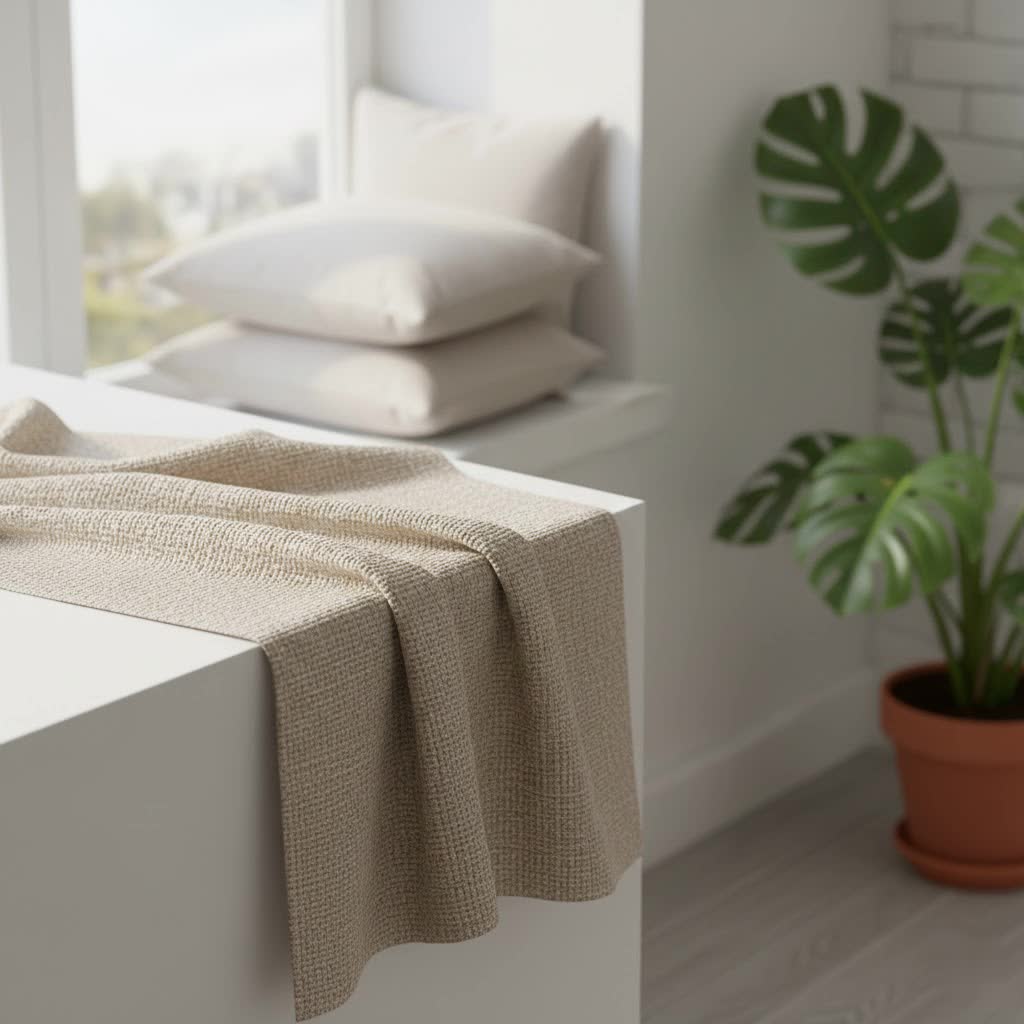
Transforming your dining area into a captivating focal point or a cozy family hub often starts with a single, elegant detail: the tablecloth. For those with circular tables, selecting the perfect round tablecloth can truly enhance your home’s aesthetic, adding warmth, protection, and a touch of personal style. Whether you’re planning a grand dinner party or simply seeking to refresh your everyday dining experience, understanding the nuances of round tablecloths will empower you to make an informed choice that delights both you and your guests.
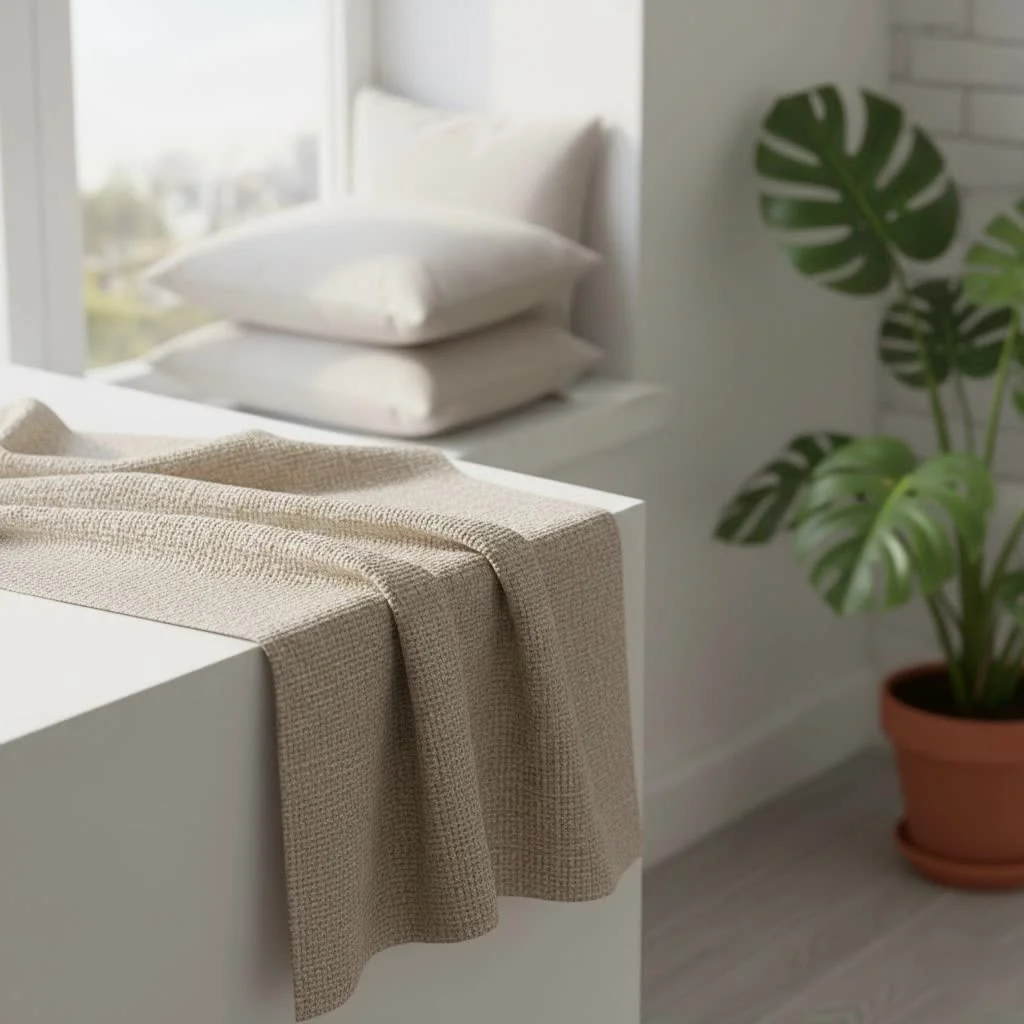
What is a Tablecloth and Why is a Round One Essential?
A tablecloth is more than just a piece of fabric; it’s a foundational element of table setting, designed to protect your table, absorb spills, and instantly elevate the ambiance of any room. Historically, tablecloths have graced dining tables for centuries, evolving from functional coverings to intricate decorative statements. For browse all tablecloths articles on this site.
For round tables, the right tablecloth is particularly important. Round tables inherently foster a sense of intimacy and conviviality, encouraging conversation among all seated. A well-fitted round tablecloth complements this shape, creating a seamless and inviting look. It safeguards your table from scratches, heat, and spills, while also offering an easy way to introduce color, texture, and pattern into your dining space, setting the mood for any occasion, from casual brunches to formal dinners.
Exploring the Diverse World of Round Tablecloth Materials
The material of your round tablecloth dictates its look, feel, durability, and care requirements. Choosing wisely ensures both aesthetic appeal and practical functionality for your specific needs.
Cotton Tablecloths
Cotton remains a timeless favorite for its natural feel, softness, and excellent absorbency. It’s a breathable fabric, making it comfortable for everyday use and warm seasons. Cotton tablecloths are generally easy to wash and come in a vast array of designs and colors, offering versatility for various decor styles. However, cotton can be prone to wrinkling and may shrink if not cared for properly.
Linen Tablecloths
Renowned for its luxurious look and elegant drape, linen adds a sophisticated touch to any table. It’s highly durable, becoming softer and more beautiful with each wash. Linen is also breathable and absorbent, making it a great choice for both casual and more formal settings. The primary drawback of linen is its tendency to wrinkle easily, often requiring careful ironing to maintain its crisp appearance.
Polyester Tablecloths
Polyester is a synthetic fabric celebrated for its durability, resistance to wrinkles, and ease of care. It’s an excellent choice for busy households or outdoor events as it often boasts stain and water-resistant properties, making spills simple to wipe away. Polyester tablecloths hold their color well and are machine washable, requiring minimal ironing. While highly practical, they may not offer the natural feel or breathability of cotton or linen.
Silk Tablecloths
|
Our Picks for the Best Table Cloth in 2026
As an Amazon Associate I earn from qualifying purchases.
|
||
| Num | Product | Action |
|---|---|---|
| 1 | sancua Rectangle Tablecloth - 60 x 84 Inch - Stain and Wrinkle Resistant Washable Polyester Table Cloth, Decorative Fabric Table Cover for Dining Tables, Buffet Parties and Camping, Burgundy |

|
| 2 | sancua Rectangle Tablecloth - 60 x 84 Inch - Stain and Wrinkle Resistant Washable Polyester Table Cloth, Decorative Fabric Table Cover for Dining Tables, Buffet Parties and Camping, Beige |
|
| 3 | sancua Rectangle Tablecloth - 60 x 84 Inch - Stain and Wrinkle Resistant Washable Polyester Table Cloth, Decorative Fabric Table Cover for Dining Tables, Buffet Parties and Camping, Grey |
|
| 4 | sancua Rectangle Tablecloth - 60 x 84 Inch - Stain and Wrinkle Resistant Washable Polyester Table Cloth, Decorative Fabric Table Cover for Dining Tables, Buffet Parties and Camping, Blush |
|
| 5 | sancua Rectangle Tablecloth - 60 x 84 Inch - Stain and Wrinkle Resistant Washable Polyester Table Cloth, Decorative Fabric Table Cover for Dining Tables, Buffet Parties and Camping, Black |
|
| 6 | Pureegg Plastic Table Cloth Disposable 10 Pack, 54 x 108 Inch Table Cloths, Halloween Party Decorations, Summerween Decor, Halloween Tablecloths, Rectangle, Plastic Cover, Leakproof & Sturdy, Black |
|
| 7 | sancua Rectangle Tablecloth - 60 x 84 Inch - Stain and Wrinkle Resistant Washable Polyester Table Cloth, Decorative Fabric Table Cover for Dining Tables, Buffet Parties and Camping, Gold |
|
| 8 | Pureegg Plastic Table Cloth Disposable 10 Pack, 54 x 108 Inch Table Cloths, Birthday Party Decorations, Picnic, White Tablecloths, Rectangle, Colorful, Rainbow Cover, Leakproof & Sturdy, Balloon |
|
| 9 | Laolitou Rustic Tablecloth Cotton Linen Waterproof Spring Tablecloth Burlap Table Cloths for Kitchen Dining Cloth Table Cloth for Rectangle Tables Coffee Lines Rectangle,55''x70'',4-6 Seats |
|
| 10 | Pureegg Plastic Table Cloth 10 Pack, 54 x 108 Inch Disposable Table Cloths for Party, Picnic and Wedding, Rectangle, White |
|
For ultimate luxury and elegance, silk stands out. Its natural sheen, incredible softness, and smooth texture make it ideal for highly formal events and special occasions. Silk tablecloths create a truly opulent atmosphere. However, silk requires special care, typically dry cleaning or very gentle hand washing, and is more delicate and expensive than other materials.
PVC/PEVA Tablecloths
These synthetic options are perfect for settings where practicality and protection are paramount, such as outdoor dining, picnics, or tables used by young children. PVC (polyvinyl chloride) and PEVA (polyethylene vinyl acetate) tablecloths are entirely waterproof and exceptionally easy to clean—simply wipe them down. They offer robust protection against spills and stains and are generally very affordable. The trade-off is often a less natural drape and feel, and they are not as eco-friendly as natural fibers.
Lace and Embroidered Tablecloths
While not a primary material, lace and embroidery offer exquisite styles, often applied to cotton or linen bases. Lace tablecloths exude classic charm and intricate beauty, perfect for creating a delicate, romantic, or vintage setting. Embroidered tablecloths add texture and unique patterns, reflecting cultural aesthetics or specific design themes. Both require careful handling, especially during washing, to preserve their delicate artistry.
Round Tablecloth Materials Comparison Table
| Material | Advantages | Disadvantages | Best Suited For | Price Range |
|---|---|---|---|---|
| Cotton | Soft, breathable, absorbent, easy to wash, wide designs | Wrinkles easily, may shrink, can stain | Everyday use, casual dining, family homes | Medium |
| Linen | Elegant, luxurious drape, durable, softens with age | Wrinkles easily, higher maintenance, can be pricey | Formal dinners, vintage styles, elegant gatherings | High |
| Polyester | Wrinkle-resistant, stain-resistant, durable, easy care, colorfast | Less breathable, synthetic feel, less luxurious | Outdoor dining, events, busy households, children | Low to Medium |
| Silk | Luxurious sheen, incredibly soft, elegant, high-end look | Very delicate, high maintenance (dry clean), expensive | Highly formal events, exquisite decor, special occasions | Very High |
| PVC/PEVA | Waterproof, extremely easy to clean, durable, affordable | Synthetic feel, less aesthetic appeal, not breathable | Outdoor use, children’s parties, casual protection | Low |
| Lace/Embroidered | Exquisite detailing, adds elegance and texture, unique | Delicate, requires gentle care, can snag | Formal events, decorative accents, special occasions | Medium to High |
How to Choose the Perfect Round Tablecloth
Selecting the ideal round tablecloth involves considering several factors to ensure a perfect fit, harmonious aesthetic, and practical functionality.
1. Determine Your Table Size and Desired Drop
The first and most critical step is accurate measurement. Use a measuring tape to find the exact diameter of your round table, measuring straight across the center from one edge to the opposite.
Next, decide on your desired “drop” length—the amount of fabric that hangs over the edge of the table. Different drops suit different occasions:
- Casual Drop (8-12 inches): Ideal for everyday dining or informal gatherings, offering easy movement for guests.
- Dinner Length Drop (15-24 inches): A classic and elegant choice for more formal meals, providing significant coverage without touching the floor.
- Floor-Length Drop (28-30+ inches, depending on table height): Creates a dramatic, formal look perfect for weddings, banquets, or special events where you want to hide table legs.
To calculate your ideal tablecloth diameter, use this simple formula:
Tablecloth Diameter = Table Diameter + (Desired Drop Length x 2)
For example, if your round table has a 40-inch diameter and you want a 10-inch drop, you’ll need a tablecloth with a 60-inch diameter (40 + (10 x 2) = 60). Many retailers offer standard sizes like 70, 90, 108, or 120 inches in diameter.
2. Select the Right Material for Your Purpose
As explored above, each material offers distinct benefits. Consider:
- Frequency of use: Everyday use calls for durable, easy-care fabrics like cotton or polyester.
- Formality of occasion: Linen or silk for elegant, formal events; cotton or polyester for casual.
- Environment: Waterproof PVC/PEVA for outdoor settings or messy activities.
3. Choose Colors and Patterns That Harmonize with Your Decor
The color and pattern of your tablecloth can significantly impact the room’s atmosphere.
- Color Palette: Neutral colors (whites, creams, grays) are versatile and blend seamlessly with most decor styles, allowing your dinnerware and centerpieces to stand out. Bold colors can energize a room, while cooler tones create a calming effect.
- Patterns: Subtle patterns add visual interest without overwhelming. Bold patterns can make a strong statement, while busy designs are excellent at camouflaging minor spills and stains, making them practical for lively gatherings.
- Seasonal Trends: Embrace seasonal changes! Rich, warm colors and intricate designs work well for fall and winter, while light, airy designs and fresh patterns are perfect for spring and summer.
4. Consider Durability and Ease of Maintenance
Always check the care instructions for your chosen tablecloth material. For high-traffic tables or families with children, machine-washable and stain-resistant options will save you time and effort. If you adore the look of linen or silk, be prepared for their specific (and often more intensive) care routines.
5. Account for the Occasion
Think about the specific events you’ll be hosting. Casual gatherings benefit from practical, easy-to-clean fabrics. Formal events demand the elegance of linen, silk, or delicately embroidered cloths. For outdoor settings, weatherproof and stain-resistant materials are indispensable. Event-specific themes can also guide your choice, with graphic patterns suiting modern celebrations and classic whites remaining timeless for formal affairs.
Tips for Cleaning and Maintaining Your Round Tablecloth
Proper care is key to extending the life and preserving the beauty of your round tablecloths. Always consult the care label provided by the manufacturer, as specific instructions can vary.
General Washing Guidelines
- Pre-treat Stains: Tackle any spills or stains immediately by pre-treating them. This prevents them from setting and makes removal much easier.
- Separate by Color: Always wash tablecloths by color to prevent dye transfer, especially with new or brightly colored items.
- Use Mild Detergent: Opt for a gentle, mild detergent to protect fabric fibers and colors.
- Gentle Cycle and Temperature: For most fabrics like cotton, linen, and polyester, a gentle machine wash cycle with cold or lukewarm water is recommended. Avoid high temperatures, which can cause shrinking or damage to delicate materials. Silk usually requires hand washing or dry cleaning.
- Avoid Overloading: Do not overload your washing machine, as this can prevent thorough cleaning and lead to excessive wrinkling.
Drying and Ironing
- Air Dry When Possible: Air drying is the gentlest method and helps prevent shrinking and excessive wrinkles, especially for linen and cotton.
- Low Heat Tumble Dry: If using a dryer, opt for a low heat setting and remove the tablecloth while it is still slightly damp. This makes ironing easier and reduces static.
- Ironing: Ironing on a suitable temperature setting for the fabric can remove wrinkles and give your tablecloth a crisp, polished look. Iron linen while slightly damp for the best results. Silk should be ironed on a low setting on the reverse side.
Storage Tips
- Fold Neatly: To minimize creases, fold your tablecloths neatly. For very large or delicate cloths, consider rolling them around a cardboard tube.
- Cool, Dry Place: Store tablecloths in a cool, dry place away from direct sunlight and humidity. This prevents discoloration, mold, and mildew.
- Breathable Storage: Avoid storing tablecloths in plastic bags for extended periods, as this can trap moisture and cause yellowing. Opt for breathable cotton bags or simply store them on shelves.
Conclusion
Choosing the perfect round tablecloth is an art that blends practicality with personal expression. By carefully considering your table’s dimensions, the desired drop, the ideal material for your lifestyle, and a design that complements your decor, you can transform your dining area into a space that reflects your unique taste and serves your every need. Remember, a well-chosen and well-maintained round tablecloth not only protects your precious furniture but also sets the stage for countless memorable meals and cherished gatherings. So go ahead, explore the possibilities, and find the round tablecloth that truly completes your home.
What kind of ambiance do you dream of creating for your next dining experience?
Frequently Asked Questions
Which material should I choose for an everyday round tablecloth?
For daily use, cotton and polyester are excellent choices. Cotton offers a natural feel and breathability, while polyester is highly durable, wrinkle-resistant, and easy to clean, making both practical options for busy households.
How can I wash a linen tablecloth without it wrinkling excessively?
To minimize wrinkles when washing a linen tablecloth, use a gentle cycle with cold water and a mild detergent. Air dry or tumble dry on a low setting, removing it while slightly damp. Ironing linen while it’s still damp will yield the smoothest results, or embrace its natural, relaxed texture for a charming look.
Get our weekly buyer guide
Practical specs, not advice. Unsubscribe anytime.
