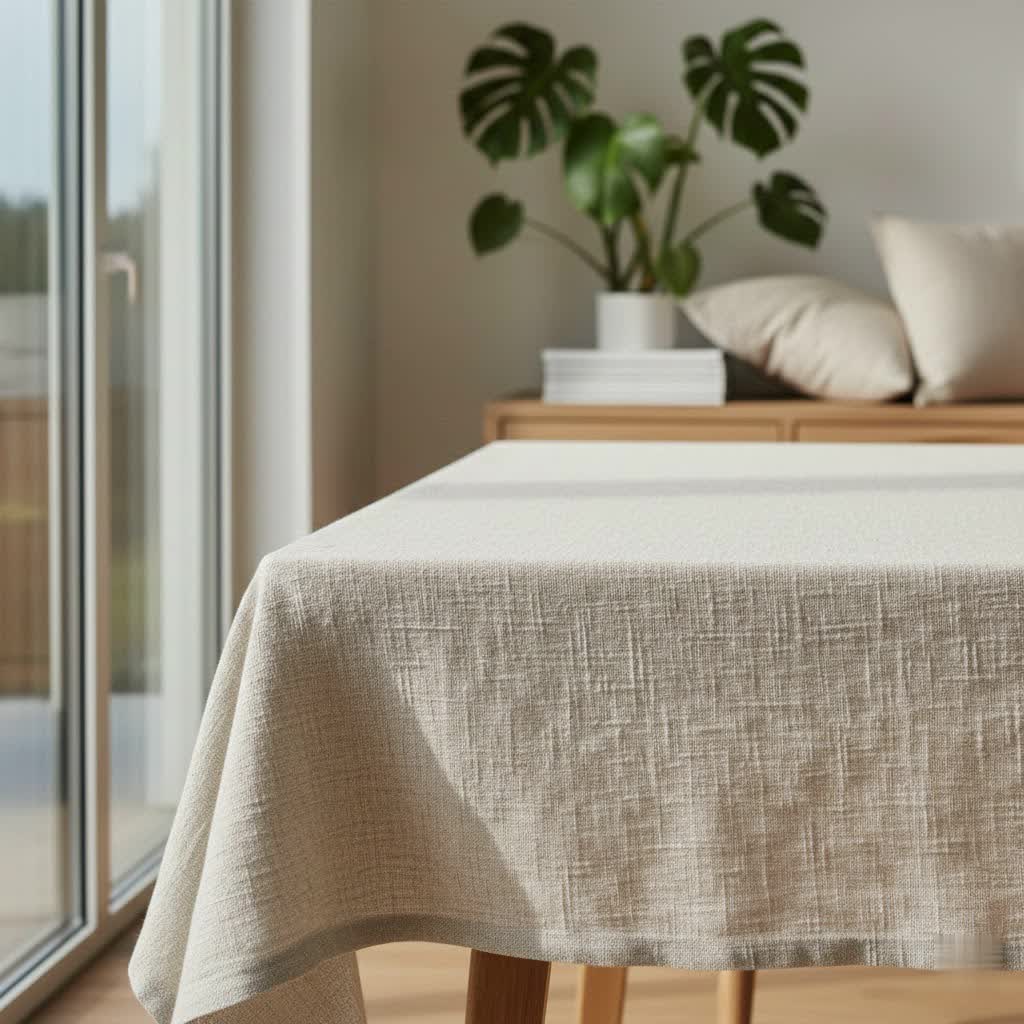
Stepping into a home, the dining table often serves as its heart, a gathering place for meals, conversation, and cherished memories. And what better way to enhance its warmth and character than with a plaid tablecloth? Far more than just a protective layer, a plaid tablecloth instantly infuses a space with a sense of cozy tradition, inviting charm, and undeniable style. From rustic farmhouses to modern minimalist apartments, this iconic pattern has a unique ability to adapt, transform, and elevate any setting. If you’ve ever wondered how to choose, style, or care for the perfect plaid addition to your home, you’ve come to the right place. This comprehensive guide will navigate the rich history, diverse patterns, material options, and practical tips to help you embrace the enduring appeal of the plaid tablecloth.
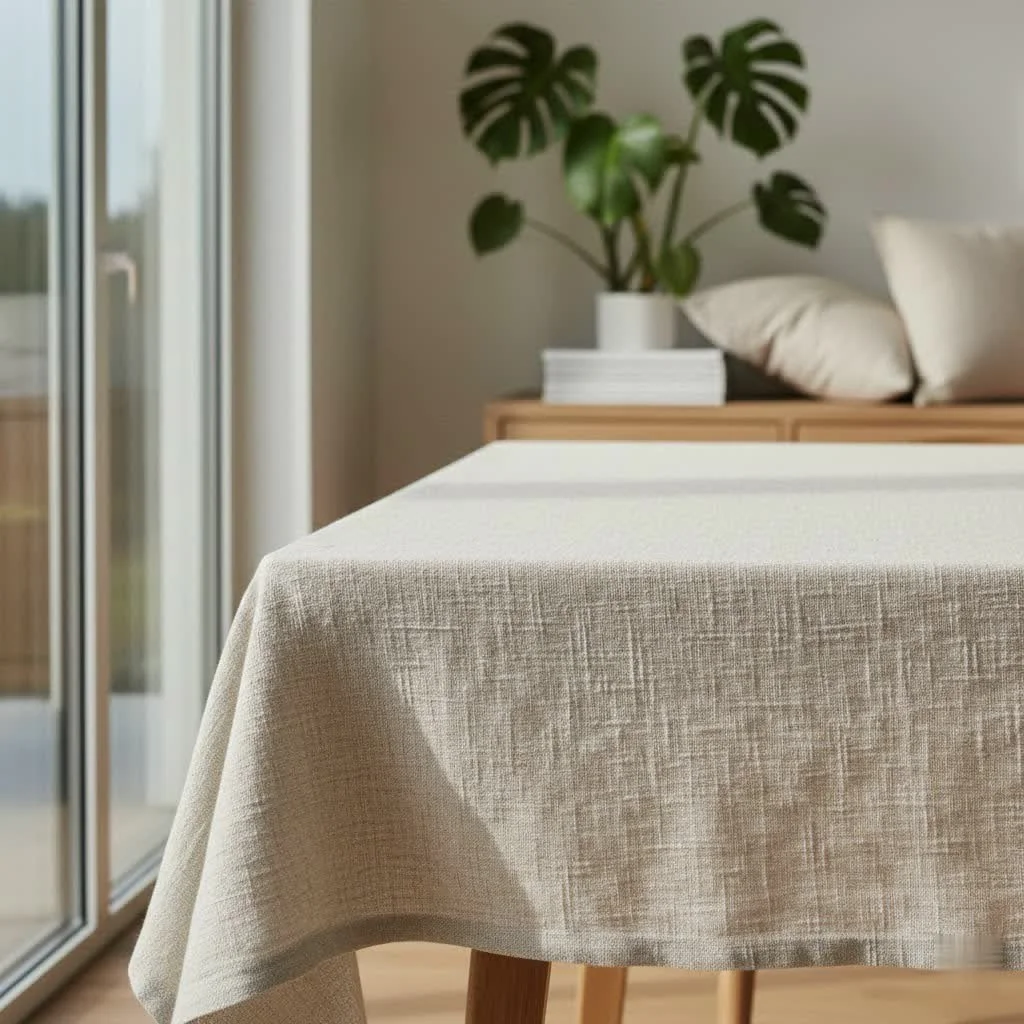
What is a Plaid Tablecloth? Why Choose This Classic?
A plaid tablecloth is a piece of fabric designed to cover a table, distinguished by its distinctive pattern of crisscrossing horizontal and vertical bands in multiple colors. Plaid, a pattern deeply rooted in history, particularly Scottish tartan, has evolved into countless variations, each carrying its own unique aesthetic. Choosing a plaid tablecloth isn’t just about covering your table; it’s about making a style statement that combines classic appeal with versatile charm. For tablecloths buying guides on this site.
The benefits of incorporating a plaid tablecloth into your home are manifold. Firstly, it offers practical protection for your table against spills, scratches, and heat, prolonging its lifespan. Beyond utility, plaid tablecloths are powerful decorative elements. They can instantly define a room’s theme, whether you’re aiming for a cozy country kitchen, a sophisticated holiday dining room, or a playful outdoor picnic setup. Their patterns and colors create visual interest, adding depth and texture to your decor. Moreover, a well-chosen plaid tablecloth can set a particular mood, transforming an ordinary meal into a special occasion and fostering a warm, inviting atmosphere for family and guests.
Exploring the World of Plaid Tablecloths: Materials and Patterns
The beauty of plaid tablecloths lies not only in their iconic patterns but also in the diverse materials and styles available, each offering distinct characteristics and aesthetic appeal.
By Material
The material chosen for your plaid tablecloth significantly impacts its look, feel, durability, and care requirements.
- Cotton: Advantages: Soft, breathable, highly absorbent, and easy to dye, leading to vibrant plaid patterns. It’s a natural fiber that feels pleasant to the touch and drapes beautifully. Disadvantages: Prone to wrinkling, can shrink if not washed properly, and stains can be absorbed quickly if not treated promptly. Care: Machine washable, often requires ironing.
- Linen: Advantages: Known for its luxurious feel, exceptional durability, and natural elegance. Linen tablecloths are highly absorbent and become softer with each wash. Disadvantages: More expensive, notoriously prone to wrinkling, and can be harder to iron smooth. Care: Machine wash on gentle cycle, best air-dried, and usually requires ironing for a crisp look.
- Polyester: Advantages: Highly durable, wrinkle-resistant, stain-resistant, and quick-drying, making it an excellent choice for busy households or outdoor use. It holds its color well and is generally more affordable. Disadvantages: Can sometimes have a less natural feel than cotton or linen, and may not be as breathable. Care: Easy to clean, machine washable, often requires minimal or no ironing.
- Flannel: Advantages: A brushed cotton fabric known for its exceptional softness and warmth. Flannel plaid tablecloths are perfect for creating a cozy, inviting atmosphere, especially during colder months. Disadvantages: Can be heavier, may pill over time, and might not be suitable for formal settings. Care: Machine washable, usually requires low heat drying to prevent shrinking.
- PVC/PEVA: Advantages: These vinyl or plastic-based materials offer superior waterproof and wipe-clean properties, making them ideal for tables with young children, outdoor dining, or craft projects. They are very inexpensive. Disadvantages: Lack the softness and drape of fabric, can look less elegant, and are less eco-friendly. Care: Simply wipe clean with a damp cloth.
By Plaid Pattern
|
Our Picks for the Best Table Cloth in 2026
As an Amazon Associate I earn from qualifying purchases.
|
||
| Num | Product | Action |
|---|---|---|
| 1 | Laolitou Rustic Tablecloth Cotton Linen Waterproof Spring Tablecloth Burlap Table Cloths for Kitchen Dining Cloth Table Cloth for Rectangle Tables Coffee Lines Rectangle,55''x70'',4-6 Seats |

|
| 2 | sancua Rectangle Tablecloth - 60 x 84 Inch - Stain and Wrinkle Resistant Washable Polyester Table Cloth, Decorative Fabric Table Cover for Dining Tables, Buffet Parties and Camping, Burgundy |
|
| 3 | sancua Rectangle Tablecloth - 60 x 84 Inch - Stain and Wrinkle Resistant Washable Polyester Table Cloth, Decorative Fabric Table Cover for Dining Tables, Buffet Parties and Camping, Black |
|
| 4 | Pureegg Plastic Table Cloth Disposable 10 Pack, 54 x 108 Inch Table Cloths, Halloween Party Decorations, Summerween Decor, Halloween Tablecloths, Rectangle, Plastic Cover, Leakproof & Sturdy, Black |
|
| 5 | sancua Rectangle Tablecloth - 60 x 84 Inch - Stain and Wrinkle Resistant Washable Polyester Table Cloth, Decorative Fabric Table Cover for Dining Tables, Buffet Parties and Camping, Beige |
|
| 6 | sancua Rectangle Tablecloth - 60 x 84 Inch - Stain and Wrinkle Resistant Washable Polyester Table Cloth, Decorative Fabric Table Cover for Dining Tables, Buffet Parties and Camping, Grey |
|
| 7 | Pureegg Plastic Table Cloth Disposable 10 Pack, 54 x 108 Inch Table Cloths, Birthday Party Decorations, Picnic, White Tablecloths, Rectangle, Colorful, Rainbow Cover, Leakproof & Sturdy, Balloon |
|
| 8 | sancua Rectangle Tablecloth - 60 x 84 Inch - Stain and Wrinkle Resistant Washable Polyester Table Cloth, Decorative Fabric Table Cover for Dining Tables, Buffet Parties and Camping, Blush |
|
| 9 | sancua Rectangle Tablecloth - 60 x 84 Inch - Stain and Wrinkle Resistant Washable Polyester Table Cloth, Decorative Fabric Table Cover for Dining Tables, Buffet Parties and Camping, Gold |
|
| 10 | Pureegg Plastic Table Cloth 10 Pack, 54 x 108 Inch Disposable Table Cloths for Party, Picnic and Wedding, Rectangle, White |
|
The term “plaid” encompasses a vast array of checkered designs, each with its own character.
- Gingham: Characterized by its simple, even-sized checks formed by colored and white yarns. Gingham plaid tablecloths evoke a charming, rustic, or picnic-style feel, often seen in classic red and white or blue and white.
- Buffalo Check: A bolder, larger version of gingham, typically featuring two colors, often black and red or black and white. Buffalo check plaid tablecloths are synonymous with farmhouse, cabin, and cozy winter decor, making a strong visual statement.
- Tartan: The most complex and traditional form of plaid, featuring specific patterns of interlacing stripes that represent different Scottish clans or regions. Tartan plaid tablecloths are rich in history and color, lending a sophisticated and often festive air to any table.
- Houndstooth: A distinctive duotone textile pattern characterized by broken checks or abstract four-pointed shapes, often in black and white. Houndstooth plaid tablecloths convey a classic, somewhat formal, and elegant aesthetic, perfect for a refined dining experience.
- Windowpane: Features thin, intersecting lines that create large, open squares, resembling window panes. This pattern offers a more minimalist and modern take on plaid, providing subtle texture and structure without being overwhelming.
By Shape
Plaid tablecloths come in various shapes to fit almost any table.
- Round: Ideal for circular tables, providing an even overhang around all sides.
- Square: Perfect for square tables, ensuring symmetrical draping. Can also be used diagonally on a larger square or round table for a unique look.
- Rectangular: The most common shape, designed for rectangular dining tables, offering classic coverage.
- Oval: Tailored for oval tables, providing a smooth, flowing drape that complements the table’s curves.
By Style
Plaid tablecloths are incredibly versatile and can adapt to various interior design themes.
- Farmhouse Style: Buffalo check and classic gingham in muted or traditional colors like red, black, or blue, perfectly complement a rustic, cozy farmhouse aesthetic, paired with natural wood and vintage elements.
- Modern Style: Subtle windowpane plaids or minimalist tartan patterns in neutral tones like grey, black, or deep blues can add a sophisticated touch to contemporary spaces, balancing clean lines with inviting texture.
- Rustic Style: Earthy tones and larger, irregular plaids, perhaps in flannel, align well with rustic decor, emphasizing natural textures and a rugged, comfortable feel.
- Holiday Style: Vibrant tartan patterns in red, green, and gold are quintessential for festive holiday gatherings, instantly evoking a celebratory and traditional spirit.
Plaid Tablecloths at a Glance: Material Comparison
Understanding the characteristics of different materials is key to choosing the right plaid tablecloth for your needs.
| Material | Advantages | Disadvantages | Best For | Price Range |
|---|---|---|---|---|
| Cotton | Soft, breathable, good absorbency, vibrant colors, natural feel | Prone to wrinkles, can stain easily, may shrink | Everyday use, casual dining, inviting atmosphere | Mid-Range |
| Polyester | Durable, wrinkle-resistant, stain-resistant, quick-drying, colorfast | Less breathable, can feel less natural | Busy households, outdoor use, easy maintenance, kids’ tables | Low-Mid |
| Flannel | Exceptionally soft, warm, cozy, excellent for fall/winter decor | Can be heavy, prone to pilling, not for formal settings | Casual, cozy gatherings, colder seasons, rustic themes | Low-Mid |
| Linen Blend | Elegant drape, durable, natural texture, softer with age, luxurious feel | More expensive, wrinkles easily, often requires ironing | Formal dining, special occasions, sophisticated decor | Mid-High |
| PVC/PEVA | Waterproof, extremely easy to clean (wipeable), very affordable | Lacks fabric drape/feel, less aesthetic, not eco-friendly | Outdoor picnics, children’s parties, craft tables, very practical | Very Low |
Selecting Your Perfect Plaid Tablecloth: A Buyer’s Guide
Choosing the ideal plaid tablecloth involves several considerations to ensure it perfectly complements your table, your home’s style, and your lifestyle.
Determine Table Size
The first and most crucial step is to accurately measure your table. Measure the length and width (or diameter for round tables). For a pleasing drape, most experts recommend an overhang (“drop”) of 6 to 12 inches on all sides. For a more formal look, you might opt for a longer drop, up to the floor. Therefore, add 12 to 24 inches to both your table’s length and width (or diameter) to determine the ideal tablecloth size. For example, a 60-inch rectangular table needing a 10-inch drop on each side would require an 80-inch long tablecloth.
Match Material to Purpose
Consider how the tablecloth will be used. For daily family meals, especially with children, a durable, easy-to-clean material like polyester or a cotton blend is practical. If spills are a major concern, a PVC/PEVA option might be best. For formal dinner parties or special occasions, a linen blend or high-quality cotton plaid offers an elegant and sophisticated touch. Flannel plaid is perfect for creating a warm, cozy ambiance during cooler months or for a rustic-themed gathering.
Choose Pattern & Color for Your Space
The beauty of plaid lies in its versatility. Select a pattern and color scheme that harmonizes with your existing decor. For a modern minimalist home, a subtle windowpane plaid in neutral grays or blues can add visual interest without overwhelming the space. A classic red and black buffalo check is iconic for farmhouse or rustic settings. For holiday gatherings, vibrant tartans with reds, greens, and gold are timeless. Consider the dominant colors in your dining room or kitchen – the tablecloth should either complement them or provide a deliberate, contrasting focal point.
Consider Durability & Ease of Care
A tablecloth is an investment, so assess its durability and how easily it can be maintained. If you prefer low-maintenance, opt for wrinkle-resistant and stain-resistant materials. Always check the care instructions on the label before purchasing, especially if you have specific washing preferences or concerns about fabric shrinkage. High-quality materials, even if they require a bit more care, often last longer and maintain their appearance better.
Read User Reviews
Before making a final decision, take the time to read reviews from other buyers. Online reviews can offer valuable insights into the actual quality of the fabric, the accuracy of sizing, how well the colors hold up after washing, and overall satisfaction with the product. Look for consistent feedback regarding durability, ease of cleaning, and how the tablecloth drapes on various tables.
Caring for Your Plaid Tablecloth: Tips for Longevity
Proper care and maintenance are crucial to preserve the beauty and extend the life of your plaid tablecloth, ensuring it remains a cherished part of your home decor for years to come.
General Washing and Ironing Guidelines
Always consult the care label first, as instructions can vary by material and blend. As a general rule:
- Machine Wash: Most cotton, polyester, and flannel plaid tablecloths can be machine washed in cold or warm water on a gentle cycle. Use a mild detergent.
- Hand Wash: Delicate linen blends or tablecloths with special embellishments might benefit from hand washing to prevent damage.
- Drying: Tumble dry on low heat or air dry to prevent shrinking and minimize wrinkles. Remove promptly from the dryer.
- Ironing: Cotton and linen often require ironing on a medium-high setting while still slightly damp to remove wrinkles. Polyester typically needs a very low heat setting, if at all, to avoid melting the fibers. Flannel usually looks fine without ironing, or on a very low setting if desired.
Stain Removal Techniques
Prompt action is key when dealing with spills on your plaid tablecloth.
- Oil/Grease Stains: Blot excess oil, then apply a small amount of liquid dish soap directly to the stain. Gently rub, let sit for 15-30 minutes, then wash as usual.
- Red Wine Stains: Blot excess wine with a clean cloth. Sprinkle salt generously over the fresh stain to absorb the liquid, let it sit for a few minutes, then rinse with cold water before washing. A paste of baking soda and water can also be effective.
- Coffee/Tea Stains: Rinse immediately with cold water. For stubborn stains, pre-soak in an enzyme-based stain remover before washing.
- General Stains: For most other stains, a pre-treatment spray or soaking the tablecloth in a solution of oxygen-based bleach (for whites) or color-safe bleach (for colors) before washing can be highly effective.
Storage Tips
When not in use, proper storage prevents damage and keeps your tablecloth fresh.
- Ensure the tablecloth is completely clean and dry before storing to prevent mildew and odors.
- Fold neatly to minimize creases, or roll it around a cardboard tube to avoid sharp folds altogether, especially for delicate fabrics or tablecloths used for special occasions.
- Store in a cool, dry place away from direct sunlight, which can fade colors. A breathable fabric storage bag or a clean pillowcase can protect it from dust.
Popular Plaid Tablecloth Brands to Consider
While specific brand availability can vary, several manufacturers are well-regarded for producing quality home textiles, including plaid tablecloths. When seeking a new plaid tablecloth, look for brands known for their commitment to durable fabrics, vibrant designs, and good craftsmanship. Companies specializing in farmhouse decor or classic home linens often feature extensive collections of plaid patterns, from traditional tartans to charming gingham and bold buffalo checks. Brands focusing on everyday practicality will offer a wide selection of polyester or easy-care cotton blends, while those catering to a more luxurious market will provide linen blends and finely woven cottons. Always prioritize brands with positive customer reviews and clear product descriptions regarding material composition and care instructions.
“A well-chosen plaid tablecloth can tell a story, evoke a season, or simply make a mundane meal feel like a cherished family gathering. It’s more than just fabric; it’s an experience.”
Conclusion
The plaid tablecloth is a truly timeless element in home decor, offering a unique blend of practicality, aesthetic appeal, and emotional resonance. From the cozy warmth of flannel buffalo check to the refined elegance of a subtle windowpane tartan, there’s a plaid pattern and material to suit every taste, occasion, and interior style. By understanding the different types, carefully considering size and purpose, and following simple care guidelines, you can ensure your plaid tablecloth remains a beloved centerpiece in your home for years to come. So why not embrace the classic charm and versatile beauty that a plaid tablecloth can bring to your dining space? Which plaid pattern will you choose to transform your next meal into a memorable occasion?
Frequently Asked Questions
What is the best plaid tablecloth material for everyday use?
For everyday use, a polyester or a durable cotton blend plaid tablecloth is often the best choice. Polyester offers excellent resistance to wrinkles and stains, making it easy to clean and maintain, while cotton blends provide a comfortable feel with improved durability and easier care than pure cotton.
How do I choose the correct size for my plaid tablecloth?
To choose the correct size, measure the length and width (or diameter) of your table. Then, add your desired overhang (typically 6-12 inches per side) to these measurements. For example, for a rectangular table, add 12 to 24 inches to both the length and width of the table.
Get our weekly buyer guide
Practical specs, not advice. Unsubscribe anytime.
