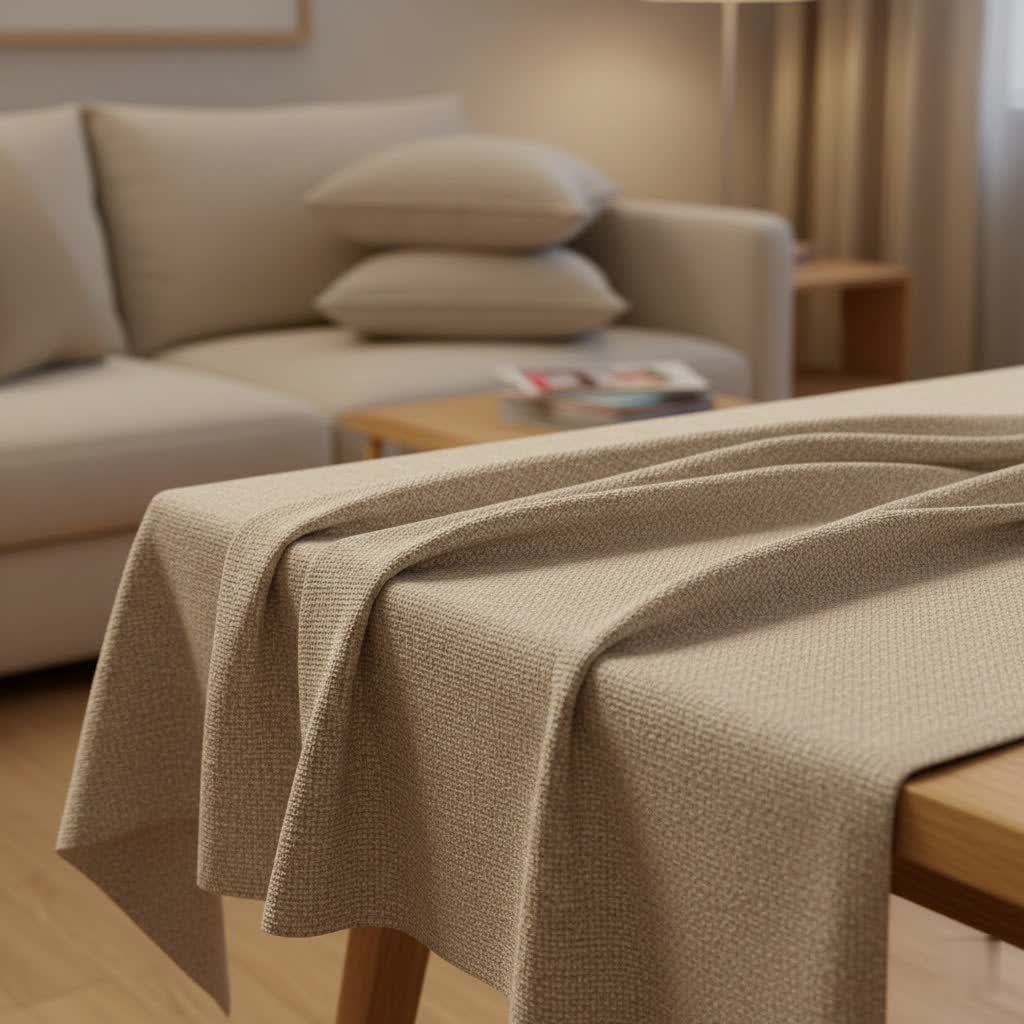
In a world that constantly juggles convenience with aesthetics, the humble paper table cloth has emerged as a versatile hero, transforming ordinary gatherings into memorable events with minimal fuss. Have you ever wished for an elegant table setting without the daunting cleanup that follows? From lively family dinners to sophisticated outdoor soirées, paper tablecloths offer a practical yet stylish solution, blending functionality with decorative flair. This comprehensive guide will navigate you through the diverse world of paper tablecloths, helping you discover how they can elevate your space and simplify your life.
What is a Paper Table Cloth? Why Do You Need It?
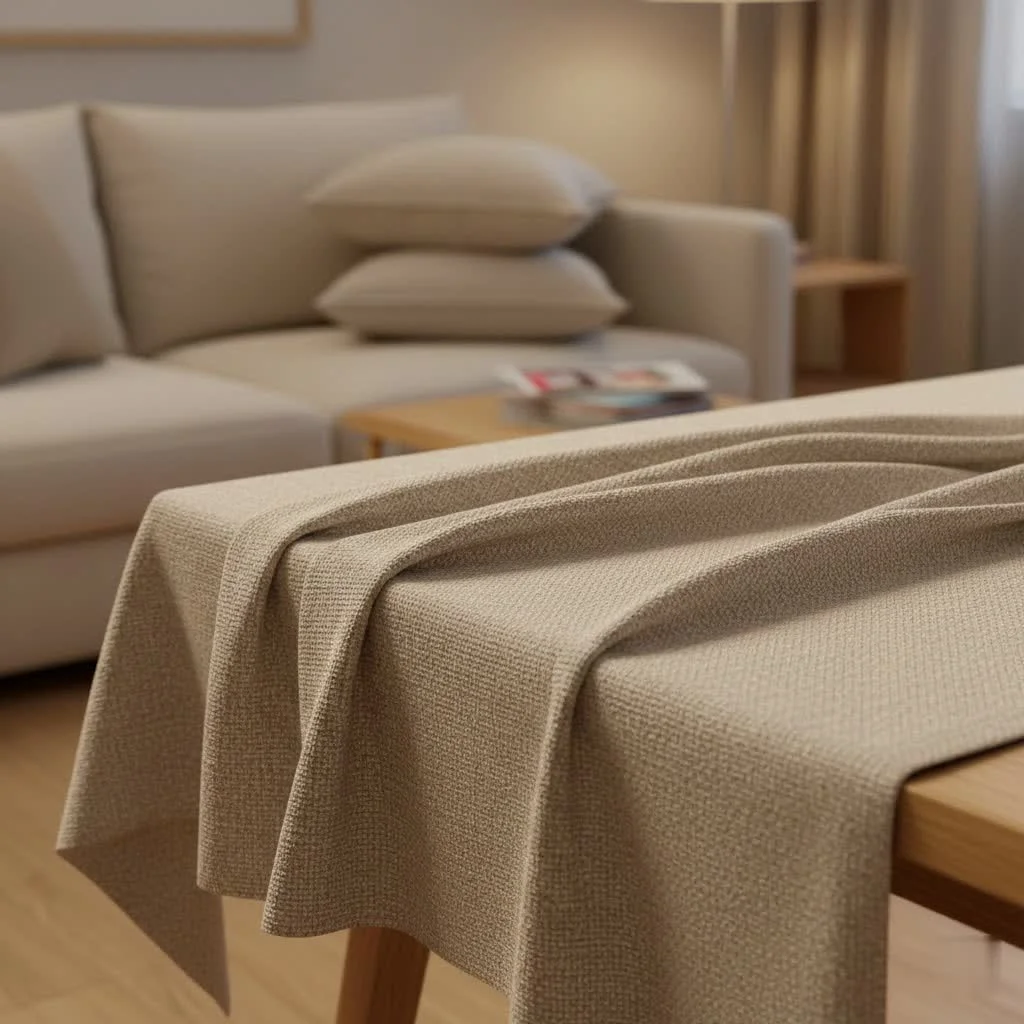
A paper table cloth is essentially a disposable covering designed to protect and decorate a table. While traditionally associated with basic, single-use convenience, modern advancements have transformed them into sophisticated options that mimic the look and feel of linen. The concept of using disposable covers dates back to a desire for hygiene and ease in dining, evolving significantly from simple sheets to a variety of styles and materials available today.
The benefits of incorporating paper tablecloths into your home or event planning are manifold. Firstly, they offer unparalleled table protection, shielding your surfaces from spills, scratches, and stains, preserving your furniture’s longevity. Secondly, their primary appeal lies in their hygiene and ease of cleanup. After an event, simply gather the corners and dispose of the entire mess, eliminating the need for laundry and saving valuable time and effort. Beyond practicality, paper tablecloths are fantastic for decoration, instantly setting a mood or theme. With an array of colors, patterns, and textures, they can transform a drab table into a vibrant focal point, creating an inviting and warm atmosphere for guests. Whether it’s a casual backyard barbecue or a formal dinner party, the right paper tablecloth can significantly enhance the dining experience.
Popular Types of Paper Table Cloths
The world of paper tablecloths is surprisingly diverse, offering options tailored to every need and aesthetic. Understanding the different types available, categorized by material, shape, and style, can help you make an informed choice.
By Material:
The material dictates the look, feel, and performance of a paper tablecloth.
- Standard Paper (Kraft, Recycled Paper): These are the most basic and often the most affordable options. They are typically made from recycled paper or kraft paper, offering a rustic or casual aesthetic.
- Pros: Highly cost-effective, easily disposable, often biodegradable, good for quick, informal use.
- Cons: Prone to tearing, less absorbent than fabric, can look less refined, may not be waterproof.
- Care: Single-use and dispose.
- Fabric-like Paper (e.g., Dunicel, Evolin): Advancements in paper technology have led to materials that mimic the drape and texture of real fabric. These products are often made from cellulose-based materials that are compressed and processed to achieve a soft, cloth-like feel.
- Pros: Elegant appearance, soft touch, often more absorbent and durable than standard paper, still disposable, offers a premium feel without the laundry.
- Cons: Higher cost than standard paper, still disposable (environmental consideration), may not be fully waterproof.
- Care: Intended for single use, but some sturdy varieties might withstand light wiping for very short reuse if undamaged.
- Coated Paper (PE/PEVA Lined): These tablecloths feature a paper base with a thin coating of polyethylene (PE) or PEVA (polyethylene vinyl acetate) on one side. This lamination provides excellent liquid resistance.
- Pros: Excellent waterproof protection, easy to wipe clean, more durable than uncoated paper, ideal for messy eaters or outdoor use.
- Cons: Less eco-friendly if not specified as recyclable or compostable, can have a slightly plasticky feel or sheen, heavier than pure paper.
- Care: Wipe clean with a damp cloth; typically disposed of after one or a few uses.
- Non-Woven Fabric (often misinterpreted as paper): While not strictly paper, some disposable tablecloths are made from non-woven synthetic fabrics (like polypropylene). These offer excellent durability and a fabric-like appearance.
- Pros: Very durable, tear-resistant, often waterproof, reusable for multiple events if carefully cleaned, sophisticated look.
- Cons: Not biodegradable, higher cost, still disposable in the long run.
- Care: Can be wiped clean and potentially reused if not heavily soiled.
By Shape:
|
Our Picks for the Best Table Cloth in 2026
As an Amazon Associate I earn from qualifying purchases.
|
||
| Num | Product | Action |
|---|---|---|
| 1 | Laolitou Rustic Tablecloth Cotton Linen Waterproof Spring Tablecloth Burlap Table Cloths for Kitchen Dining Cloth Table Cloth for Rectangle Tables Coffee Lines Rectangle,55''x70'',4-6 Seats |

|
| 2 | Pureegg Plastic Table Cloth 10 Pack, 54 x 108 Inch Disposable Table Cloths for Party, Picnic and Wedding, Rectangle, White |
|
| 3 | sancua Rectangle Tablecloth - 60 x 84 Inch - Stain and Wrinkle Resistant Washable Polyester Table Cloth, Decorative Fabric Table Cover for Dining Tables, Buffet Parties and Camping, Beige |
|
| 4 | sancua Rectangle Tablecloth - 60 x 84 Inch - Stain and Wrinkle Resistant Washable Polyester Table Cloth, Decorative Fabric Table Cover for Dining Tables, Buffet Parties and Camping, Gold |
|
| 5 | Pureegg Plastic Table Cloth Disposable 10 Pack, 54 x 108 Inch Table Cloths, Birthday Party Decorations, Picnic, White Tablecloths, Rectangle, Colorful, Rainbow Cover, Leakproof & Sturdy, Balloon |
|
| 6 | sancua Rectangle Tablecloth - 60 x 84 Inch - Stain and Wrinkle Resistant Washable Polyester Table Cloth, Decorative Fabric Table Cover for Dining Tables, Buffet Parties and Camping, Black |
|
| 7 | sancua Rectangle Tablecloth - 60 x 84 Inch - Stain and Wrinkle Resistant Washable Polyester Table Cloth, Decorative Fabric Table Cover for Dining Tables, Buffet Parties and Camping, Burgundy |
|
| 8 | sancua Rectangle Tablecloth - 60 x 84 Inch - Stain and Wrinkle Resistant Washable Polyester Table Cloth, Decorative Fabric Table Cover for Dining Tables, Buffet Parties and Camping, Blush |
|
| 9 | Pureegg Plastic Table Cloth Disposable 10 Pack, 54 x 108 Inch Table Cloths, Halloween Party Decorations, Summerween Decor, Halloween Tablecloths, Rectangle, Plastic Cover, Leakproof & Sturdy, Black |
|
| 10 | sancua Rectangle Tablecloth - 60 x 84 Inch - Stain and Wrinkle Resistant Washable Polyester Table Cloth, Decorative Fabric Table Cover for Dining Tables, Buffet Parties and Camping, Grey |
|
Matching the tablecloth shape to your table ensures a perfect fit and elegant presentation.
- Round Paper Tablecloths: Specifically cut to fit circular tables, providing a smooth, even drape.
- Square Paper Tablecloths: Designed for square tables, offering clean lines and a modern aesthetic.
- Rectangular Paper Tablecloths: The most common shape, suitable for standard rectangular dining tables and buffets.
- Oval Paper Tablecloths: A less common but elegant option for oval-shaped tables, providing a softer look than a rectangular cloth.
By Style:
Paper tablecloths come in an endless array of designs to match any theme or personal preference.
- Minimalist Style: Solid colors, often white, cream, or muted tones, for a clean and understated look.
- Vintage Style: Featuring classic patterns, distressed finishes, or muted floral designs that evoke a sense of nostalgia.
- Modern Style: Bold geometric patterns, contemporary abstract designs, or bright, solid colors for a sleek, up-to-date aesthetic.
- Country/Rustic Style: Plaid, gingham, botanical prints, or natural textures that complement a farmhouse or outdoor setting.
- Festive/Themed Styles: Specific patterns for holidays (Christmas, Halloween), birthdays, or other celebratory events.
Comparison Table: Choosing Your Ideal Paper Table Cloth
Selecting the right paper tablecloth involves weighing different factors to match your specific needs. Here’s a quick comparison to guide your decision:
| Material | Pros | Cons | Suits For | Price Range |
|---|---|---|---|---|
| Standard Paper | Very affordable, biodegradable, easy disposal | Prone to tearing, less absorbent, casual look | Casual meals, kids’ parties, crafts | Low |
| Fabric-like Paper | Elegant look/feel, good drape, more absorbent | Higher cost than standard, not waterproof | Formal events, weddings, sophisticated dining | Medium |
| Coated Paper | Waterproof, easy to wipe clean, protects table | Less eco-friendly (if not specified), plasticky feel | Outdoor events, messy meals, buffets | Low-Medium |
| Non-Woven Fabric | Very durable, tear-resistant, often reusable | Not biodegradable, higher initial cost | Catering, upscale events, frequent use | Medium-High |
Guide to Selecting the Perfect Paper Table Cloth
Choosing the ideal paper tablecloth goes beyond just picking a color. Consider these factors to ensure your selection perfectly complements your needs and aesthetic.
- Determine Your Table Dimensions: Accurate measurement is crucial. For round tables, measure the diameter. For square or rectangular tables, measure both length and width. Remember to add the desired “drop” (how much you want the tablecloth to hang over the sides) to each side. A standard drop is usually 6-12 inches (15-30 cm).
- Match Material to Purpose:
- For everyday casual meals or children’s activities, standard or coated paper tablecloths are cost-effective and easy to clean.
- For parties or special occasions where you want an elegant touch without the laundry, fabric-like paper tablecloths offer a refined aesthetic.
- For outdoor events or situations prone to spills, a coated paper tablecloth provides essential waterproof protection.
- Harmonize with Your Space’s Aesthetics:
- Color: Choose colors that complement your room’s decor, dishware, or event theme. Neutrals like white, cream, or grey are versatile. Vibrant colors add energy, while darker shades create drama.
- Pattern/Design: Simple patterns or solid colors work well in busy rooms, while intricate designs can add interest to minimalist spaces. Consider the overall style you want to achieve – rustic, modern, elegant, or festive.
- Consider Durability and Care: While most paper tablecloths are disposable, some sturdier coated or non-woven options can be wiped down and potentially reused for another casual meal if not heavily soiled. For events where tears are a concern (e.g., with children), opt for thicker, more robust options like non-woven or fabric-like paper.
- Read User Reviews: Before purchasing, especially online, take a moment to read reviews from other users. Their experiences can provide valuable insights into the product’s actual quality, durability, and how well it meets expectations regarding color and texture.
Tips for Cleaning and Storing Paper Table Cloths
The beauty of paper tablecloths lies in their disposability, simplifying cleanup considerably. However, a few tips can ensure they serve their purpose effectively and are managed responsibly.
- Immediate Disposal for Most: For standard paper and heavily soiled tablecloths, the best practice is immediate disposal after use. This maintains hygiene and prevents stains from setting.
- Spot Cleaning for Coated/Fabric-like Options: If you’re using a coated paper or a more robust fabric-like disposable tablecloth for a short period and it only has minor spills, you can often gently wipe the area with a damp cloth immediately. Avoid harsh scrubbing, which can damage the surface.
- Handling Tough Stains: For coated tablecloths, most common food and drink stains can be wiped away. For fabric-like paper, while more absorbent, tough stains like oil or red wine are usually not removable, reinforcing their single-use nature.
- Storage (for unused tablecloths): Store unused paper tablecloths in a cool, dry place away from direct sunlight to prevent discoloration or damage. Keeping them in their original packaging or a sealed container can protect them from dust and moisture, ensuring they are fresh and ready for your next occasion.
> “A well-chosen paper tablecloth can be a game-changer for event hosts, offering sophistication with unparalleled ease.”
Top Choices for Disposable Table Coverings
While specific consumer “brands” for paper tablecloths are less common than general categories, focusing on the material type and quality from reputable suppliers is key. Many excellent disposable table coverings are offered by catering supply companies or party supply retailers under their own labels. When looking for quality, consider products that specify:
- Heavy-Duty or Premium Paper: These indicate a thicker, more durable paper less prone to tearing.
- “Linen-Feel” or “Fabric-Like” Disposables: These terms suggest advanced paper-based materials (like Dunicel or Evolin) that provide a high-end aesthetic. Look for descriptions that emphasize soft texture and elegant drape.
- PE-Coated or PEVA-Lined Options: If waterproof protection is your priority, confirm the presence of a plastic coating. Ensure it’s food-grade safe.
- Eco-Friendly Options: For those prioritizing sustainability, seek out tablecloths explicitly labeled as compostable, biodegradable, or made from recycled content and sustainably sourced paper. Many brands are now offering these responsible choices.
Conclusion
Paper table cloths have evolved far beyond their utilitarian origins, offering a remarkable blend of practicality, style, and convenience. From protecting your cherished dining table during a bustling family meal to setting a sophisticated tone for a celebratory event, these disposable solutions empower you to create beautiful settings without the burden of extensive cleanup. By understanding the diverse materials, shapes, and styles available, you can effortlessly choose a paper tablecloth that not only meets your functional needs but also perfectly complements your aesthetic vision. So, the next time you’re planning an event, remember the versatility of the paper table cloth – your secret weapon for stress-free entertaining. What kind of atmosphere will you create with your next paper tablecloth?
Frequently Asked Questions
What kind of paper tablecloths are best for outdoor events?
For outdoor events, coated paper tablecloths (PE-coated or PEVA-lined) are highly recommended due to their waterproof nature. They effectively protect tables from spills and outdoor elements, making cleanup incredibly easy. They are also generally more durable against wind and light wear than standard paper options.
Are paper tablecloths an eco-friendly option?
The eco-friendliness of paper tablecloths varies. Standard paper tablecloths made from recycled content are generally biodegradable. For the most sustainable choice, look for tablecloths explicitly labeled as compostable, biodegradable, or FSC-certified, ensuring they come from sustainably managed forests and break down naturally.
Can paper tablecloths be reused?
Most paper tablecloths are designed for single use due to hygiene and durability. However, sturdier options like non-woven fabric tablecloths or heavily coated paper tablecloths can sometimes be gently wiped clean and reused for another casual occasion if they are not heavily soiled or torn. This is more common in commercial settings for very light use.
How do paper tablecloths compare to cloth tablecloths in terms of cost?
While the initial purchase price of a single paper tablecloth is often lower than a cloth one, cloth tablecloths are reusable for years. If you frequently host events, the long-term cost of constantly repurchasing disposable paper tablecloths can potentially exceed the initial investment in durable cloth options, especially when factoring in laundering costs for cloth. For one-off events, paper remains more cost-effective.
Get our weekly buyer guide
Practical specs, not advice. Unsubscribe anytime.
