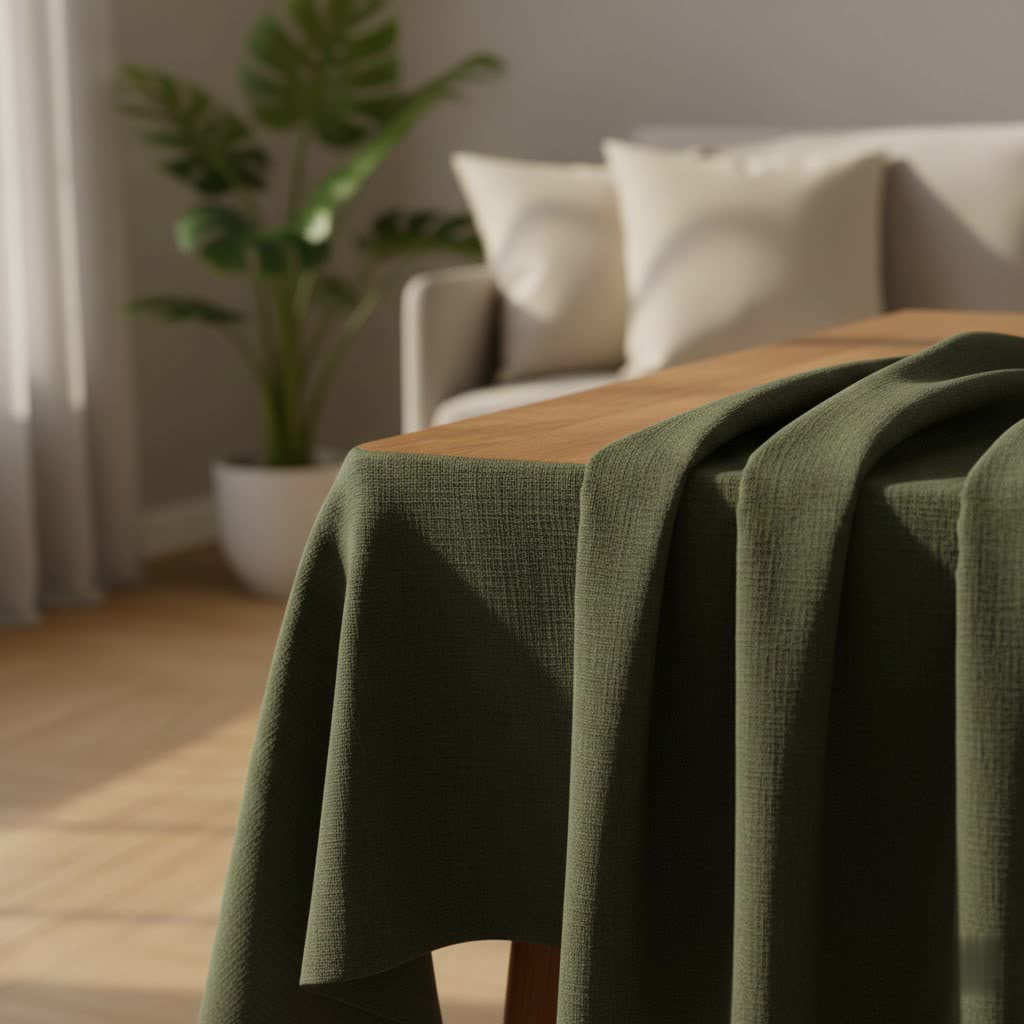
Transforming your dining space often begins with the right foundation, and few elements offer as much charm and versatility as a checked tablecloth. Have you ever considered how a simple pattern can evoke feelings of warmth, nostalgia, or modern chic? A checked tablecloth is more than just a protective layer; it’s a statement piece, a silent storyteller that defines the ambiance of your meals and gatherings. This comprehensive guide will help you navigate the delightful world of checked table linens, ensuring you find the perfect match for your style, needs, and table.
What is a Checked Tablecloth? Why Do You Need One?
A checked tablecloth, often recognized by its distinctive grid pattern of two or more alternating colors, is a classic piece of linen that has graced tables for centuries. Its history is rich, evolving from humble beginnings in country kitchens and casual bistros to becoming a versatile choice for contemporary settings. Historically, patterns like red and white checks conveyed a sense of being inexpensive, friendly, and unpretentious, suggesting a homey or old-world atmosphere. For explore our tablecloths reviews on this site.
The benefits of using a checked tablecloth extend beyond mere aesthetics. Firstly, it provides essential protection for your dining table, shielding it from spills, scratches, and heat damage. Secondly, it acts as a powerful decorative element, instantly adding character and warmth to any room. Whether you’re hosting a festive dinner or enjoying a quiet breakfast, a well-chosen checked tablecloth can elevate the entire dining experience, making it more inviting and memorable.
Popular Types of Checked Tablecloths
The world of checked tablecloths offers a delightful array of patterns, each with its unique charm and application. From the classic simplicity of gingham to the bold statement of buffalo plaid, understanding the different types will help you select the perfect one for your home.
By Material
The material of your checked tablecloth significantly impacts its look, feel, durability, and care requirements.
- Cotton: Known for its softness, breathability, and natural feel, cotton checked tablecloths are a popular choice for everyday use. They are durable and easy to wash, making them ideal for busy households, though they can be prone to wrinkling. Cotton’s absorbency is a significant advantage, but it may require more diligent stain treatment.
- Linen: For a touch of luxury and sophistication, linen checked tablecloths are unmatched. This strong natural fiber boasts anti-bacterial properties, moth resistance, and a beautiful drape that enhances any table setting. Linen also releases stains more easily than cotton and is fast-drying, making it a sustainable and elegant option, albeit with a higher price point.
- Polyester: Offering remarkable durability, affordability, and low maintenance, polyester checked tablecloths are an excellent choice for frequent entertaining or outdoor use. They are highly resistant to stains and wrinkles, providing a polished look with minimal effort. Polyester versions, often referred to as “poly check,” are also bleach-safe and quick-drying, making them a practical option for cafes and events.
- PVC/Vinyl: When practicality and ultimate spill protection are paramount, PVC or vinyl checked tablecloths are ideal. These materials are completely waterproof and incredibly easy to wipe clean, making them perfect for family meals with young children or outdoor picnics where spills are inevitable. While less elegant, their functional benefits are undeniable.
- Lace: Though less common for full checked patterns, lace can be incorporated as a delicate overlay or border, adding a refined, intricate touch to a plain checked tablecloth. Lace tablecloths exude sophistication but require careful handling due to their delicate nature.
By Shape
|
Our Picks for the Best Table Cloth in 2026
As an Amazon Associate I earn from qualifying purchases.
|
||
| Num | Product | Action |
|---|---|---|
| 1 | sancua Rectangle Tablecloth - 60 x 84 Inch - Stain and Wrinkle Resistant Washable Polyester Table Cloth, Decorative Fabric Table Cover for Dining Tables, Buffet Parties and Camping, Black |

|
| 2 | sancua Rectangle Tablecloth - 60 x 84 Inch - Stain and Wrinkle Resistant Washable Polyester Table Cloth, Decorative Fabric Table Cover for Dining Tables, Buffet Parties and Camping, Blush |
|
| 3 | Pureegg Plastic Table Cloth Disposable 10 Pack, 54 x 108 Inch Table Cloths, Birthday Party Decorations, Picnic, White Tablecloths, Rectangle, Colorful, Rainbow Cover, Leakproof & Sturdy, Balloon |
|
| 4 | sancua Rectangle Tablecloth - 60 x 84 Inch - Stain and Wrinkle Resistant Washable Polyester Table Cloth, Decorative Fabric Table Cover for Dining Tables, Buffet Parties and Camping, Beige |
|
| 5 | Laolitou Rustic Tablecloth Cotton Linen Waterproof Spring Tablecloth Burlap Table Cloths for Kitchen Dining Cloth Table Cloth for Rectangle Tables Coffee Lines Rectangle,55''x70'',4-6 Seats |
|
| 6 | sancua Rectangle Tablecloth - 60 x 84 Inch - Stain and Wrinkle Resistant Washable Polyester Table Cloth, Decorative Fabric Table Cover for Dining Tables, Buffet Parties and Camping, Grey |
|
| 7 | Pureegg Plastic Table Cloth Disposable 10 Pack, 54 x 108 Inch Table Cloths, Halloween Party Decorations, Summerween Decor, Halloween Tablecloths, Rectangle, Plastic Cover, Leakproof & Sturdy, Black |
|
| 8 | sancua Rectangle Tablecloth - 60 x 84 Inch - Stain and Wrinkle Resistant Washable Polyester Table Cloth, Decorative Fabric Table Cover for Dining Tables, Buffet Parties and Camping, Gold |
|
| 9 | sancua Rectangle Tablecloth - 60 x 84 Inch - Stain and Wrinkle Resistant Washable Polyester Table Cloth, Decorative Fabric Table Cover for Dining Tables, Buffet Parties and Camping, Burgundy |
|
| 10 | Pureegg Plastic Table Cloth 10 Pack, 54 x 108 Inch Disposable Table Cloths for Party, Picnic and Wedding, Rectangle, White |
|
Matching the tablecloth to your table’s shape is crucial for a cohesive look.
- Round Tablecloths: Designed to drape elegantly over circular tables, providing an even overhang around the perimeter.
- Square Tablecloths: Perfect for square tables, these ensure a balanced drop on all four sides. They can also be used diagonally on square tables for a dynamic look, or as an overlay on a larger round or rectangular table.
- Rectangular Tablecloths: The most common shape, suitable for standard dining tables, offering a long, flowing drape.
- Oval Tablecloths: Tailored to fit oval-shaped tables, mimicking their gentle curves and providing a graceful fall.
By Style
The checked pattern itself comes in various styles, each conveying a different aesthetic.
- Minimalist Style: Often featuring small, subtle checks in neutral colors like black and white or grey and white. This style complements modern decor by adding texture without overwhelming the space.
- Vintage Style: Classic gingham in traditional colors such as red and white or blue and white immediately evokes a nostalgic, charming farmhouse or retro diner feel. These are perfect for creating a cozy and welcoming atmosphere.
- Modern Style: Contemporary checked tablecloths might feature larger, bolder checks (like buffalo plaid) or unusual color combinations. They can introduce a graphic element to a sleek dining room, blending tradition with a fresh perspective.
- Country/Farmhouse Style: Buffalo plaid and rustic gingham patterns are hallmarks of this style. Often in colors like red, black, or green, they create a warm, inviting, and down-to-earth ambiance.
Comparison Table: Checked Tablecloth Materials
Choosing the right material for your checked tablecloth depends heavily on your lifestyle, aesthetic preferences, and frequency of use. This table provides a quick overview.
| Material | Advantages | Disadvantages | Best Suited For | Price Range |
|---|---|---|---|---|
| Cotton | Soft, breathable, absorbent, durable, easy to wash, natural feel. | Prone to wrinkling, can stain, may shrink. | Everyday use, casual dining, family with kids. | Medium |
| Linen | Luxurious drape, highly durable, stain-releasing, anti-bacterial, elegant. | Wrinkles easily, higher cost, can be delicate to wash. | Formal dining, special occasions, rustic-chic. | High |
| Polyester | Wrinkle-resistant, stain-resistant, very durable, affordable, easy care. | Less breathable, synthetic feel, can appear shiny. | Outdoor dining, busy households, events, commercial. | Low-Medium |
| PVC/Vinyl | Waterproof, extremely easy to clean (wipeable), protective. | Less luxurious, not breathable, can look plastic-like. | Picnics, outdoor tables, children’s parties, messy crafts. | Low |
How to Choose the Perfect Checked Tablecloth
Selecting the ideal checked tablecloth involves more than just picking a pretty pattern. Consider these factors to make an informed decision that will bring joy and functionality to your home.
- Determine Your Table Size and Shape: Accurate measurements are paramount. For rectangular or square tables, measure the length and width. For round tables, measure the diameter straight across the middle. to factor in any table leaves if you plan to use them.
- Calculate the Ideal Drop Length: The “drop” refers to how much the tablecloth hangs over the edge of your table. A standard drop for everyday dining is typically 6-8 inches, while 10-12 inches is recommended for more formal settings. For a dramatic, floor-length look, add twice your table’s height to its dimensions. To calculate the tablecloth size, add twice your desired drop to both the length and width (or diameter) of your table. For example, for a 60″x40″ rectangular table and an 8″ drop, you would need a 76″x56″ tablecloth (60+16 x 40+16).
- Choose the Right Material for Your Purpose:
- For daily meals and casual gatherings: Opt for durable, easy-to-clean materials like polyester or cotton blends. Checked patterns in these materials are perfect for hiding minor spills and frequent washing.
- For outdoor use or messy activities: PVC/vinyl or coated polyester offers superior spill protection and effortless cleanup.
- For special occasions or formal dining: Linen or high-quality cotton provides an elegant drape and sophisticated feel.
- Consider Color and Pattern Harmony: Checked tablecloths come in a spectrum of colors. Classic red and white gingham evokes a cheerful, rustic vibe, while black and white buffalo plaid offers a modern farmhouse aesthetic. Choose colors and check sizes that complement your existing decor and the mood you wish to create. A smaller check can be subtle, while a larger check makes a bolder statement.
- Evaluate Durability and Care: Think about how often you’ll use the tablecloth and how much maintenance you’re willing to undertake. Polyester and many cotton blends are machine washable and relatively low-maintenance, while delicate linens or intricately designed checked patterns may require more careful washing or professional cleaning.
- Read User Reviews: Before making a purchase, consult online reviews and ratings from other buyers. Their experiences can offer valuable insights into the product’s true quality, durability, and how it holds up to washing.
Tips for Cleaning and Maintaining Your Checked Tablecloth
Proper care is essential to keep your checked tablecloth looking vibrant and fresh for years to come. Specific instructions will vary by fabric, so always check the care label first.
- General Washing Guidelines:
- Pre-treatment: Shake out any loose food particles and pre-treat stains promptly. Blot rather than rub stains to avoid spreading them.
- Sorting: Wash white and colored tablecloths separately to prevent color bleeding. Avoid mixing different fabric types in the same wash.
- Machine Load: Do not overload the washing machine. This ensures thorough cleaning and reduces creasing.
- Detergent: Use a mild biological detergent. For white polyester, an oxygen-based bleaching agent can be added, but avoid chlorine bleach as it can cause permanent color loss and fabric damage.
- Material-Specific Care:
- Polyester: Machine wash in warm water (40-50°C) on a gentle cycle. Use a short spin cycle. Tumble dry on the lowest heat setting until slightly damp, or line dry. Iron on a medium setting with steam if needed, but avoid high temperatures to prevent “thermal shock creasing” (permanent wrinkles).
- Cotton: Machine wash with cool or warm water. Cotton can be ironed at a higher temperature than polyester.
- Linen: Wash on a gentle cycle with mild soap in cool or lukewarm water. Hand washing is also a safe option. Air dry or tumble dry on a low heat setting. Iron while still damp to easily remove wrinkles and achieve a crisp finish.
- Tackling Stubborn Stains:
- For general food stains, a mixture of equal parts white vinegar and water can be dabbed onto the stain before washing.
- Oil or very stubborn stains may require a specialized spot treatment or professional dry cleaning. “The best approach for persistent stains is often professional dry cleaning, as harsh home treatments can inadvertently damage delicate fibers,” advises Eleanor Vance, a textile preservation specialist.
- Proper Storage:
- Store your clean, dry tablecloths in a cool, dry place away from direct sunlight and humidity.
- Fold them carefully to prevent deep creases. For linen, consider placing acid-free tissue paper between folds to prevent color transfer and minimize wrinkling.
- Avoid storing linen in plastic bags or airtight containers, as linen needs to breathe.
Top Checked Tablecloth Brands and Where to Find Them
The market offers a diverse range of brands specializing in checked tablecloths, from everyday options to high-end designer pieces. While preferences vary, some names consistently stand out for their quality, design, and durability.
- Milliken (Checkpoint™): Known for its high-performing, versatile, and durable checkered table linens, often used in commercial settings like cafes and outdoor picnics. They offer various colors and patterns.
- CV Linens™: Specializes in wholesale gingham checkered polyester tablecloths, perfect for events due to their durability and ease of styling. They offer classic colors like red and white, and black and white.
- McGee & Co.: Offers linen checked tablecloths like the “Charlie Check Tablecloth,” valued for its soft, airy, and high-quality feel that elevates table settings.
- Target (Room Essentials, Park Designs, LOVEVOOK, Martha Stewart): Provides a wide range of accessible and stylish checked tablecloths in various materials and price points, catering to different aesthetic needs from farmhouse to modern.
- Solino Home Linen: Known for its high-quality linen gingham check tablecloths, offering a more premium, natural fiber option.
When choosing a brand, consider your budget, the desired material, and the specific style of checked pattern you prefer. Many retailers, from large department stores to specialized linen shops and online marketplaces like Etsy, offer extensive selections to explore.
“A well-chosen checked tablecloth is more than just fabric; it’s an invitation to gather, creating a focal point that tells a story of comfort and style.” – Isabella Rossi, renowned interior designer.
Conclusion
A checked tablecloth is a timeless addition to any home, offering a unique blend of practicality, charm, and decorative flair. From the rustic appeal of gingham to the bold statement of buffalo plaid, these versatile linens can improve your dining area, protect your table, and set the perfect mood for any occasion. By understanding the different materials, shapes, and styles, and by following proper care instructions, you can select and maintain a checked tablecloth that beautifully complements your space and enhances countless meals to come.
Which checked pattern speaks to your personal style the most, and how do you envision it transforming your dining experience?
Frequently Asked Questions
Which checked tablecloth material is best for daily dining with children?
For daily dining with children, polyester or PVC/vinyl checked tablecloths are highly recommended. Polyester is durable, stain-resistant, and machine washable, while PVC/vinyl offers superior waterproofing and can be easily wiped clean, making both excellent choices for handling spills and frequent use without extensive maintenance.
How do I remove red wine stains from a white checked tablecloth?
To remove red wine stains from a white checked tablecloth, blot the stain immediately with a clean cloth to absorb as much liquid as possible, avoiding rubbing. Then, apply a mixture of equal parts white vinegar and water, or a specialized stain remover for fabric. Wash according to the material’s care instructions, preferably using a biological detergent and an oxygen-based whitener for white fabrics.
Can I machine wash a linen checked tablecloth without it wrinkling excessively?
While linen naturally wrinkles, you can minimize excessive wrinkling by machine washing your linen checked tablecloth on a gentle cycle with cool water and a mild detergent. Avoid overloading the machine and use a low spin speed. Line drying or tumble drying on the lowest heat setting until slightly damp, then ironing while still damp, will help achieve a smoother finish.
What’s the difference between gingham and buffalo plaid?
Gingham typically features smaller, even-sized checks formed by woven dyed and undyed yarns, often associated with a classic, country, or picnic aesthetic. Buffalo plaid, on the other hand, consists of larger, bolder square checks, usually in two alternating colors, creating a more rustic, cozy, or farmhouse style.
Get our weekly buyer guide
Practical specs, not advice. Unsubscribe anytime.

I absolutely adore my new checked tablecloth! I got the classic red and white gingham for our kitchen table, and it instantly brought such a warm, nostalgic feel to our breakfast nook. It’s surprisingly durable and has held up beautifully through several washes. Definitely recommend for anyone wanting to add a touch of country charm.
This guide really helped me choose the right checked tablecloth for our family dinners. I went with a larger, more subtle grey check, and it’s perfect for creating a cozy yet elegant atmosphere. It’s also been incredibly easy to care for, which is essential with kids around. It truly transformed our dining room!
I bought a black and white checked tablecloth for a modern chic look, and while the pattern is exactly what I wanted, the fabric feels a little thinner than I anticipated. It still looks good on the table, but I’m a bit concerned about its long-term durability with frequent use. It’s fine for occasional gatherings, but I might look for a heavier material next time.
I was looking for something to liven up our outdoor patio table, and a checked tablecloth seemed like a great idea after reading about their versatility. I opted for a blue and white buffalo check, and it looks fantastic! It’s easy to clean, which is a huge plus for outdoor use. My only minor complaint is that it wrinkles a bit more than I expected after washing, but it’s nothing a quick iron can’t fix.