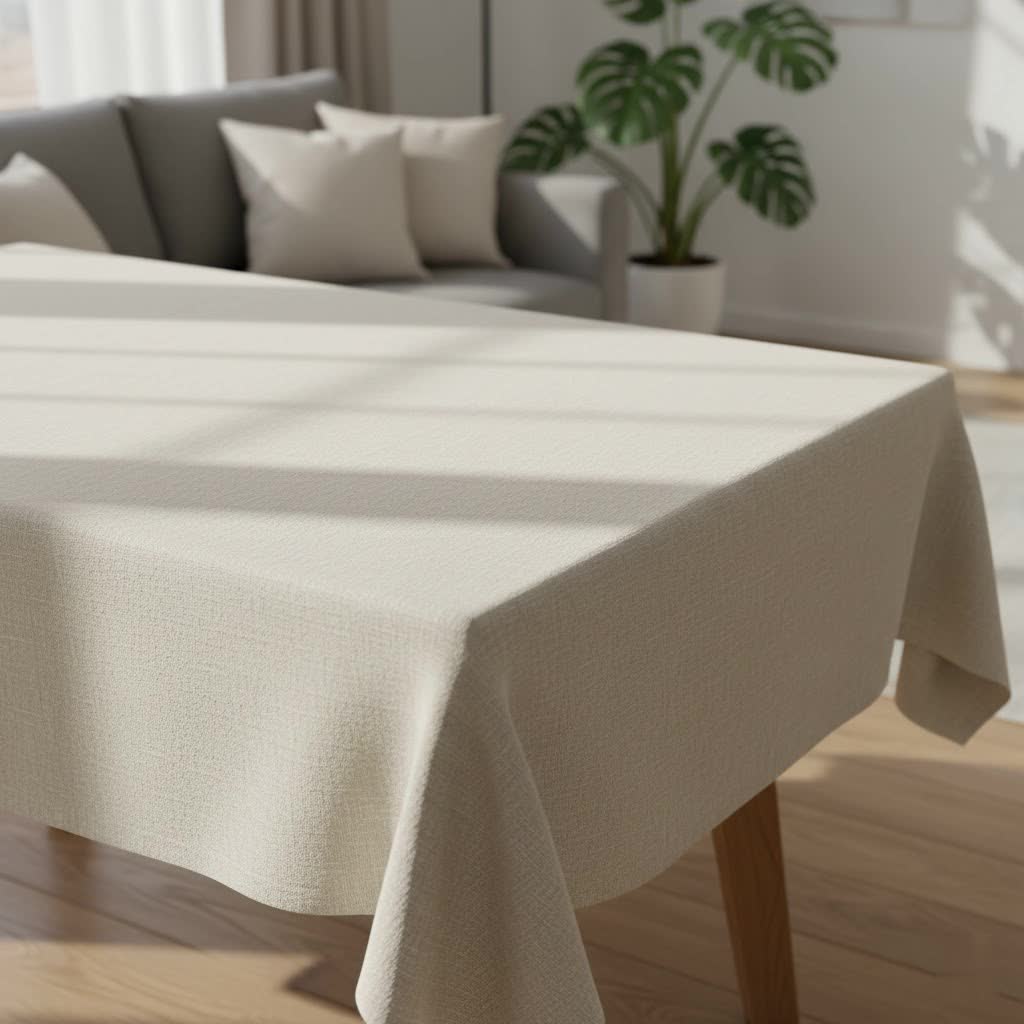
There’s something uniquely charming about dining al fresco, whether it’s a bustling park picnic or a quiet backyard barbecue. But an ordinary meal can transform into a memorable occasion with one simple addition: a thoughtfully chosen picnic table cloth. More than just a decorative element, the right picnic table cloth offers protection, elevates your outdoor aesthetic, and ensures a cleaner, more enjoyable dining experience for everyone.
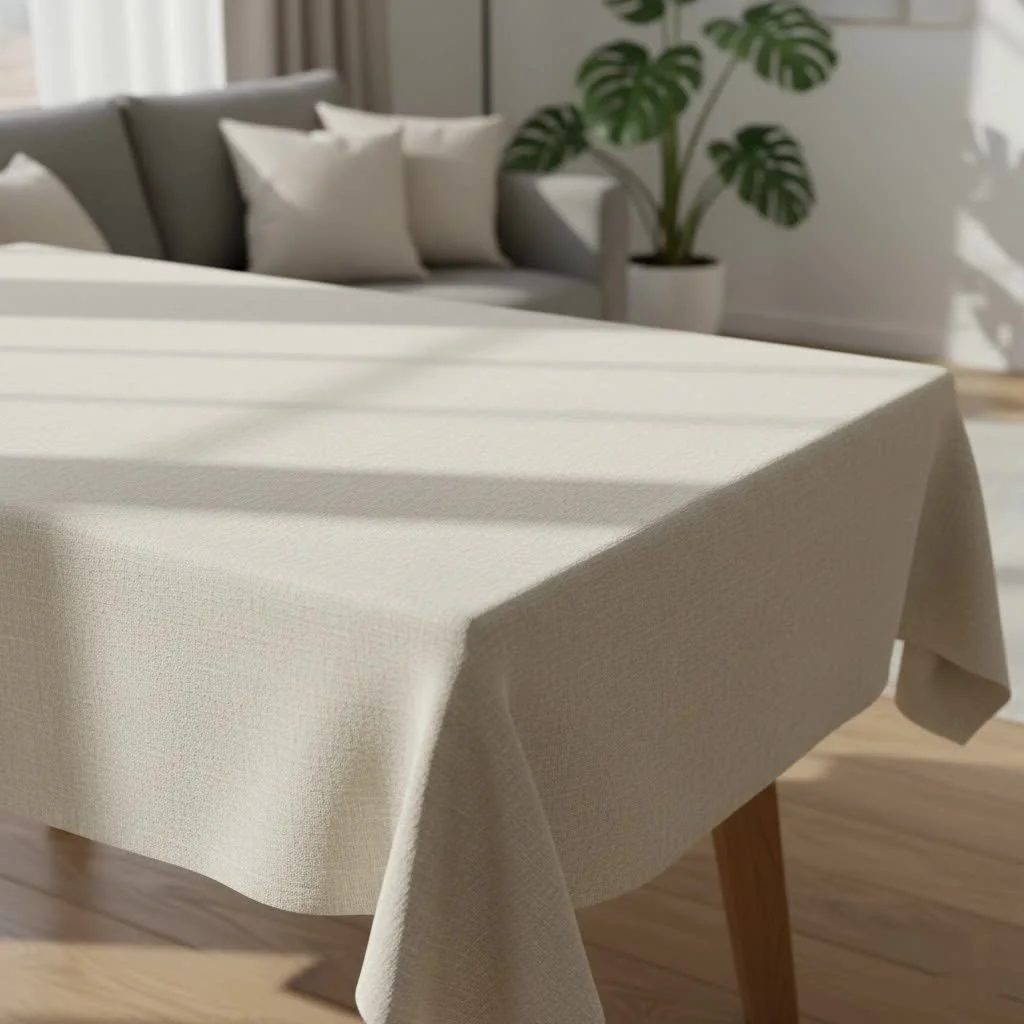
What is a Picnic Table Cloth? Why Do You Need One?
A picnic table cloth is a specialized covering designed to protect and beautify outdoor tables, particularly those used for picnics and other open-air gatherings. Historically, people have used cloths to cover surfaces for meals, and this tradition extends naturally to outdoor settings, where tables can be exposed to elements and varying degrees of cleanliness. For shop curated tablecloths on this site.
Beyond its historical roots, the modern picnic table cloth serves several vital functions. Firstly, it provides a crucial layer of protection for your table, shielding it from spills, scratches, and the sun’s harsh UV rays. For public picnic tables, it offers a hygienic barrier, ensuring a clean eating surface regardless of the table’s previous condition. Secondly, a vibrant or elegantly patterned tablecloth instantly enhances the aesthetic of your outdoor space, transforming a plain picnic table into an inviting focal point. It sets the mood, adding a touch of color, personality, or rustic charm to your outdoor dining setup. A good picnic table cloth contributes significantly to the overall comfort and enjoyment of your outdoor meal, allowing you to focus on good food and company.
Popular Types of Picnic Table Cloths
The world of picnic table cloths offers a diverse range of options, primarily differentiated by their material, shape, and style. Understanding these variations will help you pinpoint the ideal choice for your outdoor adventures.
By Material
The material of your picnic table cloth is paramount, as it dictates its durability, ease of care, and overall feel.
-
Polyester: Polyester picnic table cloths are a highly popular choice due to their excellent balance of functionality and aesthetics.
- Advantages: They are known for being water-resistant, wrinkle-resistant, and stain-resistant, making cleanup a breeze. Polyester is durable, holds its color well, and often drapes nicely, offering a more polished look than some other outdoor materials. Many are machine-washable.
- Disadvantages: While generally water-resistant, they may not be completely waterproof unless specifically treated or coated.
- Care: Typically machine wash in cold water on a gentle cycle and tumble dry on low. Remove promptly to minimize wrinkles.
- Best For: Everyday outdoor dining, family gatherings, and when you want a slightly more refined look without sacrificing practicality.
-
Vinyl (PVC/PEVA): Vinyl tablecloths are a classic for outdoor use, especially for their strong protective qualities.
- Advantages: These are often 100% waterproof and highly stain-resistant, making them incredibly easy to wipe clean with a damp cloth and mild soap. They are also very durable against tears and general wear, and typically inexpensive. Many come with a flannel backing for added grip and table protection.
- Disadvantages: Can sometimes feel less luxurious or breathable than fabric options. If flimsy, they might tear more easily, and they are generally less eco-friendly than natural fibers.
- Care: Wipe clean with a damp cloth and mild detergent. Avoid abrasive sponges or harsh chemicals, and ensure it’s thoroughly dry before storing to prevent mold.
- Best For: Messy eaters, kids’ parties, public picnic tables, camping, or any situation where maximum spill protection and effortless cleanup are priorities.
-
Cotton/Linen Blends: For those who prioritize a softer feel and a more natural aesthetic, cotton and linen blends are an excellent option.
- Advantages: These fabrics offer a breathable, comfortable, and stylish feel. Cotton is strong and absorbent, while linen provides an elegant, rustic texture. They are perfect for creating a cozy, put-together look.
- Disadvantages: More prone to wrinkles and stains than synthetics. Linen, in particular, can absorb spills quickly if not pre-treated, making immediate cleaning crucial. May require more careful washing and ironing.
- Care: Cotton can usually be washed in warm water, while linen or linen blends prefer cold or lukewarm water with a mild detergent. Air drying or tumble drying on low is recommended. Prompt stain treatment is essential.
- Best For: More intimate picnics, garden parties, or when you desire a softer, more sophisticated touch.
-
Oilcloth: A traditional material known for its durable, waterproof, and easily wipeable surface.
- Advantages: Highly resistant to moisture and easy to spot clean.
- Disadvantages: Can be stiffer and less flexible than other fabrics.
- Care: Similar to vinyl, typically wipe clean with a damp cloth.
- Best For: A vintage aesthetic or maximum durability against spills.
By Shape
Picnic table cloths come in various shapes to accommodate different table designs.
- Round: Ideal for circular picnic tables, creating an even drape around the edges.
- Square: Best for square tables, offering a balanced look.
- Rectangular: The most common shape, fitting standard picnic tables found in parks and backyards.
- Oval: Designed for oval-shaped tables, providing a custom fit.
By Style
From classic checks to modern motifs, styles vary widely to match your personal taste and outdoor decor.
- Classic Gingham/Checked: The iconic red-and-white (or other color combinations) checkered pattern is synonymous with picnics, evoking a timeless, rustic charm.
- Modern Prints: Geometric patterns, bold florals, or abstract designs can add a contemporary flair to your outdoor setting.
- Solid Colors: Simple, elegant solid colors can complement any theme and allow your food and dinnerware to stand out.
- Fitted with Bench Covers: Some sets offer elastic-edged tablecloths that hug the table, often accompanied by matching bench covers for a cohesive and secure setup, perfect for windy conditions.
Comparing Picnic Table Cloth Materials
|
Our Picks for the Best Table Cloth in 2026
As an Amazon Associate I earn from qualifying purchases.
|
||
| Num | Product | Action |
|---|---|---|
| 1 | sancua Rectangle Tablecloth - 60 x 84 Inch - Stain and Wrinkle Resistant Washable Polyester Table Cloth, Decorative Fabric Table Cover for Dining Tables, Buffet Parties and Camping, Gold |

|
| 2 | sancua Rectangle Tablecloth - 60 x 84 Inch - Stain and Wrinkle Resistant Washable Polyester Table Cloth, Decorative Fabric Table Cover for Dining Tables, Buffet Parties and Camping, Grey |
|
| 3 | Laolitou Rustic Tablecloth Cotton Linen Waterproof Spring Tablecloth Burlap Table Cloths for Kitchen Dining Cloth Table Cloth for Rectangle Tables Coffee Lines Rectangle,55''x70'',4-6 Seats |
|
| 4 | Pureegg Plastic Table Cloth Disposable 10 Pack, 54 x 108 Inch Table Cloths, Halloween Party Decorations, Summerween Decor, Halloween Tablecloths, Rectangle, Plastic Cover, Leakproof & Sturdy, Black |
|
| 5 | sancua Rectangle Tablecloth - 60 x 84 Inch - Stain and Wrinkle Resistant Washable Polyester Table Cloth, Decorative Fabric Table Cover for Dining Tables, Buffet Parties and Camping, Burgundy |
|
| 6 | Pureegg Plastic Table Cloth Disposable 10 Pack, 54 x 108 Inch Table Cloths, Birthday Party Decorations, Picnic, White Tablecloths, Rectangle, Colorful, Rainbow Cover, Leakproof & Sturdy, Balloon |
|
| 7 | sancua Rectangle Tablecloth - 60 x 84 Inch - Stain and Wrinkle Resistant Washable Polyester Table Cloth, Decorative Fabric Table Cover for Dining Tables, Buffet Parties and Camping, Beige |
|
| 8 | Pureegg Plastic Table Cloth 10 Pack, 54 x 108 Inch Disposable Table Cloths for Party, Picnic and Wedding, Rectangle, White |
|
| 9 | sancua Rectangle Tablecloth - 60 x 84 Inch - Stain and Wrinkle Resistant Washable Polyester Table Cloth, Decorative Fabric Table Cover for Dining Tables, Buffet Parties and Camping, Blush |
|
| 10 | sancua Rectangle Tablecloth - 60 x 84 Inch - Stain and Wrinkle Resistant Washable Polyester Table Cloth, Decorative Fabric Table Cover for Dining Tables, Buffet Parties and Camping, Black |
|
Choosing the perfect material involves weighing convenience, durability, and aesthetics. Here’s a quick comparison:
| Material | Advantages | Disadvantages | Best For | Price Range |
|---|---|---|---|---|
| Polyester | Water/stain/wrinkle resistant, durable, soft | Not always 100% waterproof | Everyday, elegant outdoor dining | Medium |
| Vinyl/PVC/PEVA | Waterproof, extremely easy to clean, inexpensive | Less breathable, can look less refined, not eco-friendly | Messy events, public tables, high durability | Low |
| Cotton/Linen | Soft, breathable, natural feel, stylish | Wrinkles easily, absorbs stains, higher maintenance | Cozy picnics, garden parties, aesthetic focus | Medium-High |
| Oilcloth | Waterproof, durable, easy to wipe | Can be stiff, less pliable | Vintage look, heavy-duty protection | Medium |
How to Choose the Right Picnic Table Cloth
Selecting the ideal picnic table cloth can greatly enhance your outdoor dining experience. Consider these key factors to make an informed choice.
Determine Table Size and Shape
Accuracy is crucial when measuring your table. For rectangular tables, measure the length and width from end to end. For round tables, measure the diameter. A good rule of thumb is to add 6-8 inches to each dimension for a pleasing overhang that looks elegant and helps prevent the cloth from blowing away in a breeze. If you’re covering public picnic tables, consider options with elastic edges or clips to ensure a secure fit.
Consider Material for Purpose
Think about how you’ll primarily use the tablecloth. If you have young children or anticipate frequent spills, a vinyl or polyester tablecloth with its easy-to-wipe and waterproof properties will be a lifesaver. For more formal outdoor gatherings or if you desire a softer, more luxurious feel, a cotton or linen blend might be more suitable. some tablecloths even come with bench covers for a complete, protected seating solution.
Match Style and Aesthetics
The tablecloth plays a significant role in setting the ambiance. A classic red-and-white gingham evokes a traditional picnic feel, while solid colors offer versatility and allow other decor to shine. Consider patterns and colors that harmonize with your existing outdoor furniture or the natural surroundings. Modern geometric designs or vibrant floral prints can add a fun, contemporary touch.
Durability and Maintenance
Outdoor items need to withstand the elements and frequent use. Look for materials known for their durability and ease of care. Polyester and vinyl are often celebrated for their stain and wrinkle resistance and are typically machine-washable or easily wiped clean. Checking user reviews can provide objective insights into how well a product holds up over time and with repeated washing.
Features that Enhance Functionality
Some picnic table cloths come with features that add significant value. Elasticized edges offer a snug fit, preventing the cloth from shifting or blowing away on windy days. If your table has a parasol, a tablecloth with a center umbrella hole and a zipper makes installation effortless. Coordinating bench covers not only protect the benches but also complete the aesthetic, offering added comfort and hygiene.
Tips for Cleaning and Storing Your Picnic Table Cloth
Proper care extends the life and vibrancy of your picnic table cloth, ensuring it’s ready for countless outdoor adventures.
Begin by shaking off any loose crumbs or debris after each use. Promptly address stains by blotting them with cold water and, if necessary, pre-treating with a mild detergent solution. Always refer to the care label on your specific tablecloth for detailed instructions, as different materials require different approaches.
- Polyester Tablecloths: These are typically low-maintenance. Machine wash in cold water using a gentle cycle. For best results and to minimize wrinkles, tumble dry on a low setting and remove the tablecloth promptly once dry.
- Vinyl Tablecloths: The easiest to clean! Simply wipe down the surface with a damp cloth and a small amount of dish soap. Avoid harsh chemicals or abrasive scrubbers, as these can damage the vinyl. Ensure the tablecloth is completely dry before folding and storing to prevent mold or mildew growth.
- Cotton and Linen Blends: For cotton, warm water washes are generally fine, but always check for specific care instructions, especially for colored items to prevent fading. For tough stains, a baking soda paste can be an effective pre-treatment. Linen and its blends prefer cold or lukewarm water with a mild detergent to prevent shrinkage and preserve fabric integrity. Air drying is often recommended for linen, or a very low tumble dry setting, as high heat can cause shrinkage and set wrinkles. If ironing is needed, do so while the fabric is slightly damp.
When it comes to storage, proper folding is key to prevent stubborn creases. If possible, roll larger tablecloths or place acid-free tissue paper between folds for delicate fabrics. Store your clean, dry picnic table cloth in a cool, dry place away from direct sunlight and humidity. Avoid storing fabric tablecloths in airtight plastic bags, as they need to breathe.
“A well-chosen picnic table cloth is more than just fabric; it’s the foundation of memorable outdoor moments, offering both practical protection and a touch of effortless style.” – Nguyễn Thị An, Interior Design Specialist
Conclusion
A picnic table cloth is an indispensable accessory for anyone who loves outdoor dining. From safeguarding your table against spills and wear to transforming a simple setup into an inviting haven, its benefits are undeniable. By understanding the different materials, shapes, and styles available, and by following simple care guidelines, you can select the perfect picnic table cloth that not only meets your practical needs but also beautifully expresses your personal style. So, as you plan your next al fresco meal, the humble yet powerful impact of a well-chosen picnic table cloth – it’s often the secret ingredient to a truly delightful outdoor experience.
Ready to improve your outdoor gatherings? Which material and style will you choose for your next perfect picnic?
Frequently Asked Questions
What is the best material for a picnic table cloth that needs to be completely waterproof?
For complete waterproofing, vinyl (PVC/PEVA) is generally the best material for a picnic table cloth. These cloths are designed to repel liquids entirely, making them incredibly easy to wipe clean after spills and ideal for protecting tables from rain or damp conditions.
How do I prevent my picnic table cloth from blowing away in the wind?
To prevent your picnic table cloth from blowing away, choose one with elasticized edges that grip the table securely, or use tablecloth clips (also known as clamps) which attach to the edges of the table. You can also place heavy items like serving dishes or a weighted centerpiece strategically.
What size picnic table cloth should I buy for a standard rectangular table?
For a standard 6-foot (72-inch long, 30-inch wide) rectangular picnic table, a tablecloth measuring approximately 96 x 54 inches is often recommended. This size allows for a nice overhang of about 12 inches on each side, which is both aesthetically pleasing and functional for keeping the cloth in place. Always measure your specific table for the best fit.
Can I machine wash all types of picnic table cloths?
No, not all picnic table cloths are suitable for machine washing. While polyester and most cotton/linen blends are typically machine-washable (usually on a cold or gentle cycle), vinyl and oilcloth varieties should generally be wiped clean with a damp cloth and mild soap. Always check the care label on your specific tablecloth for the manufacturer’s recommended cleaning instructions.
Get our weekly buyer guide
Practical specs, not advice. Unsubscribe anytime.

I got a polyester blend tablecloth for our family picnics, and while it’s pretty durable and the pattern is nice, I found it a bit thin. It tends to shift around a lot in the breeze, even with clips. I wish it had a bit more weight to it so it would stay put better on windy days.
We do a lot of camping, and I was tired of the grimy picnic tables at campsites. I picked up a fitted picnic table cloth, and it’s perfect! It stays on securely, even when we’re setting up and taking things down. It makes eating outdoors so much more hygienic and enjoyable.
I never really thought about the aesthetic impact of a picnic tablecloth until recently. I chose a checkered cotton one for our park outings, and it really elevates the whole experience. It feels so much more charming and inviting than just eating off a bare table. Plus, it protects the wood from food stains.
I used to just throw an old sheet over our picnic table, but after reading about the benefits of a proper picnic tablecloth, I invested in a vinyl one. It’s been a game-changer! Spills wipe right up, and it really does make our backyard barbecues feel more special. I love how easy it is to clean.