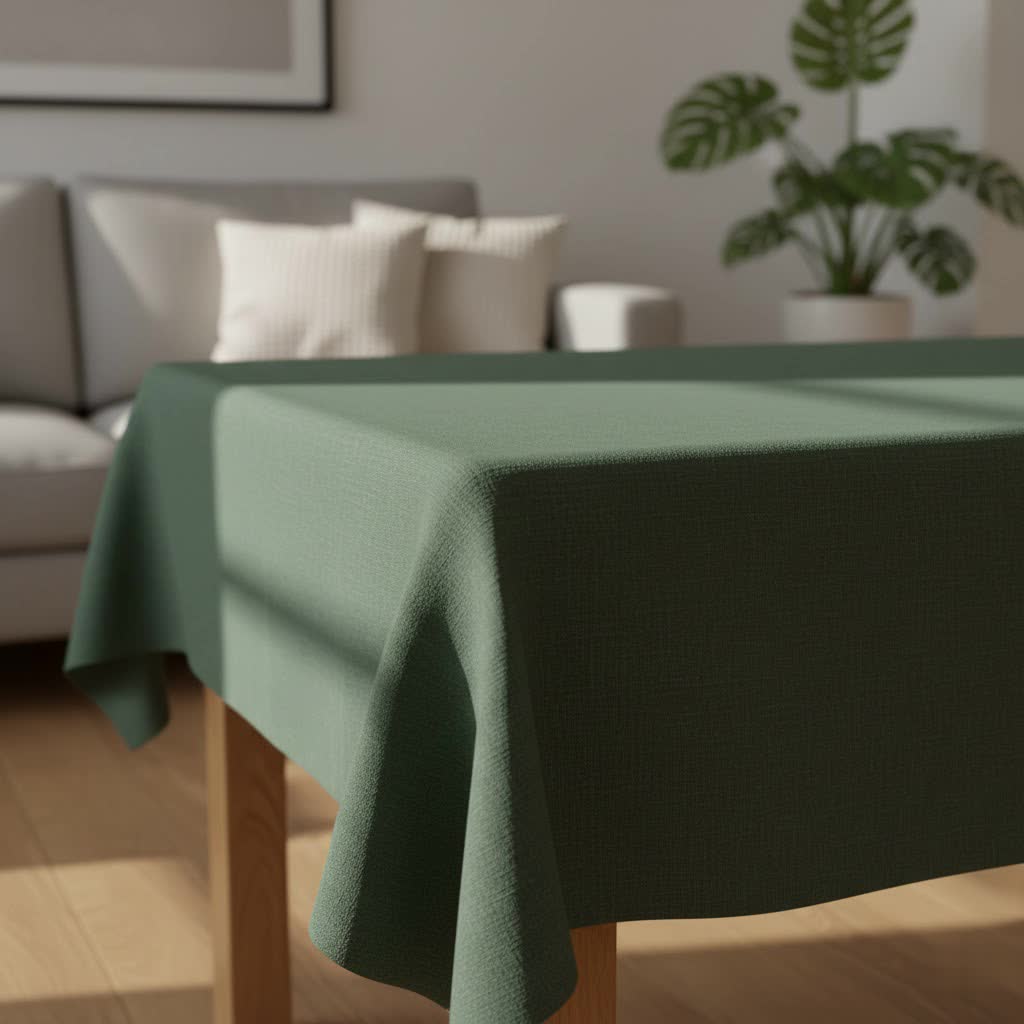
Imagine a dining space transformed, not by a complete renovation, but by a simple, elegant touch: a beautiful tablecloth. For many, the dining table is the heart of the home, a place where memories are made over shared meals and conversations. A tablecloth not only elevates the aesthetic but also protects your cherished furniture, adding warmth and personality to any gathering. Among the myriad options, cotton tablecloths stand out as a timeless choice, blending natural appeal with practical benefits. This comprehensive guide will delve into everything you need to know about cotton tablecloths, helping you discover the perfect one to enhance your living space.
What is a Tablecloth and Why Do You Need It?
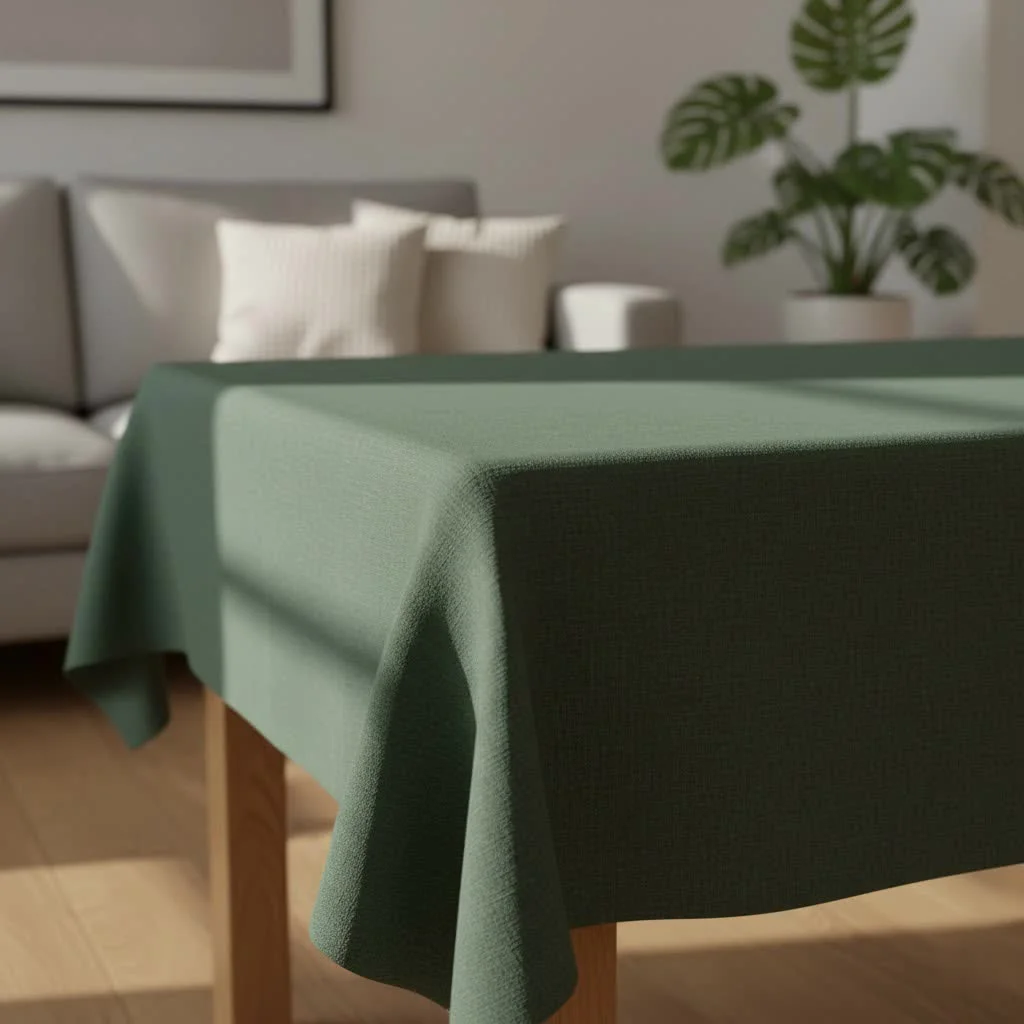
A tablecloth is a piece of fabric designed to cover a table, typically for dining, protection, or decoration. Its history dates back centuries, evolving from functional coverings in ancient civilizations to intricate decorative elements in grand European households. Today, tablecloths serve multiple purposes that extend beyond mere aesthetics. They offer essential protection against spills, scratches, and heat damage, preserving the longevity and appearance of your table. Beyond practicality, a tablecloth instantly elevates the ambiance, transforming an ordinary meal into a special occasion. It adds color, texture, and a touch of elegance, creating a more inviting and cohesive dining environment. For see our tablecloths recommendations on this site.
Popular Types of Tablecloths
Choosing a tablecloth involves considering various factors, including material, shape, and style, each contributing uniquely to your space.
By Material
The material dictates a tablecloth’s look, feel, durability, and care requirements.
- Cotton Fabric: Known for its softness, breathability, and natural feel, cotton is a highly versatile choice. It drapes beautifully and comes in a vast array of colors and patterns, making it suitable for both casual everyday use and more formal settings. Cotton is also highly absorbent, which means it can protect your table from spills effectively, and it withstands frequent washing well. However, cotton tablecloths are prone to wrinkling and may shrink if not pre-shrunk or cared for properly.
- Linen Fabric: Linen offers a sophisticated, earthy texture and exceptional durability. Made from flax fibers, it becomes softer with each wash and boasts excellent temperature regulation, making it ideal for warmer climates or outdoor dining. Linen tablecloths exude a relaxed elegance, though they are known for wrinkling easily and generally come at a higher price point than cotton. They require a bit more delicate care when washing and ironing to maintain their quality.
- Polyester Fabric: Polyester is a synthetic material celebrated for its superior durability, resistance to wrinkles, and color retention. It’s often treated to be water-resistant or waterproof, making it an excellent choice for busy households, outdoor use, or commercial settings where spills are frequent. Polyester tablecloths are easy to clean, quick-drying, and generally more affordable, though they may lack the natural feel and breathability of cotton or linen.
- PVC/PEVA Fabric: These materials are plastic-based, offering absolute waterproof protection and effortless cleanup. PVC (Polyvinyl Chloride) and PEVA (Polyethylene-Vinyl Acetate) tablecloths are incredibly practical for tables used by young children, outdoor picnics, or craft activities due to their wipe-clean surface. PEVA is considered a more eco-friendly alternative to PVC as it’s free from phthalates and chlorine. While highly functional and affordable, they don’t offer the same soft drape or luxurious feel as natural fabrics.
- Lace Fabric: Lace tablecloths are purely decorative, adding a touch of romance, vintage charm, or intricate elegance. They are typically used as overlays on top of a solid-colored tablecloth to highlight their delicate patterns. Lace is often more fragile and requires gentle care, usually hand washing or a delicate cycle, and is not designed for spill protection.
By Shape
|
Our Picks for the Best Table Cloth in 2026
As an Amazon Associate I earn from qualifying purchases.
|
||
| Num | Product | Action |
|---|---|---|
| 1 | sancua Rectangle Tablecloth - 60 x 84 Inch - Stain and Wrinkle Resistant Washable Polyester Table Cloth, Decorative Fabric Table Cover for Dining Tables, Buffet Parties and Camping, Black |

|
| 2 | sancua Rectangle Tablecloth - 60 x 84 Inch - Stain and Wrinkle Resistant Washable Polyester Table Cloth, Decorative Fabric Table Cover for Dining Tables, Buffet Parties and Camping, Gold |
|
| 3 | Pureegg Plastic Table Cloth 10 Pack, 54 x 108 Inch Disposable Table Cloths for Party, Picnic and Wedding, Rectangle, White |
|
| 4 | sancua Rectangle Tablecloth - 60 x 84 Inch - Stain and Wrinkle Resistant Washable Polyester Table Cloth, Decorative Fabric Table Cover for Dining Tables, Buffet Parties and Camping, Grey |
|
| 5 | Pureegg Plastic Table Cloth Disposable 10 Pack, 54 x 108 Inch Table Cloths, Halloween Party Decorations, Summerween Decor, Halloween Tablecloths, Rectangle, Plastic Cover, Leakproof & Sturdy, Black |
|
| 6 | sancua Rectangle Tablecloth - 60 x 84 Inch - Stain and Wrinkle Resistant Washable Polyester Table Cloth, Decorative Fabric Table Cover for Dining Tables, Buffet Parties and Camping, Beige |
|
| 7 | Laolitou Rustic Tablecloth Cotton Linen Waterproof Spring Tablecloth Burlap Table Cloths for Kitchen Dining Cloth Table Cloth for Rectangle Tables Coffee Lines Rectangle,55''x70'',4-6 Seats |
|
| 8 | Pureegg Plastic Table Cloth Disposable 10 Pack, 54 x 108 Inch Table Cloths, Birthday Party Decorations, Picnic, White Tablecloths, Rectangle, Colorful, Rainbow Cover, Leakproof & Sturdy, Balloon |
|
| 9 | sancua Rectangle Tablecloth - 60 x 84 Inch - Stain and Wrinkle Resistant Washable Polyester Table Cloth, Decorative Fabric Table Cover for Dining Tables, Buffet Parties and Camping, Burgundy |
|
| 10 | sancua Rectangle Tablecloth - 60 x 84 Inch - Stain and Wrinkle Resistant Washable Polyester Table Cloth, Decorative Fabric Table Cover for Dining Tables, Buffet Parties and Camping, Blush |
|
Tablecloths are designed to fit various table shapes, ensuring a proper drape and aesthetic.
- Round Tablecloths: Perfect for circular tables, these typically hang evenly around the edges, creating a soft and inviting look.
- Square Tablecloths: Ideal for square tables, they can also be used diagonally on a round table for a layered effect, or even on smaller rectangular tables.
- Rectangular Tablecloths: The most common shape, these are designed for standard rectangular dining tables, offering ample coverage.
- Oval Tablecloths: Less common but specifically tailored for oval-shaped tables, providing a custom fit that complements their unique curves.
By Style
The style of your tablecloth can significantly influence the overall decor.
- Minimalist Style: Often featuring solid colors, subtle textures, and clean lines, minimalist tablecloths create a calm, uncluttered, and sophisticated atmosphere.
- Vintage Style: Characterized by antique patterns, lace details, or classic floral motifs, vintage tablecloths evoke a sense of nostalgia and timeless charm.
- Modern Style: These tablecloths incorporate bold geometric designs, abstract patterns, or vibrant contemporary colors, aligning with sleek and artistic interiors.
- Country/Farmhouse Style: Featuring natural fibers, plaid, gingham, or rustic floral prints, country-style tablecloths bring a cozy, welcoming, and relaxed feel to the dining area.
Comparison Table: Common Tablecloth Materials
| Material | Pros | Cons | Best Suited For | Price Range |
|---|---|---|---|---|
| Cotton | Soft, breathable, absorbent, versatile, easy to wash | Prone to wrinkles, can shrink | Everyday use, casual to semi-formal dining, families | Medium |
| Linen | Highly durable, natural texture, elegant, breathable | Wrinkles easily, higher cost, requires delicate care | Formal dining, special occasions, rustic elegance | High |
| Polyester | Durable, wrinkle-resistant, stain-resistant, easy care | Less breathable, synthetic feel, can be less absorbent | Outdoor dining, busy households, commercial settings | Low to Medium |
| PVC/PEVA | 100% waterproof, wipe-clean, highly durable, affordable | Plastic feel, less aesthetically pleasing, less eco-friendly (PVC) | Kids’ parties, outdoor picnics, craft tables, very messy environments | Low |
| Lace | Elegant, decorative, adds texture and sophistication | Delicate, difficult to clean, no spill protection | Decorative overlay, formal tea parties, aesthetic enhancement | Medium to High |
How to Choose the Right Tablecloth for Your Home
Selecting the perfect tablecloth requires a thoughtful approach, balancing functionality with aesthetics to suit your lifestyle and decor.
- Determine Your Table Size: Accurate measurements are crucial. Measure the length and width (or diameter for round tables) of your table. Then, decide on your desired “drop”—how far the tablecloth hangs over the edges. A typical drop for casual dining is 6-10 inches, while formal settings often feature a 12-15 inch drop, or even floor-length. Add twice your desired drop to each side of your table’s measurements to find the ideal tablecloth size.
- Match Material to Purpose: For daily meals and busy families, easy-to-clean materials like cotton (which is machine washable) or even polyester are practical. If you host formal dinner parties, the luxurious drape of linen or a high-quality cotton might be preferred. For outdoor tables or messy activities, waterproof PVC/PEVA can be a lifesaver.
- Consider Color and Pattern: The tablecloth should harmonize with your room’s existing decor, wall colors, and dinnerware. Neutral tones offer versatility and a calming effect, while vibrant colors or bold patterns can act as a striking focal point. Think about the mood you want to create—subtle patterns for understated elegance, or playful designs for a cheerful atmosphere.
- Evaluate Durability and Maintenance: Some materials require more care than others. If you prefer low-maintenance options, look for machine-washable and wrinkle-resistant fabrics. Cotton is a good balance, offering natural feel and ease of washing, though it might need ironing. Always check care labels before purchasing.
- Read User Reviews: Online reviews can offer valuable insights into a tablecloth’s real-world performance, including its durability, colorfastness, and how well it stands up to washing. This helps you make an informed decision based on the experiences of other users.
Tips for Cleaning and Maintaining Your Cotton Tablecloth
Proper care extends the life and beauty of your cotton tablecloth, keeping it fresh and vibrant for years.
- Washing: Most cotton tablecloths are machine washable. Use cold water to prevent shrinking and fading, and a gentle cycle with a mild detergent. For heavily soiled items, a pre-soak or a stain remover might be necessary. Always separate colors to avoid dye transfer.
- Stain Removal: Tackle stains immediately for the best results. For oil-based stains, sprinkle cornstarch or baking soda to absorb the grease before washing. For wine or berry stains, blot (don’t rub) and rinse with cold water, then treat with a stain remover or a mixture of white vinegar and baking soda before laundering.
- Drying: Tumble dry on a low heat setting or air dry to minimize wrinkles and prevent excessive shrinking. Remove the tablecloth from the dryer while it’s still slightly damp to make ironing easier.
- Ironing: Cotton naturally wrinkles. For a crisp, smooth finish, iron your tablecloth while it’s still slightly damp, or use a steam iron. Iron on the reverse side to protect colors and patterns.
- Storage: Store clean, dry, and ironed tablecloths by rolling them instead of folding to prevent creases. Store them in a cool, dry place away from direct sunlight to avoid discoloration.
Top Tablecloth Brands
While many brands offer excellent tablecloths, a few stand out for their quality, design, and durability, especially when it comes to cotton.
- Pottery Barn: Renowned for their high-quality home goods, Pottery Barn offers a range of organic cotton tablecloths with textured weaves. These often feature a cozy farmhouse or classic charm, known for their elegant drape and ability to withstand daily use. Their cotton options are often heavy, ensuring durability and a luxurious feel.
- Crate & Barrel: This brand provides chic and modern cotton tablecloths, often in crisp white or sophisticated patterns. Their organic cotton selections are celebrated for being easy to clean in a washing machine, making them suitable for both special dinner parties and everyday family meals. They are a go-to for contemporary elegance.
These brands often prioritize durable, natural fibers like cotton, ensuring a product that is both beautiful and long-lasting.
“A well-chosen tablecloth is more than just fabric; it’s the canvas upon which countless memories are painted, transforming every meal into an experience.”
Conclusion
Choosing the right cotton tablecloth is an investment in your home’s aesthetic and functionality. From its natural softness and breathability to its versatility in design and ease of care, cotton offers a compelling blend of elegance and practicality. By considering factors like size, material, style, and maintenance, you can select a tablecloth that not only protects your table but also enhances your dining experience, making every meal feel a little more special. So, are you ready to refresh your dining space and create a welcoming atmosphere with the timeless appeal of a cotton tablecloth?
Frequently Asked Questions
Which cotton tablecloth is best for everyday use?
For everyday use, a durable, machine-washable cotton tablecloth with a good balance of absorbency and wrinkle resistance is ideal. Look for pre-shrunk cotton or cotton blends to minimize maintenance, offering both natural comfort and ease of care for frequent meals.
How do I prevent my cotton tablecloth from shrinking?
To prevent shrinking, always wash your cotton tablecloth in cold water on a gentle cycle. Air drying or tumble drying on a very low heat setting is recommended. If possible, opt for pre-shrunk cotton tablecloths or those specifically labeled as “shrink-resistant.”
Can I use a cotton tablecloth outdoors?
While cotton tablecloths can be used outdoors for picnics or garden parties, they are not naturally water-resistant. For prolonged outdoor use or protection against rain and heavy spills, a polyester or PVC/PEVA tablecloth might be a more practical and durable choice.
What’s the best way to get wrinkles out of a cotton tablecloth?
The best way to remove wrinkles from a cotton tablecloth is to iron it while it’s still slightly damp, using a steam iron on a medium to high heat setting. Alternatively, you can use a fabric steamer once the tablecloth is on the table for a quick refresh.
How often should I wash my cotton tablecloth?
The frequency of washing depends on its use. For daily dining, washing your cotton tablecloth once a week or whenever it gets visibly soiled is recommended. For occasional use or decorative purposes, wash it as needed to keep it fresh and clean.
Get our weekly buyer guide
Practical specs, not advice. Unsubscribe anytime.

I always thought cotton was just cotton, but learning about the different weaves and finishes was a game-changer. I invested in a high-thread-count sateen cotton tablecloth for special occasions, and it feels incredibly luxurious. It truly elevates our holiday dinners and makes the table feel so much more elegant. Worth every penny for that touch of sophistication.
I’ve been looking for a durable tablecloth for ages, and this guide really helped me understand the benefits of cotton. I ended up getting a beautiful damask cotton cloth for our dining room, and it’s held up perfectly through several family dinners. It washes so well and still looks brand new. Definitely recommend cotton for anyone wanting both style and practicality.
I appreciate the detailed info on caring for cotton tablecloths. I bought a lovely printed cotton one, but I found that even with careful washing, it still wrinkles quite a bit. It’s a bit more high-maintenance than I expected to get it looking perfectly smooth for guests. Next time, I might look for a cotton blend that’s less prone to creasing.
This was super helpful in choosing a tablecloth for our outdoor patio table. I wanted something natural and breathable, and the section on cotton’s natural appeal really resonated. I picked up a simple, solid-colored cotton cloth, and it adds such a nice touch to our al fresco meals. It’s comfortable and looks great, even in the sun.