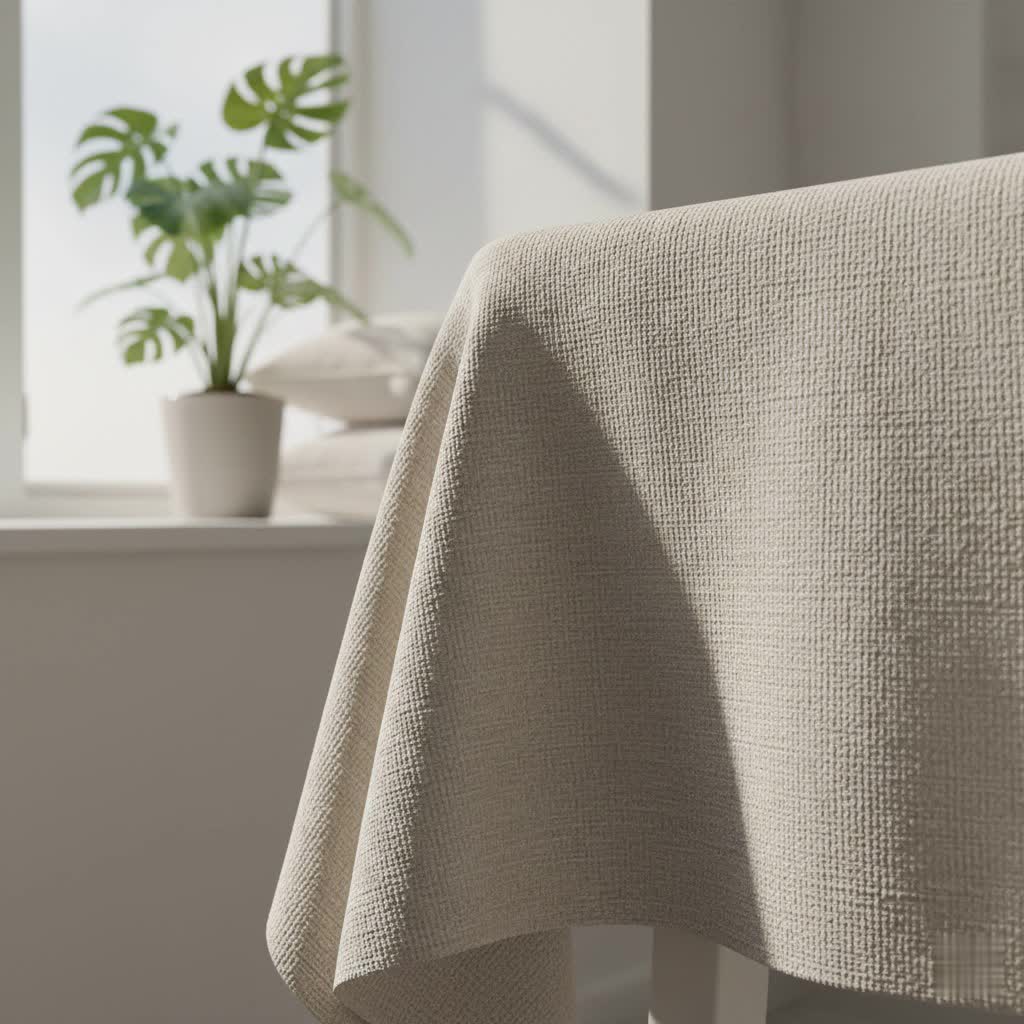
Table cloth covers are far more than just decorative accents; they are essential elements that can transform your dining space, offering both aesthetic appeal and practical benefits. Whether you’re hosting a grand celebration or enjoying a casual family meal, the right table cover protects your furniture while setting the perfect mood. With a vast array of materials, shapes, and styles available, choosing the ideal table cloth cover might seem overwhelming, but this comprehensive guide will walk you through everything you need to know to make an informed decision.
What Are Table Cloth Covers and Why Do You Need Them?
At its core, a table cloth cover is a piece of fabric or material designed to cover a table. Their history dates back centuries, evolving from simple protective coverings to sophisticated decorative linens that reflect cultural practices and personal style. Today, their purpose remains twofold: protection and decoration. For shop curated tablecloths on this site.
The benefits of incorporating table cloth covers into your home are numerous:
- Table Protection: They act as a barrier against spills, scratches, heat, and general wear and tear, preserving the life and beauty of your furniture, especially valuable pieces.
- Enhanced Aesthetics: A table cloth cover can instantly elevate the look of any room, adding color, texture, and pattern to complement your existing decor or introduce a fresh new theme.
- Ambiance Creation: From formal elegance to casual charm, the right table cover sets the tone for any occasion, making everyday meals feel special and celebrations truly memorable.
- Noise Reduction: Fabric tablecloths can absorb ambient noise, contributing to a more comfortable and intimate dining experience.
- Easy Cleanup: Many modern table cloth covers are designed for easy cleaning, making post-meal tidying a breeze, especially for households with children or frequent entertainers.
Popular Types of Table Cloth Covers
Table cloth covers come in diverse types, primarily categorized by their material, shape, and style. Understanding these distinctions is key to selecting the perfect one for your needs.
By Material
The material of your table cloth cover significantly influences its look, feel, durability, and care requirements.
- Cotton: A timeless choice, cotton is beloved for its softness, breathability, and excellent absorbency. It’s a natural, eco-friendly fiber available in countless styles and colors, making it incredibly versatile for everyday use or casual dining. However, cotton tends to wrinkle easily, may require frequent washing due to its absorbency, and can shrink.
- Linen: Exuding natural elegance and sophistication, linen is another strong, breathable natural fiber derived from the flax plant. It’s highly durable and gains softness with age. Linen is often considered a luxurious option for formal settings but can be more expensive and is prone to wrinkling, often requiring careful ironing.
- Polyester: A popular synthetic choice, polyester is known for being affordable, durable, and low-maintenance. It boasts resistance to wrinkles, stains, pilling, and shrinking, making it an excellent option for busy households and outdoor events. Polyester is also easy to clean and quick-drying. While highly practical, it may offer less breathability and a less luxurious feel compared to natural fibers.
- PVC/PEVA (Vinyl): These synthetic materials are prized for their absolute waterproof qualities, making them incredibly easy to clean with a simple wipe. Vinyl table cloth covers are durable, tear-resistant, and ideal for outdoor picnics, casual gatherings, or protecting tables from messy children. They are typically an economical choice. However, they can be less flexible and might crack over time, and some may not be as environmentally friendly.
- Lace: Primarily decorative, lace table cloth covers add a delicate, intricate, and vintage charm to any setting. They are lightweight and breathable, perfect for elegant tea parties or romantic occasions. Due to their delicate nature, lace covers are prone to tearing, often require a liner for full coverage, and can be challenging to clean.
- Satin: Offering a glossy, smooth, and luxurious appearance, satin is an excellent alternative to silk for adding elegance without the high price tag. It drapes beautifully and comes in a wide range of colors. Be aware that satin can be slippery, prone to staining and wrinkling, and requires careful maintenance.
By Shape
|
Our Picks for the Best Table Cloth in 2026
As an Amazon Associate I earn from qualifying purchases.
|
||
| Num | Product | Action |
|---|---|---|
| 1 | Pureegg Plastic Table Cloth 10 Pack, 54 x 108 Inch Disposable Table Cloths for Party, Picnic and Wedding, Rectangle, White |

|
| 2 | sancua Rectangle Tablecloth - 60 x 84 Inch - Stain and Wrinkle Resistant Washable Polyester Table Cloth, Decorative Fabric Table Cover for Dining Tables, Buffet Parties and Camping, Gold |
|
| 3 | Pureegg Plastic Table Cloth Disposable 10 Pack, 54 x 108 Inch Table Cloths, Halloween Party Decorations, Summerween Decor, Halloween Tablecloths, Rectangle, Plastic Cover, Leakproof & Sturdy, Black |
|
| 4 | sancua Rectangle Tablecloth - 60 x 84 Inch - Stain and Wrinkle Resistant Washable Polyester Table Cloth, Decorative Fabric Table Cover for Dining Tables, Buffet Parties and Camping, Beige |
|
| 5 | Pureegg Plastic Table Cloth Disposable 10 Pack, 54 x 108 Inch Table Cloths, Birthday Party Decorations, Picnic, White Tablecloths, Rectangle, Colorful, Rainbow Cover, Leakproof & Sturdy, Balloon |
|
| 6 | sancua Rectangle Tablecloth - 60 x 84 Inch - Stain and Wrinkle Resistant Washable Polyester Table Cloth, Decorative Fabric Table Cover for Dining Tables, Buffet Parties and Camping, Burgundy |
|
| 7 | Laolitou Rustic Tablecloth Cotton Linen Waterproof Spring Tablecloth Burlap Table Cloths for Kitchen Dining Cloth Table Cloth for Rectangle Tables Coffee Lines Rectangle,55''x70'',4-6 Seats |
|
| 8 | sancua Rectangle Tablecloth - 60 x 84 Inch - Stain and Wrinkle Resistant Washable Polyester Table Cloth, Decorative Fabric Table Cover for Dining Tables, Buffet Parties and Camping, Grey |
|
| 9 | sancua Rectangle Tablecloth - 60 x 84 Inch - Stain and Wrinkle Resistant Washable Polyester Table Cloth, Decorative Fabric Table Cover for Dining Tables, Buffet Parties and Camping, Blush |
|
| 10 | sancua Rectangle Tablecloth - 60 x 84 Inch - Stain and Wrinkle Resistant Washable Polyester Table Cloth, Decorative Fabric Table Cover for Dining Tables, Buffet Parties and Camping, Black |
|
Table cloth covers are designed to fit various table shapes, ensuring a perfect drape and aesthetic.
- Round Table Cloth Covers: Perfectly circular, these are ideal for creating intimate and inviting settings.
- Square Table Cloth Covers: Designed for square tables, they can also be used diagonally on round tables for a modern layered look.
- Rectangular Table Cloth Covers: The most common type, these fit oblong or rectangular tables, providing full coverage and versatility for various occasions.
- Oval Table Cloth Covers: Tailored for oval-shaped tables, these offer a smooth, continuous drape that enhances the table’s unique contours.
By Style
Beyond basic shapes and materials, table cloth covers come in diverse styles to suit any decor:
- Traditional: Often featuring classic patterns, damasks, or solid colors in rich fabrics like linen or cotton, emphasizing elegance and formality.
- Modern/Minimalist: Characterized by clean lines, geometric patterns, and neutral color palettes, focusing on sleek sophistication.
- Rustic/Farmhouse: Utilizing natural textures like burlap or coarse linen, often with simple designs or earthy tones, perfect for a cozy, inviting atmosphere.
- Vintage: Incorporating lace, embroidered details, or classic floral patterns that evoke a sense of nostalgia and antique charm.
- Fitted Table Covers: Made from stretchable materials like polyester-spandex blends, these covers fit snugly over the table, providing a smooth, wrinkle-free, and contemporary look, popular for events and trade shows.
Table Cloth Cover Comparison Table
| Material | Pros | Cons | Best For | Price |
|---|---|---|---|---|
| Cotton | Soft, breathable, absorbent, natural, versatile, eco-friendly. | Wrinkles easily, may shrink, requires frequent washing, can lose sheen. | Everyday dining, casual settings, natural aesthetic, families with children. | Medium |
| Linen | Luxurious, elegant, strong, durable, becomes softer with age, breathable. | Expensive, wrinkles easily, requires special care/ironing. | Formal dining, elegant events, vintage themes, long-term investment. | High |
| Polyester | Durable, affordable, wrinkle-resistant, stain-resistant, easy care, quick-drying. | Less breathable, may lack a luxurious feel, can sometimes look less natural. | Everyday use, outdoor events, commercial settings, busy households. | Low |
| PVC/PEVA | Waterproof, extremely easy to clean, durable, tear-resistant, affordable. | Less flexible, may crack over time, not as eco-friendly, can have a “plastic” feel. | Outdoor picnics, children’s parties, casual gatherings, heavy-duty protection. | Low |
| Lace | Elegant, delicate, decorative, lightweight, romantic charm. | Delicate, prone to tearing, often needs a liner, harder to clean. | Decorative accent, formal tea parties, romantic settings, special occasions. | Medium-High |
How to Choose the Perfect Table Cloth Covers
Selecting the ideal table cloth cover involves more than just picking a pretty pattern. Consider these factors to ensure your choice is both functional and beautiful:
-
Determine Your Table Size and Desired Drop: First, accurately measure your table. For rectangular tables, measure length and width. For round or oval tables, measure the diameter (and the longer diameter for oval). Then, decide on your “drop” – the amount of fabric that hangs over the edge. A casual setting typically calls for a 6-8 inch drop, while a formal affair might require a 10-15 inch drop, or even a floor-length cover for maximum drama. Add twice your desired drop to each measurement to find the ideal tablecloth size.
-
Match Material to Purpose and Occasion: The intended use is crucial. For daily family meals, a durable, easy-to-clean material like polyester or a cotton blend is practical. For formal events, opt for luxurious fabrics such as linen or satin. Outdoor gatherings benefit from waterproof vinyl or laminated cotton.
-
Consider Color and Pattern with Your Space: Choose colors and patterns that harmonize with your room’s existing decor, wall colors, and tableware. White and ivory are classic choices for formal settings, while vibrant hues or bold patterns can create a festive atmosphere. Don’t be afraid to experiment with textures for added visual interest.
-
Evaluate Durability and Ease of Care: Think about how often the table cloth cover will be used and how much maintenance you’re willing to undertake. Machine-washable options like polyester or cotton blends are convenient for frequent use, while delicate materials may require hand washing or professional dry cleaning. Check for features like stain-resistance and wrinkle-resistance if low maintenance is a priority.
-
Read User Reviews: Online reviews can provide valuable insights into the real-world performance, durability, and true color representation of table cloth covers. They can also offer tips on sizing and care from other users.
Tips for Cleaning and Maintaining Your Table Cloth Covers
Proper care is paramount to extending the life and preserving the beauty of your table cloth covers.
- Pre-Treat Stains Immediately: The golden rule of stain removal is speed. Address spills and stains as soon as they occur. For tough spots like oil or wine, pre-treat with a biological detergent or a paste of baking soda and white vinegar before washing.
- Sort by Color and Fabric: Always wash like colors together to prevent dye transfer. Separate delicate fabrics from sturdy ones, and avoid mixing 100% polyester with cotton/poly blends to prevent lint transfer.
- Choose the Right Detergent and Water Temperature: Use a mild detergent. For colored fabrics and delicate materials, cold water is often best to prevent shrinking and fading. Warm water is suitable for linen, synthetics, and cotton. Avoid chlorine bleach on colored table covers, opting for color-safe, non-chlorine bleach if needed, diluted, and tested on an inconspicuous area first.
- Avoid Overloading: Do not overload your washing machine or dryer. This allows the table covers to move freely, ensuring a thorough clean and reducing creasing.
- Drying with Care: For best results, hang-dry table covers whenever possible. If using a tumble dryer, select the lowest heat setting and remove the table cover while it is still slightly damp to minimize wrinkles. Over-drying can set wrinkles permanently.
- Ironing for a Crisp Look: Many table covers, especially natural fibers, benefit from ironing. Iron on a low to medium temperature setting, ideally while the fabric is slightly damp, using steam for easier wrinkle removal. For delicate materials like lace or organza, use a very low setting or a pressing cloth.
- Proper Storage: Once clean and dry, store your table cloth covers properly to prevent new wrinkles and damage. Fold or roll them loosely and store them in a cool, dark, dry place, ideally in breathable fabric bags rather than plastic, to prevent mildew and deep creases.
“A beautiful table cloth cover can transform an ordinary meal into a special occasion and is an investment in both your home’s aesthetic and your table’s longevity.” – An Nguyen, Interior Design Expert
Conclusion
Table cloth covers are indispensable elements in any home, offering a blend of protection, style, and ambiance. From the soft embrace of cotton to the sophisticated drape of linen, and the practical resilience of polyester, there’s a perfect cover for every table, occasion, and personal taste. By understanding the diverse materials, shapes, and styles available, and by adhering to proper care and maintenance, you can ensure your table cloth covers remain a cherished part of your home decor for years to come.
Ready to revitalize your dining space? Explore the endless possibilities of table cloth covers and discover how a simple change can make a significant impact on your home’s aesthetic and your dining experiences. Which material will you choose to set your next table?
Frequently Asked Questions
Which material is best for an everyday table cloth cover?
For daily use, durable and easy-to-clean materials like polyester or a cotton-polyester blend are highly recommended. These fabrics resist stains and wrinkles, are often machine washable, and balance practicality with aesthetic appeal, making them ideal for busy households and frequent use.
How can I prevent my table cloth covers from wrinkling?
To minimize wrinkles, choose wrinkle-resistant materials like polyester or a polyester-spandex blend. During washing, avoid overloading the machine and use a gentle cycle with a short spin. For drying, remove the cover from the dryer while slightly damp and either hang-dry or iron it immediately on a low setting. Proper folding and storage can also prevent creases.
How do I measure my table to ensure a perfect fit for a table cloth cover?
To measure your table, determine its length and width (or diameter for round/oval tables). Then, decide on your desired “drop” (overhang). For casual settings, add 6-8 inches twice to each dimension; for formal events, add 10-15 inches twice. For example, a 40×60 inch table with a 6-inch drop would need a 52×72 inch table cloth cover (40+12 and 60+12).
Get our weekly buyer guide
Practical specs, not advice. Unsubscribe anytime.
