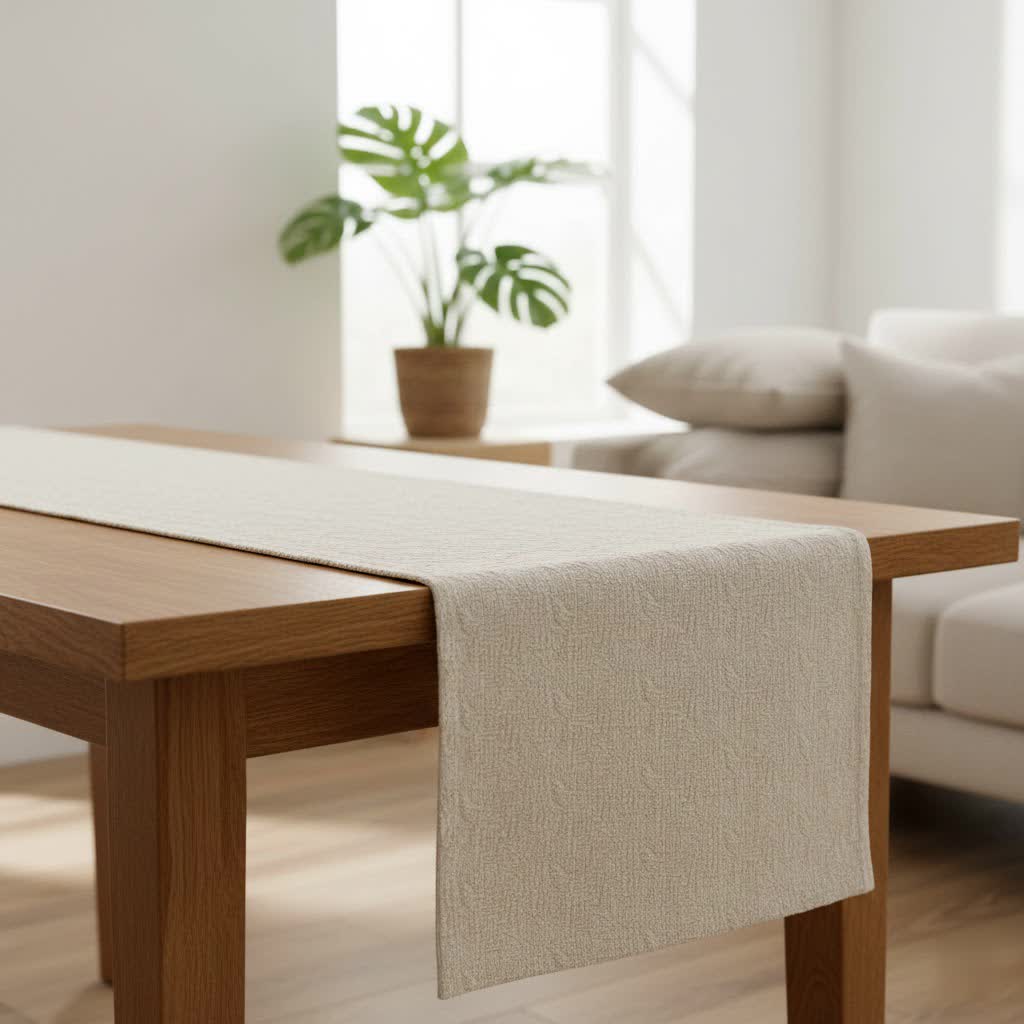
A white table cloth is far more than just a piece of fabric; it’s a statement of elegance, a canvas for culinary artistry, and a silent guardian for your precious dining surfaces. It offers a timeless sophistication that can instantly transform any meal into a special occasion, from a casual family breakfast to a grand celebratory feast. With countless options in materials, sizes, and styles, selecting the perfect white table cloth can seem daunting, but understanding the nuances will empower you to make an informed choice that enhances your home and lifestyle. This comprehensive guide will explore everything you need to know, helping you select, care for, and cherish your white table cloth for years to come.
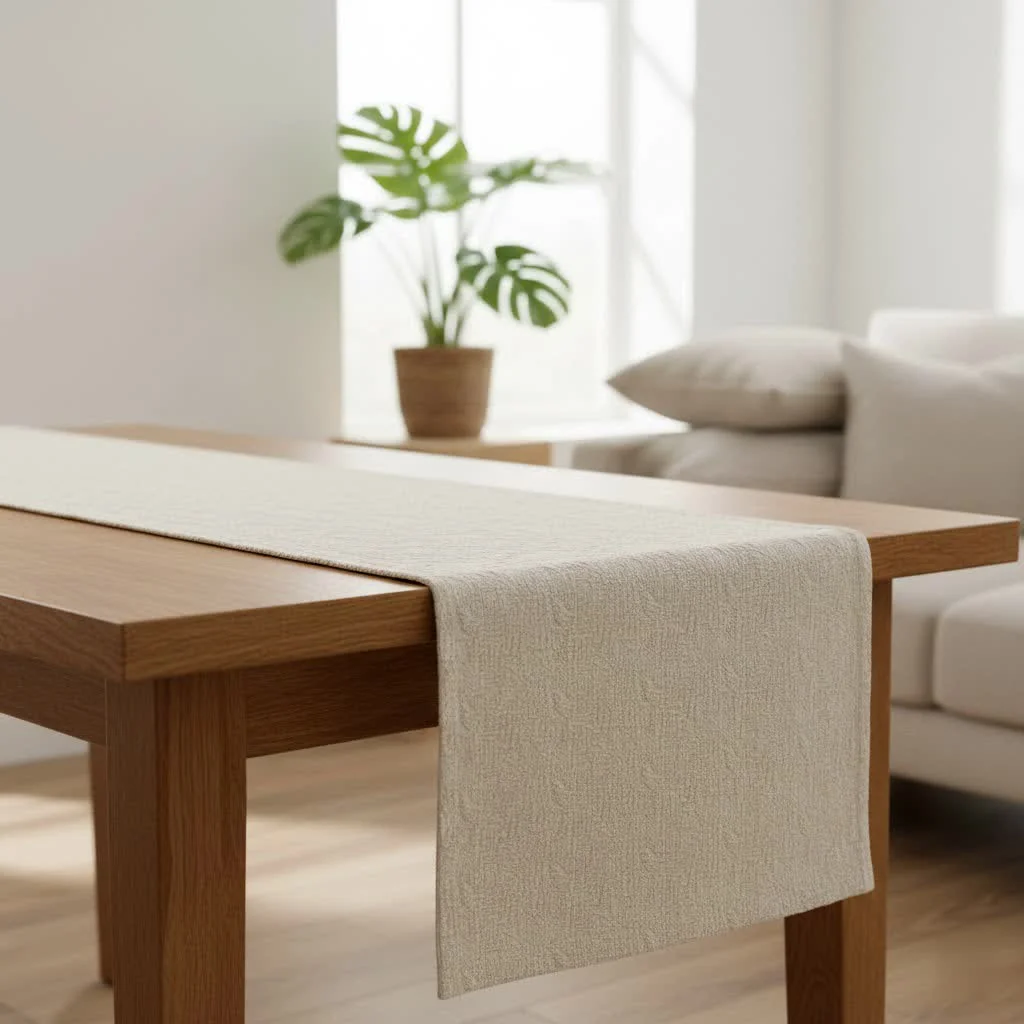
What is a White Table Cloth? Why Do You Need One?
At its core, a table cloth is a covering for a table, and a white one carries a legacy of purity, formality, and tradition. Historically, table linens date back centuries, evolving from simple protective coverings to intricate symbols of wealth and hospitality. Today, the white table cloth remains a staple, offering both practical benefits and aesthetic appeal. For shop curated tablecloths on this site.
Beyond its striking visual impact, a white table cloth provides essential protection for your table against spills, scratches, and heat damage, significantly extending its lifespan. Aesthetically, it creates a pristine backdrop that makes food and tableware truly pop, lending an air of sophistication to any setting. Whether you’re aiming for a cozy family dinner or a lavish gathering, a white table cloth fosters a warm, inviting atmosphere and can dramatically elevate the perceived quality of your dining experience.
Popular Types of White Table Cloths
The world of white table cloths is diverse, categorized primarily by the material, shape, and style, each offering distinct advantages.
By Material
The material dictates the drape, durability, care requirements, and overall feel of your table cloth.
- Cotton: A popular and versatile choice, cotton white table cloths are known for their softness, absorbency, and breathability. They are comfortable for everyday use and can be dyed or woven into various designs. However, cotton is prone to wrinkling and can be susceptible to permanent stains if not treated promptly.
- Linen: Often considered the epitome of luxury, white linen table cloths boast a beautiful drape, natural luster, and exceptional durability. Linen is naturally anti-bacterial and releases stains more easily than cotton or polyester, though it can wrinkle significantly and requires careful washing (cold water, air dry or low tumble dry) to prevent shrinkage.
- Polyester: For those prioritizing ease of care and resilience, white polyester table cloths are an excellent option. They are highly durable, stain-resistant, and wrinkle-resistant, making them perfect for busy households, outdoor dining, or commercial settings. Polyester is easy to clean and maintains its crisp appearance with minimal effort.
- Cotton-Polyester Blends: Offering a harmonious balance, these blends combine the natural feel of cotton with the durability and wrinkle-resistance of polyester. They often present a luxurious appearance without the high maintenance of pure linen, making them a practical yet elegant choice.
- PVC/Vinyl: These materials provide ultimate waterproof protection and are incredibly easy to wipe clean, making white PVC or vinyl table cloths ideal for families with young children, outdoor picnics, or casual events. While highly practical and affordable, they generally offer a less refined aesthetic than fabric options and might not be the most environmentally friendly choice.
By Shape
|
Our Picks for the Best Table Cloth in 2026
As an Amazon Associate I earn from qualifying purchases.
|
||
| Num | Product | Action |
|---|---|---|
| 1 | sancua Rectangle Tablecloth - 60 x 84 Inch - Stain and Wrinkle Resistant Washable Polyester Table Cloth, Decorative Fabric Table Cover for Dining Tables, Buffet Parties and Camping, Beige |

|
| 2 | Pureegg Plastic Table Cloth Disposable 10 Pack, 54 x 108 Inch Table Cloths, Birthday Party Decorations, Picnic, White Tablecloths, Rectangle, Colorful, Rainbow Cover, Leakproof & Sturdy, Balloon |
|
| 3 | sancua Rectangle Tablecloth - 60 x 84 Inch - Stain and Wrinkle Resistant Washable Polyester Table Cloth, Decorative Fabric Table Cover for Dining Tables, Buffet Parties and Camping, Blush |
|
| 4 | sancua Rectangle Tablecloth - 60 x 84 Inch - Stain and Wrinkle Resistant Washable Polyester Table Cloth, Decorative Fabric Table Cover for Dining Tables, Buffet Parties and Camping, Grey |
|
| 5 | sancua Rectangle Tablecloth - 60 x 84 Inch - Stain and Wrinkle Resistant Washable Polyester Table Cloth, Decorative Fabric Table Cover for Dining Tables, Buffet Parties and Camping, Black |
|
| 6 | sancua Rectangle Tablecloth - 60 x 84 Inch - Stain and Wrinkle Resistant Washable Polyester Table Cloth, Decorative Fabric Table Cover for Dining Tables, Buffet Parties and Camping, Gold |
|
| 7 | Laolitou Rustic Tablecloth Cotton Linen Waterproof Spring Tablecloth Burlap Table Cloths for Kitchen Dining Cloth Table Cloth for Rectangle Tables Coffee Lines Rectangle,55''x70'',4-6 Seats |
|
| 8 | Pureegg Plastic Table Cloth 10 Pack, 54 x 108 Inch Disposable Table Cloths for Party, Picnic and Wedding, Rectangle, White |
|
| 9 | Pureegg Plastic Table Cloth Disposable 10 Pack, 54 x 108 Inch Table Cloths, Halloween Party Decorations, Summerween Decor, Halloween Tablecloths, Rectangle, Plastic Cover, Leakproof & Sturdy, Black |
|
| 10 | sancua Rectangle Tablecloth - 60 x 84 Inch - Stain and Wrinkle Resistant Washable Polyester Table Cloth, Decorative Fabric Table Cover for Dining Tables, Buffet Parties and Camping, Burgundy |
|
Matching the table cloth shape to your table ensures a polished and proportionate look.
- Round Table Cloths: Designed for circular tables, these create a soft, flowing aesthetic.
- Square Table Cloths: Best for square tables, they can also be used on round tables for a layered or diamond-point effect.
- Rectangular Table Cloths: The most common shape, suitable for standard rectangular dining tables.
- Oval Table Cloths: Specifically cut to fit oval-shaped tables, providing a custom and elegant fit.
By Style
The versatility of a white table cloth allows it to adapt to various design aesthetics.
- Minimalist: A crisp white table cloth forms a clean, uncluttered foundation, perfect for a minimalist aesthetic, allowing simple tableware and decor to shine.
- Vintage: White lace or embroidered linen table cloths evoke a timeless, antique charm, complementing a vintage-inspired dining space.
- Modern: With sleek lines and contemporary dinnerware, a plain white table cloth can create a sophisticated and current modern look.
- Rustic/Country: Textured white cotton or linen can bring a light, airy feel to a rustic setting, especially when paired with natural elements.
Comparison Table: White Table Cloth Materials
| Material | Advantages | Disadvantages | Best Suited For | Price Range |
|---|---|---|---|---|
| Cotton | Soft, absorbent, breathable, versatile, affordable | Wrinkles easily, prone to permanent stains | Everyday dining, casual gatherings, traditional styles | Medium |
| Linen | Luxurious, durable, natural luster, anti-bacterial, releases stains easily | Wrinkles, requires careful washing, can shrink | Formal events, elegant dining, special occasions | High |
| Polyester | Stain-resistant, wrinkle-resistant, durable, easy care, affordable | Less breathable, can feel less natural | Busy households, outdoor dining, commercial use, large events | Low |
| Cotton-Poly Blend | Good balance of feel and durability, moderate wrinkle/stain resistance | Not as luxurious as linen, not as natural as cotton | Everyday elegance, family gatherings, events needing resilience | Medium |
| PVC/Vinyl | Waterproof, extremely easy to clean, highly affordable | Less elegant, less breathable, not eco-friendly | Children’s parties, outdoor picnics, highly messy environments | Low |
Guide to Choosing the Perfect White Table Cloth
Selecting the right white table cloth involves careful consideration of several factors to ensure it meets your needs and complements your space.
Determine Table Size and Desired Drop Length
The first step is accurate measurement. Measure the length and width (or diameter for round tables) of your table. To determine the ideal table cloth size, you’ll need to decide on your desired “drop”—the amount of fabric that hangs over the edge of the table. For casual settings, a drop of 6-8 inches is often sufficient. For a more formal look, aim for a 10-12 inch drop, while very elaborate occasions or floor-length aesthetics might require a 15-30 inch drop. Calculate by adding twice the desired drop to both the length and width (or diameter) of your table. For instance, a 48″ round table needing a 12″ drop would require a 72” round tablecloth (48 + 12 + 12 = 72).
Match Material to Purpose
Consider how the table cloth will be used. For daily meals with potential spills, a durable and easy-to-clean material like polyester or a cotton-poly blend is ideal. If you’re hosting formal dinners, the elegant drape and feel of linen or high-quality cotton might be preferred. For outdoor events or parties with children, waterproof PVC or vinyl options offer unparalleled practicality.
Consider Style and Aesthetics
White table cloths are incredibly versatile, serving as a neutral base that enhances any decor. While the color is consistent, the texture and weave of the fabric can add subtle style. A crisp, smooth linen suggests formality, while a textured cotton can evoke a more relaxed, rustic charm. White complements virtually any color scheme or decorative elements, making it an excellent choice for adaptability.
Evaluate Durability and Care
Think about how often you plan to use and wash your table cloth. For frequent use, prioritize materials that are machine washable, stain-resistant, and don’t require extensive ironing. Check for quality construction, such as double-stitched hems and reinforced corners, which indicate better durability and longevity, especially if you intend to reuse them frequently.
Read Reviews from Other Users
Before making a purchase, take time to read online reviews from other customers. Their experiences can provide valuable insights into the product’s actual quality, durability, and how well it holds up to washing and daily use, helping you gauge satisfaction and avoid potential issues.
Tips for Cleaning and Storing White Table Cloths
Maintaining the pristine appearance of a white table cloth requires specific care, especially when dealing with inevitable spills and stains.
Pre-treating Stains
Prompt action is key when tackling stains on white fabrics. For general spots, apply a little liquid laundry detergent directly to the stain and gently rub it in. For specific types of stains:
- Grease Stains: After blotting excess oil, sprinkle cornstarch or baking soda to absorb it, let it sit for 15 minutes, then brush off. Apply a few drops of grease-fighting dish soap, gently rub, let sit for 15 minutes, then rinse with cold water.
- Red Wine Stains: Blot immediately. Sprinkle generously with salt to absorb the wine, let it sit, then rinse with cold water. If the stain persists, a solution of one tablespoon of white vinegar with one tablespoon of liquid dish soap in two cups of warm water can be applied.
- Stubborn or Yellowed Whites: For white cotton, linen, or synthetic fabrics that are dingy or yellowed, a solution of warm water and oxygen bleach powder (following product directions) can be effective. Submerge the linen and allow it to soak overnight before washing as usual. For white cotton or poly/cotton blends, Clorox Disinfecting Bleach can be used for pre-soaking after detergent pre-treatment.
Washing Instructions
Most table cloths are machine washable, but always check the care label as instructions vary by material.
- Linen: Wash in cold or lukewarm water with a mild detergent. Avoid high heat as linen can shrink. Air dry or tumble dry on low.
- Cotton: Warm water is generally fine for cotton. For tough stains, pre-treat with a baking soda paste. Dry until damp, then iron while still warm.
- Polyester: The easiest to care for, wash in cold water with a low dryer setting. Remove promptly to prevent wrinkles.
- General Tip: Use a cold water cycle and permanent press setting for most table linens. Wash at least once a month, or more frequently if soiled, to keep them looking their best.
Ironing and Storage
Proper ironing and storage contribute significantly to the longevity and presentation of your white table cloth.
- Ironing: Iron linen on high heat while it’s still damp to release wrinkles effectively. Cotton is best ironed while slightly damp and warm. Polyester often requires minimal to no ironing due to its wrinkle-resistant properties.
- Storage: To prevent creases and keep your table cloths fresh, store them flat, rolled around a cardboard tube, or neatly folded in a clean, dry cupboard. Avoid storing in plastic bags long-term, which can trap moisture and cause yellowing.
Choosing Quality Table Cloth Providers
While specific brand recommendations can vary widely by region and availability, focusing on the qualities of a reputable provider is crucial for finding the best white table cloths. Look for suppliers who emphasize transparency about their materials, providing detailed information on fabric composition, weave, and care instructions. Reliable providers often feature strong customer service, clear return policies, and positive customer reviews that attest to the product’s durability and stain resistance over time. Prioritize companies known for their commitment to quality craftsmanship, offering fabrics that maintain their integrity and bright white appearance through countless washes and uses. Investing in a white table cloth from a trusted source ensures you receive a product that not only looks beautiful but also withstands the rigors of daily life and special occasions.
“A beautiful tablecloth can transform an ordinary meal into a special occasion.” – Nguyen Thi An, Interior Design Expert
Conclusion
A white table cloth is an enduring symbol of elegance and a cornerstone for creating memorable dining experiences. By understanding the different materials available, how to correctly size your cloth, and the best practices for cleaning and care, you can choose a white table cloth that perfectly suits your lifestyle and aesthetic preferences. Whether you opt for the casual comfort of cotton, the luxurious drape of linen, or the practical durability of polyester, a pristine white table cloth promises to elevate your table setting and protect your furniture. It’s an investment in both style and functionality, capable of transforming any space into an inviting haven. Which occasion will you elevate with a pristine white table cloth next?
Frequently Asked Questions
What is the best material for an everyday white tablecloth?
For everyday use, polyester or a cotton-polyester blend is often recommended. Polyester is highly durable, stain-resistant, and wrinkle-resistant, making it easy to clean and maintain, even with frequent use. Cotton-poly blends offer a good balance of natural feel and practicality, resisting wrinkles and stains better than pure cotton.
How do I keep my white tablecloth bright and free from yellowing?
To keep white tablecloths bright, pre-treat any stains promptly and wash them regularly. For dingy or yellowed white cotton, linen, or synthetic fabrics, a soak in a warm water and oxygen bleach solution overnight can restore brightness. For cotton/poly blends, diluted Clorox Disinfecting Bleach can be used for a short pre-soak.
Can white linen tablecloths be machine washed?
Yes, white linen tablecloths can be machine washed. For best results, use cold or lukewarm water with a mild detergent and select a gentle cycle. It’s crucial to air dry linen or tumble dry on a low setting, as high heat can cause shrinkage. Ironing while still damp helps to release wrinkles.
What’s the ideal drop length for a formal white tablecloth?
For a formal white tablecloth, a drop length of 15 to 30 inches, or even floor-length, is typically ideal. This longer drop creates a more dramatic and elegant effect, enhancing the sophisticated ambiance of the occasion. For less formal settings, a 10-12 inch drop is usually sufficient.
How do restaurants keep their white tablecloths so clean?
Restaurants often employ specialized detergents with high peroxide content or use bleaching agents on white linens to effectively remove stains and maintain a bright appearance. They also pre-treat stains immediately and have rigorous commercial laundering processes designed for frequent use and stubborn food and drink marks.
Get our weekly buyer guide
Practical specs, not advice. Unsubscribe anytime.
