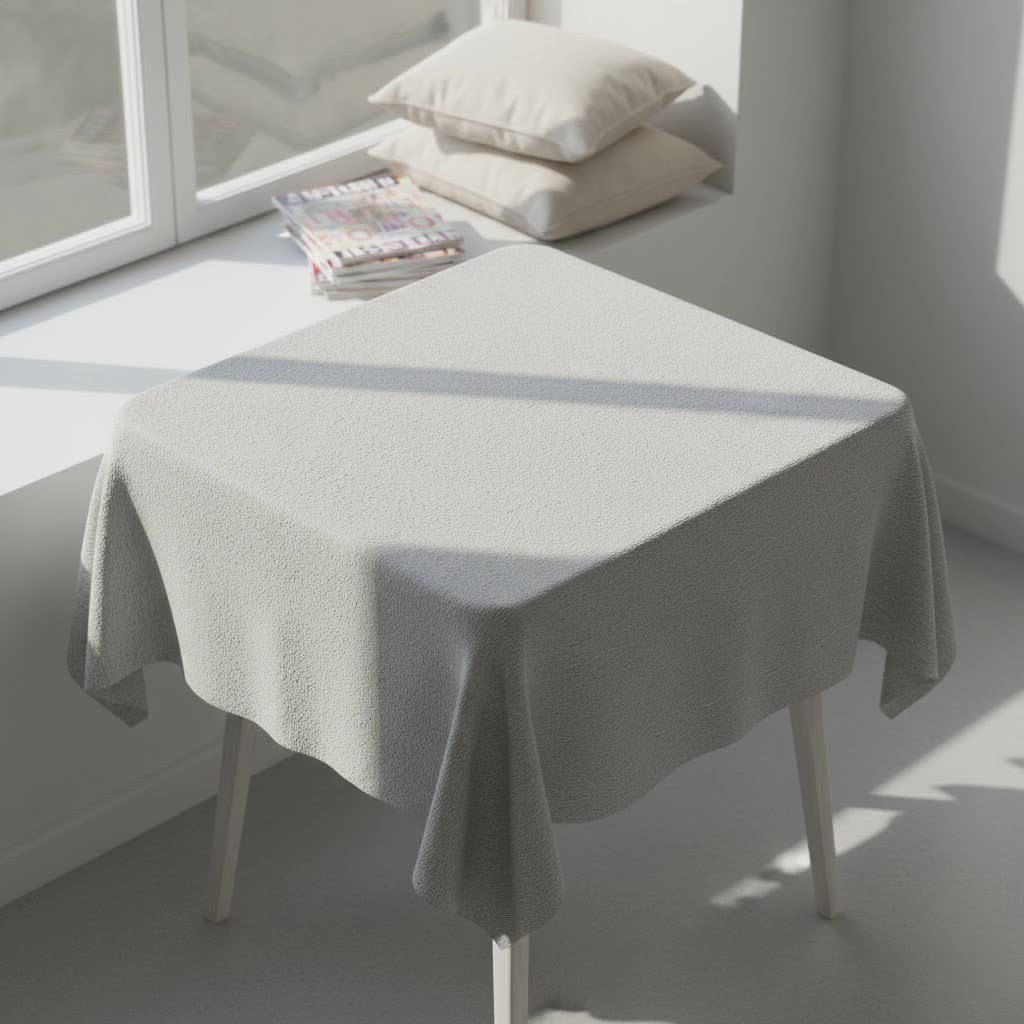
A pristine white tablecloth can transform any dining experience, from casual family meals to elegant celebrations. It serves as a versatile canvas, elevating your decor and protecting your furniture with timeless grace. Whether you’re hosting a grand dinner party or simply enjoying breakfast, a well-chosen white tablecloth adds an undeniable touch of sophistication and warmth to your home. This comprehensive guide will explore everything you need to know about selecting, styling, and maintaining the perfect white tablecloth for your space.
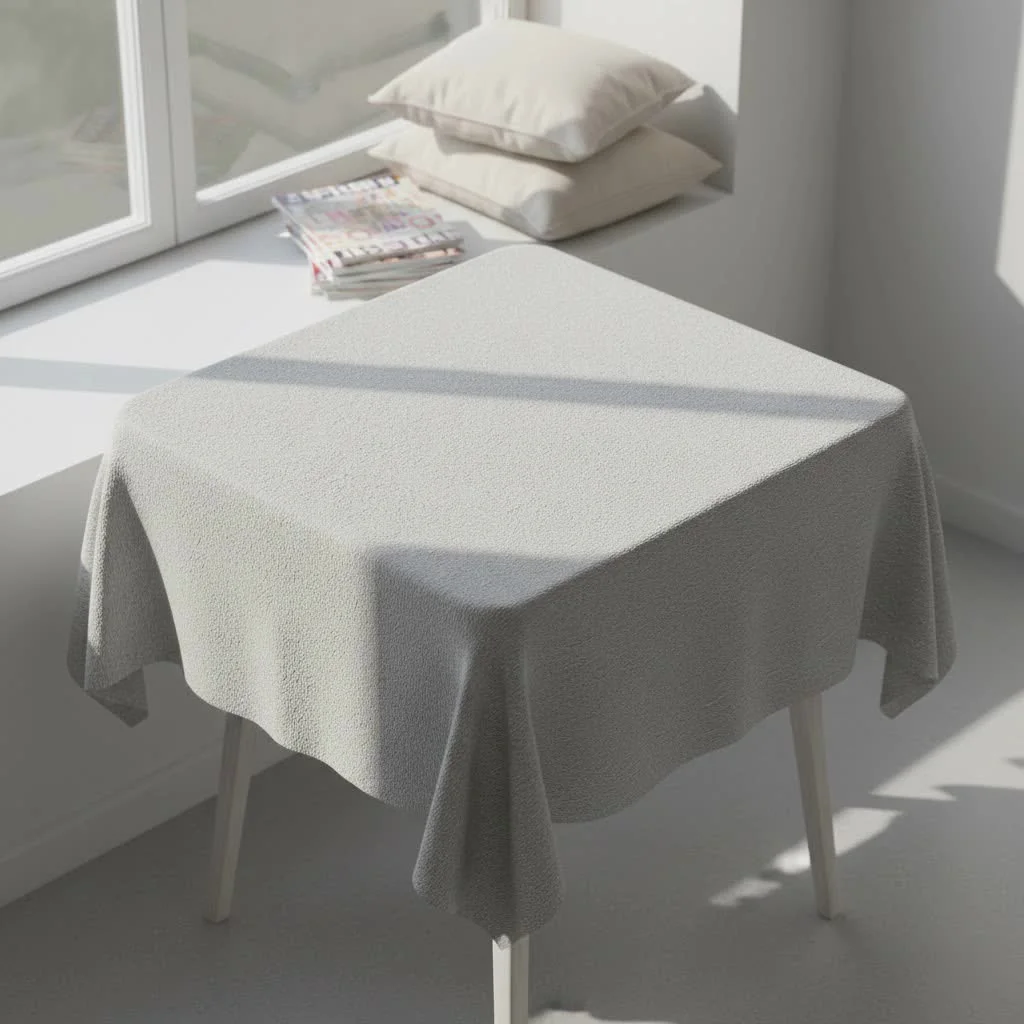
What is a White Tablecloth? Why Do You Need One?
At its heart, a white tablecloth is a fabric covering designed to drape over a table. Historically, white linens symbolized purity, cleanliness, and luxury, making them a staple in formal dining settings for centuries. Even today, the enduring appeal of white lies in its ability to create a sense of calm, spaciousness, and understated elegance.
Beyond aesthetics, white tablecloths offer numerous practical benefits. They protect your table from spills, scratches, and heat damage, extending its lifespan and preserving its finish. They also provide a neutral backdrop that makes colorful dishes, floral arrangements, and decorative centerpieces truly pop, allowing your culinary creations and decor to shine. Furthermore, a white tablecloth can instantly unify a diverse collection of dinnerware, making your table setting appear cohesive and thoughtfully curated, regardless of the occasion.
Exploring the World of White Tablecloths
White tablecloths come in a fascinating array of materials, shapes, and styles, each offering unique characteristics that cater to different needs and preferences. Understanding these variations is key to finding the perfect fit for your home and lifestyle.
By Material
The material of your white tablecloth dictates its drape, durability, care requirements, and overall aesthetic.
- Cotton: Cotton is a perennial favorite for white tablecloths due to its natural fibers, softness, and excellent absorbency. It’s breathable and durable, making it ideal for everyday use and family gatherings. While cotton tablecloths are generally easy to wash, they can be prone to wrinkling and may require ironing to maintain a crisp look.
- Linen: For a touch of understated luxury, white linen tablecloths are unmatched. Derived from the flax plant, linen boasts a beautiful natural texture, exceptional strength, and a crisp yet soft feel that becomes even softer with age. It’s highly absorbent and quick-drying, making it a sustainable choice. Linen does tend to wrinkle easily, but these natural creases often add to its sophisticated, lived-in charm.
- Polyester: Polyester is a synthetic fabric prized for its practicality and resilience. White polyester tablecloths are known for being incredibly durable, wrinkle-resistant, and often stain-resistant, making them a top choice for busy households, outdoor dining, and commercial settings like restaurants and events. They are easy to clean and maintain, holding their crisp white color even after numerous washes.
- PVC/PEVA/Vinyl: These materials offer maximum protection against spills and are incredibly easy to wipe clean, making them perfect for meals with young children or outdoor picnics. White plastic-based tablecloths are typically waterproof and highly affordable, though they may lack the luxurious feel and drape of natural fabrics. They are often chosen for their convenience and disposable or low-maintenance nature.
- Lace: A white lace tablecloth exudes delicate elegance and romance. Often used as an overlay or for decorative accents, lace adds intricate patterns and a touch of vintage charm. While beautiful, lace tablecloths are typically more delicate and may require gentle handling and special care during washing to prevent snagging or damage.
By Shape
|
Our Picks for the Best Table Cloth in 2026
As an Amazon Associate I earn from qualifying purchases.
|
||
| Num | Product | Action |
|---|---|---|
| 1 | Pureegg Plastic Table Cloth Disposable 10 Pack, 54 x 108 Inch Table Cloths, Birthday Party Decorations, Picnic, White Tablecloths, Rectangle, Colorful, Rainbow Cover, Leakproof & Sturdy, Balloon |

|
| 2 | sancua Rectangle Tablecloth - 60 x 84 Inch - Stain and Wrinkle Resistant Washable Polyester Table Cloth, Decorative Fabric Table Cover for Dining Tables, Buffet Parties and Camping, Grey |
|
| 3 | Pureegg Plastic Table Cloth Disposable 10 Pack, 54 x 108 Inch Table Cloths, Halloween Party Decorations, Summerween Decor, Halloween Tablecloths, Rectangle, Plastic Cover, Leakproof & Sturdy, Black |
|
| 4 | sancua Rectangle Tablecloth - 60 x 84 Inch - Stain and Wrinkle Resistant Washable Polyester Table Cloth, Decorative Fabric Table Cover for Dining Tables, Buffet Parties and Camping, Burgundy |
|
| 5 | sancua Rectangle Tablecloth - 60 x 84 Inch - Stain and Wrinkle Resistant Washable Polyester Table Cloth, Decorative Fabric Table Cover for Dining Tables, Buffet Parties and Camping, Beige |
|
| 6 | Laolitou Rustic Tablecloth Cotton Linen Waterproof Spring Tablecloth Burlap Table Cloths for Kitchen Dining Cloth Table Cloth for Rectangle Tables Coffee Lines Rectangle,55''x70'',4-6 Seats |
|
| 7 | Pureegg Plastic Table Cloth 10 Pack, 54 x 108 Inch Disposable Table Cloths for Party, Picnic and Wedding, Rectangle, White |
|
| 8 | sancua Rectangle Tablecloth - 60 x 84 Inch - Stain and Wrinkle Resistant Washable Polyester Table Cloth, Decorative Fabric Table Cover for Dining Tables, Buffet Parties and Camping, Black |
|
| 9 | sancua Rectangle Tablecloth - 60 x 84 Inch - Stain and Wrinkle Resistant Washable Polyester Table Cloth, Decorative Fabric Table Cover for Dining Tables, Buffet Parties and Camping, Gold |
|
| 10 | sancua Rectangle Tablecloth - 60 x 84 Inch - Stain and Wrinkle Resistant Washable Polyester Table Cloth, Decorative Fabric Table Cover for Dining Tables, Buffet Parties and Camping, Blush |
|
The shape of your tablecloth should ideally complement the shape of your table, ensuring a proper drape and visual harmony.
- Round Tablecloths: Designed for circular tables, these create a soft, flowing look.
- Square Tablecloths: Perfect for square tables, they can also be used diagonally on round tables for a unique layered effect.
- Rectangular Tablecloths: The most common shape, fitting oblong tables and providing ample coverage.
- Oval Tablecloths: Tailored for oval-shaped tables, they follow the contours for a neat and elegant finish.
By Style
The beauty of a white tablecloth is its versatility, allowing it to adapt to almost any decor style.
- Minimalist: A plain white tablecloth provides a clean, uncluttered foundation, allowing simple tableware and decor to take center stage.
- Vintage: White lace, embroidered cotton, or soft linen tablecloths evoke a sense of nostalgia and old-world charm, especially when paired with antique dinnerware.
- Modern: Crisp white polyester or a smoothly ironed cotton tablecloth can perfectly complement a contemporary dining space, particularly when accented with bold colors or metallic elements.
- Rustic: A textured white linen or a slightly rumpled cotton tablecloth can lend a relaxed, natural feel, enhancing a farmhouse or country-inspired setting.
Comparison Table: Popular White Tablecloth Materials
Choosing the right white tablecloth often comes down to balancing aesthetic appeal with practical considerations. Here’s a quick comparison of the most popular materials:
| Material | Pros | Cons | Best For | Price (Relative) |
|---|---|---|---|---|
| Cotton | Soft, absorbent, breathable, versatile | Wrinkles easily, can stain, may shrink | Everyday use, casual dining, family with kids | Medium |
| Linen | Luxurious, strong, natural texture, elegant | Prone to wrinkles, higher cost, can shrink | Formal occasions, vintage style, sophisticated settings | High |
| Polyester | Durable, wrinkle-resistant, stain-resistant, easy care, colorfast | Less breathable, can feel synthetic, not as absorbent | Busy households, outdoor, events, commercial use | Low to Medium |
| PVC/Vinyl | Waterproof, extremely easy to clean, highly affordable | Less elegant, plastic feel, not eco-friendly | Kids’ parties, outdoor picnics, messy activities | Very Low |
| Lace | Delicate, elegant, decorative, romantic | Fragile, difficult to clean, higher maintenance | Decorative overlays, special occasions, formal teas | Medium to High |
Guide to Choosing the Perfect White Tablecloth
Selecting a white tablecloth may seem straightforward, but a few key considerations will ensure you find one that perfectly meets your needs and enhances your dining space.
Determine Table Size and Desired Drop Length
Accurate measurements are crucial. Measure the length and width (or diameter for round tables) of your table. Then, decide on your desired “drop length” – how far the tablecloth hangs down from the edge of the table.
- Casual Settings: A drop of 6 to 12 inches on each side is generally suitable for everyday meals.
- Formal Occasions: For a more elegant look, aim for a drop of 15 to 30 inches, or even floor-length (a “puddle” effect).
- Calculation: For rectangular/square tables, add twice the desired drop to both the length and width of your table. For round tables, add twice the desired drop to the table’s diameter. For example, a 60-inch round table with a desired 15-inch drop would require a 90-inch round tablecloth (60 + 15 + 15 = 90).
Match Material to Purpose
Consider how frequently you’ll use the tablecloth and for what types of occasions.
- Everyday Dining: Opt for durable, easy-to-clean materials like polyester or a cotton-polyester blend. These resist stains and wrinkles, making daily maintenance a breeze.
- Formal Events: Linen or high-quality cotton tablecloths are excellent choices for their luxurious feel and elegant drape.
- Outdoor Use: Polyester or vinyl tablecloths are ideal as they are often water-resistant and hold up well against the elements.
- Families with Children: PVC/vinyl or coated polyester offers superior spill protection and effortless cleanup.
Consider Color Consistency and Hue
While “white” seems singular, there are nuances. Some white tablecloths are a bright, stark white, offering a crisp, contemporary feel. Others may have a softer, slightly off-white or ivory hue, which can lend a warmer, more traditional, or natural aesthetic. Consider how the specific shade of white will complement your existing dinnerware, lighting, and room decor. Polyester tends to maintain a pure, crisp white, while linen might have a softer, more natural tone that can subtly evolve over time.
Evaluate Durability and Ease of Care
Check the care instructions for any tablecloth you consider. For longevity, look for materials known for their durability, such as high-quality cotton, linen, or polyester. Ensure the fabric is machine washable if you intend to use it frequently, as this will save you significant time and effort. Double-stitched hems and reinforced corners can indicate higher quality and greater durability, especially if you plan on reusing the tablecloth for many years.
Refer to User Reviews
Before making a final purchase, especially for online shopping, take the time to read customer reviews. These can offer valuable insights into the actual performance of the tablecloth, including how it holds up after washing, its stain resistance, and the accuracy of its color and size descriptions.
Tips for Cleaning and Maintaining Your White Tablecloth
A white tablecloth is an investment in elegance, and proper care ensures it remains pristine for years to come. Dealing with spills and maintaining its brilliant white color requires a few key techniques.
General Washing Guidelines
Always check the care label first, as specific instructions may vary by material.
- Cotton and Polyester: Most can be machine washed in warm water with a mild detergent. For white fabrics, you can often use a gentle cycle with a color-safe bleach or oxygen booster to maintain brightness.
- Linen: Wash in cold or lukewarm water with a mild detergent to prevent shrinkage and preserve its delicate fibers. Air drying or tumble drying on low heat is recommended.
- Lace: Hand wash or use a delicate cycle in a mesh laundry bag with cold water and a gentle detergent.
- PVC/Vinyl: Simply wipe clean with a damp cloth and mild soap.
Tackling Stubborn Stains
Speed is crucial when dealing with stains on white fabric. The sooner you act, the better your chances of complete removal.
- Pre-treatment: For most stains, apply a small amount of liquid laundry detergent directly to the stain and gently rub it in. Let it sit for 10-15 minutes before washing. For older or tougher stains, a pre-soak in a solution of warm water and an oxygen-based cleaner can work wonders.
- Red Wine: Blot immediately with a clean cloth – do not rub. Pour club soda or even white wine directly onto the stain to help lift the pigment. A paste of baking soda and water can also be applied. Then, wash in warm water.
- Grease and Oil: Apply a grease-fighting liquid dish soap directly to the stain. Gently rub it in and let it sit for about 15 minutes to allow the soap to break down the oil. Wash in the hottest water safe for the fabric.
- Coffee/Tea/Fruit Juice (Tannin Stains): Rinse the stained area with cold water. Create a solution of one tablespoon of white vinegar and one tablespoon of liquid dish soap in two cups of warm water. Apply with a sponge and blot until the stain lifts.
- Candle Wax: Allow the wax to harden completely (you can use an ice pack to speed this up). Gently scrape off as much wax as possible with a dull knife. Place a paper towel or a clean, lint-free cloth over the remaining wax and iron over it on a low setting (no steam). The heat will transfer the wax to the paper towel. Repeat with fresh paper towel sections until the wax is gone, then wash.
- To Whiten Dingy Tablecloths: For cotton or polyester blends, a bleach soak can restore brightness. Mix 1/4 cup of Clorox™ Disinfecting Bleach per gallon of water and soak the tablecloth for 5 minutes before washing. Alternatively, adding a few tablespoons of baking soda to your wash cycle can help brighten and deodorize.
Important Note: Never put a stained tablecloth in the dryer. Heat can set stains, making them much harder, if not impossible, to remove. Always confirm the stain is gone before drying.
Ironing and Storage
- Ironing: Many white tablecloths, especially cotton and linen, look best when ironed. Iron them while they are still slightly damp for the smoothest finish. Using steam can also help remove wrinkles effectively.
- Storage: Store your clean, dry tablecloths in a cool, dark place to prevent yellowing or mildew. Folding them carefully or rolling them around a cardboard tube can help minimize creases.
Conclusion
A white tablecloth is far more than just a piece of fabric; it’s a foundation for memories, a protector of cherished furniture, and a symbol of timeless style. From the natural elegance of linen to the practical resilience of polyester, there’s a perfect white tablecloth for every home and every occasion. By understanding the different materials, shapes, and care requirements, you can make an informed choice that brings both beauty and functionality to your dining space. With proper selection and diligent care, your white tablecloth will continue to serve as a stunning centerpiece, enhancing your meals and gatherings for many years to come.
What stories will your impeccably set white table tell next?
Frequently Asked Questions
Which material is best for an everyday white tablecloth?
For an everyday white tablecloth, polyester or a cotton-polyester blend is often considered the best choice. These materials are highly durable, resistant to wrinkles and stains, and generally easy to machine wash and maintain, making them practical for frequent use and busy households.
How do I keep my white tablecloth from yellowing?
To prevent your white tablecloth from yellowing, always wash it thoroughly to remove all food residues and detergents. Store it in a cool, dark place away from direct sunlight or fluorescent lights, as these can cause discoloration. Using an oxygen-based brightener during washing or occasionally soaking with a small amount of bleach (for appropriate fabrics) can also help maintain its pristine white color.
How to remove red wine stains from a white tablecloth?
To remove red wine stains, act quickly. Blot the stain gently with a clean cloth; do not rub. Pour club soda or even white wine directly onto the stain to help lift the pigment. Alternatively, apply a paste of baking soda and water. Let it sit briefly, then wash the tablecloth in warm water with your regular detergent. Ensure the stain is completely gone before drying.
Get our weekly buyer guide
Practical specs, not advice. Unsubscribe anytime.
