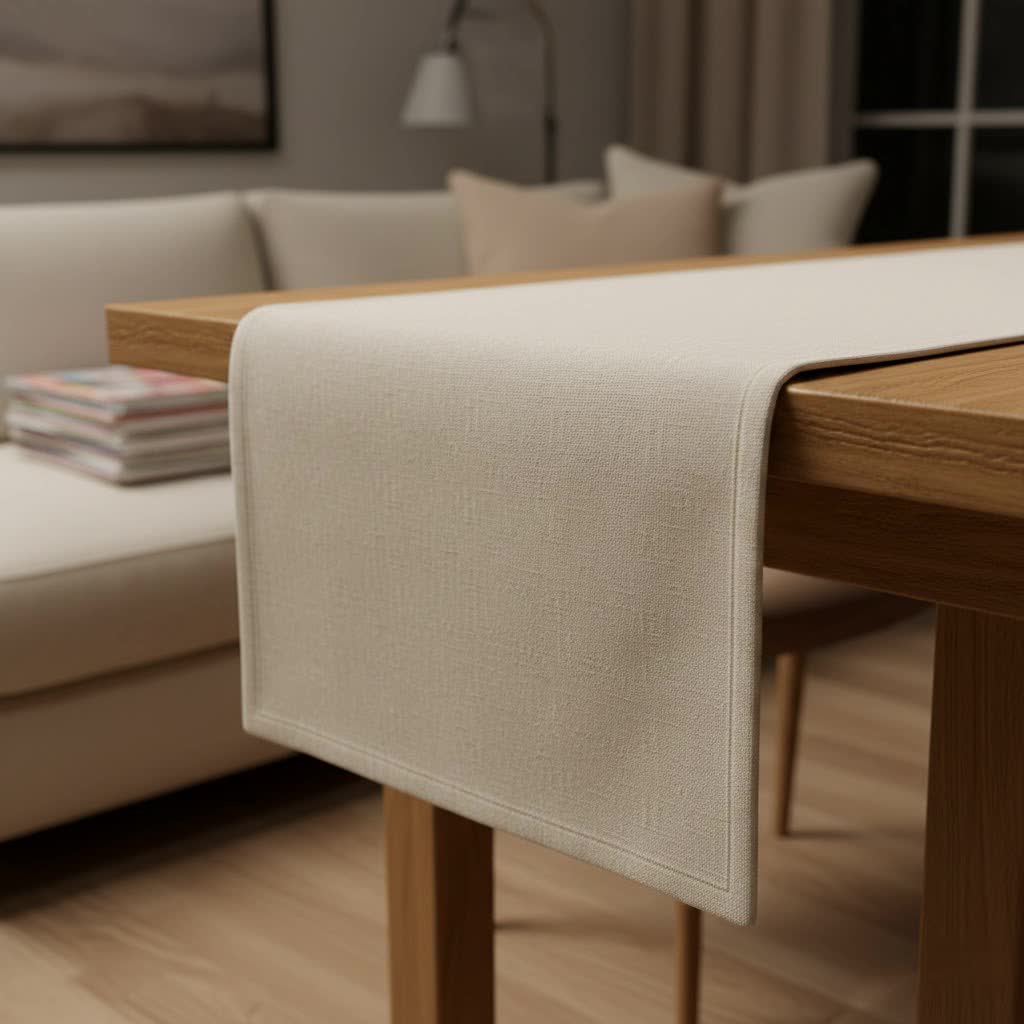
Are you tired of constantly worrying about spills and stains on your beautiful round table? Imagine a solution that offers superior protection, effortless cleanup, and a touch of style, all without the fuss of traditional fabric. A round plastic tablecloth is precisely that answer, transforming your dining experience and simplifying your routine. Perfect for busy households, lively gatherings, or outdoor entertaining, these versatile covers ensure your table remains pristine while adding a pop of color or a clear, protective layer. Let’s explore the world of round plastic tablecloths and discover how to choose, use, and care for the ideal one for your home.
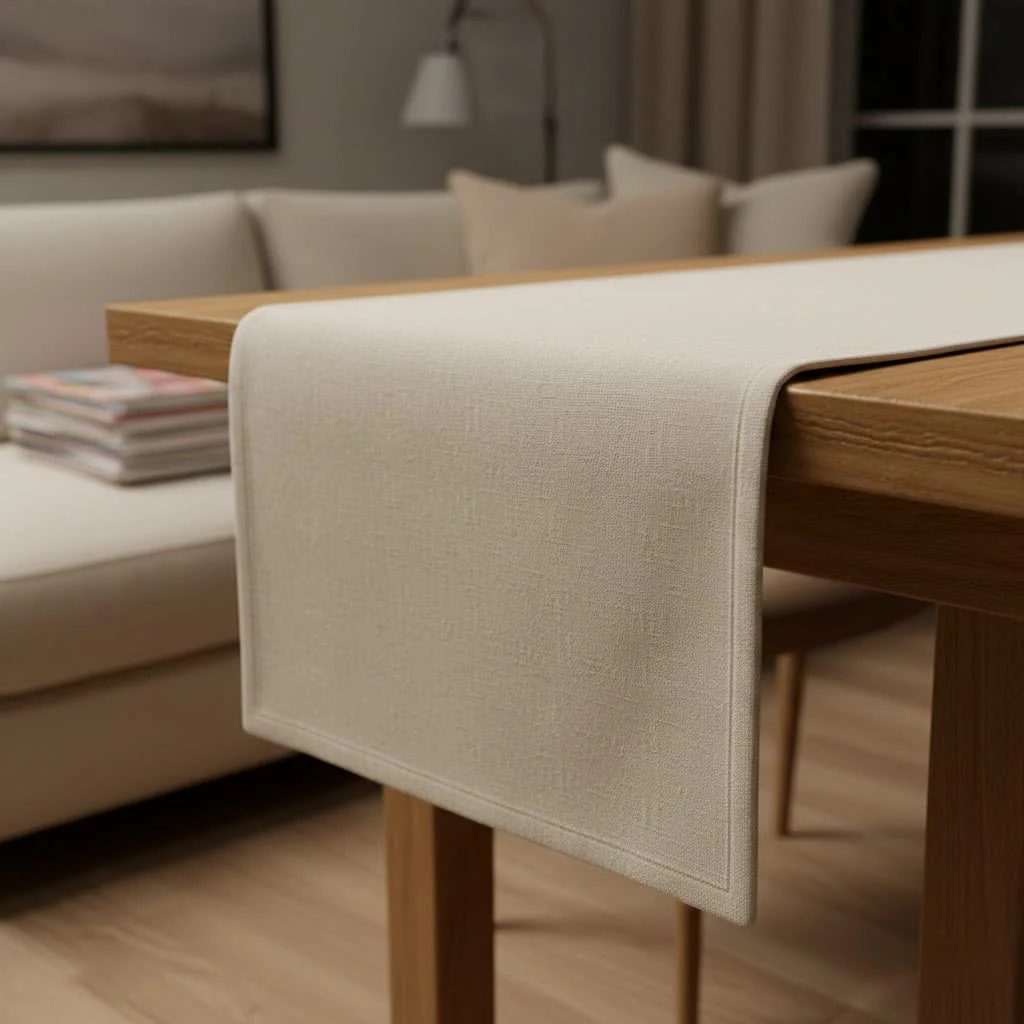
What is a Round Plastic Tablecloth? Why Do You Need One?
A round plastic tablecloth is a protective and decorative covering specifically designed for circular tables, made from various synthetic materials like PVC or vinyl. Unlike traditional fabric tablecloths, these practical covers are engineered for durability and ease of maintenance. Historically, tablecloths served primarily to protect furniture and collect food scraps. Modern plastic versions continue this tradition with enhanced functionality, offering a waterproof barrier against spills, scratches, and everyday wear and tear. Their main appeal lies in their ability to shield your table from damage, maintain hygiene with simple wipe-clean surfaces, and enhance your decor, particularly in casual, outdoor, or high-traffic settings where practicality is paramount.
Popular Types of Round Plastic Tablecloths
Round plastic tablecloths come in a variety of materials, each offering distinct characteristics, and are, of course, specifically shaped to fit circular tables. Understanding these differences will help you choose the best option for your needs.
By Material:
- PVC (Polyvinyl Chloride): These are common and often the most affordable. PVC tablecloths are inherently smooth, waterproof, and come in a vast array of colors and patterns, from vibrant solids to intricate designs. They are excellent for everyday use, especially in kitchens or areas with children, due to their easy wipe-clean surface. However, some thinner PVC options can be semi-transparent, potentially requiring a double layer for full opacity, and they generally have lower heat resistance compared to other materials.
- Vinyl: Often used interchangeably with PVC, “vinyl” is a broader term encompassing PVC. Vinyl tablecloths typically share the waterproof and easy-to-clean qualities of PVC. Many vinyl tablecloths, particularly those designed for more durability, feature a flannel backing. This soft, non-slip backing not only adds weight, helping the tablecloth stay in place and preventing it from blowing away in outdoor settings, but also provides an extra layer of cushioning to protect your table from scratches and impacts. Flannel-backed vinyl offers a slightly more substantial feel and improved tabletop protection.
- Oilcloth: Traditionally, oilcloth was heavy cotton fabric treated with linseed oil. Modern oilcloths are typically cotton or linen fabric coated with PVC or vinyl. This construction combines the natural drape and feel of a fabric with the waterproof, wipe-clean benefits of plastic. Oilcloths are generally more durable than pure plastic films and often feature more sophisticated patterns, making them a good choice for those who desire both protection and a more decorative, less “plastic” look. They tend to be thicker and offer better table protection than simple PVC.
By Shape:
While the focus here is on round plastic tablecloths, it’s worth noting their versatility. Round plastic tablecloths are available in numerous diameters to suit various table sizes, from small bistro tables to large banquet rounds. Common sizes include 48-inch, 60-inch, 72-inch, and 84-inch diameters, ensuring a perfect fit with the desired overhang.
By Style:
- Disposable Plastic Tablecloths: These are typically thinner, lightweight PVC or PEVA options, ideal for single-use occasions like birthday parties, picnics, or large events where quick cleanup is a priority. They come in a multitude of colors and themed prints.
- Reusable Plastic Tablecloths: Made from thicker PVC, flannel-backed vinyl, or oilcloth, these are designed for repeated use. They are more durable and come in a wider range of solid colors, subtle textures, or sophisticated patterns that can complement various home decors. Clear plastic tablecloths also fall into this category, providing protection while allowing the beauty of your table to show through.
Comparison Table: Plastic Tablecloth Materials
|
Our Picks for the Best Table Cloth in 2026
As an Amazon Associate I earn from qualifying purchases.
|
||
| Num | Product | Action |
|---|---|---|
| 1 | Pureegg Plastic Table Cloth 10 Pack, 54 x 108 Inch Disposable Table Cloths for Party, Picnic and Wedding, Rectangle, White |

|
| 2 | Pureegg Plastic Table Cloth Disposable 10 Pack, 54 x 108 Inch Table Cloths, Halloween Party Decorations, Summerween Decor, Halloween Tablecloths, Rectangle, Plastic Cover, Leakproof & Sturdy, Black |
|
| 3 | sancua Rectangle Tablecloth - 60 x 84 Inch - Stain and Wrinkle Resistant Washable Polyester Table Cloth, Decorative Fabric Table Cover for Dining Tables, Buffet Parties and Camping, Gold |
|
| 4 | sancua Rectangle Tablecloth - 60 x 84 Inch - Stain and Wrinkle Resistant Washable Polyester Table Cloth, Decorative Fabric Table Cover for Dining Tables, Buffet Parties and Camping, Beige |
|
| 5 | sancua Rectangle Tablecloth - 60 x 84 Inch - Stain and Wrinkle Resistant Washable Polyester Table Cloth, Decorative Fabric Table Cover for Dining Tables, Buffet Parties and Camping, Blush |
|
| 6 | sancua Rectangle Tablecloth - 60 x 84 Inch - Stain and Wrinkle Resistant Washable Polyester Table Cloth, Decorative Fabric Table Cover for Dining Tables, Buffet Parties and Camping, Black |
|
| 7 | Laolitou Rustic Tablecloth Cotton Linen Waterproof Spring Tablecloth Burlap Table Cloths for Kitchen Dining Cloth Table Cloth for Rectangle Tables Coffee Lines Rectangle,55''x70'',4-6 Seats |
|
| 8 | sancua Rectangle Tablecloth - 60 x 84 Inch - Stain and Wrinkle Resistant Washable Polyester Table Cloth, Decorative Fabric Table Cover for Dining Tables, Buffet Parties and Camping, Burgundy |
|
| 9 | sancua Rectangle Tablecloth - 60 x 84 Inch - Stain and Wrinkle Resistant Washable Polyester Table Cloth, Decorative Fabric Table Cover for Dining Tables, Buffet Parties and Camping, Grey |
|
| 10 | Pureegg Plastic Table Cloth Disposable 10 Pack, 54 x 108 Inch Table Cloths, Birthday Party Decorations, Picnic, White Tablecloths, Rectangle, Colorful, Rainbow Cover, Leakproof & Sturdy, Balloon |
|
| Material | Advantages | Disadvantages | Best For | Price Range |
|---|---|---|---|---|
| PVC | Smooth, waterproof, wipeable, wide pattern/color variety, affordable | Can be thin/transparent, prone to watermarks, lower heat resistance | Everyday casual dining, kids’ crafts | Low |
| Vinyl (Flannel-backed) | Durable, tear-resistant, extra table protection, stays put, waterproof | Less elegant than fabric, can be bulky, less breathable | Outdoor gatherings, high-traffic areas, heavy use | Medium |
| Oilcloth (PVC-coated cotton) | Combines fabric drape with plastic protection, durable, more decorative | Higher cost than pure plastic, may not be as heat resistant as some fabrics | Decorative dining, craft tables, family meals | Medium-High |
Guide to Choosing the Right Round Plastic Tablecloth
Selecting the perfect round plastic tablecloth involves considering your table’s dimensions, the intended use, and your aesthetic preferences.
1. Determine Your Table’s Size and Desired Overhang:
Accurate measurement is crucial for a well-fitting tablecloth.
- Measure the Diameter: Use a tape measure to find the exact diameter of your round table (the distance across the widest point, passing through the center).
- Calculate Tablecloth Size: Decide on your desired “drop” – how far the tablecloth hangs over the edge of the table.
- For a standard drop (e.g., for everyday use, allowing legroom), add 6-12 inches to the table’s diameter for the tablecloth. So, if you want a 6-inch drop on all sides, add 12 inches to the diameter.
- For a full drape (reaching the floor, common for formal events or buffets), measure the height of your table from the floor to the tabletop. Double this measurement and add it to the table’s diameter. For instance, for a 30-inch high, 60-inch diameter table with a full drape, you’d need a 120-inch round tablecloth (60 + (30 x 2) = 120).
- Common Table Sizes and Recommended Tablecloths:
- 36-inch (3 ft) round table: Ideal for 48-inch to 60-inch tablecloths (for various drops).
- 48-inch (4 ft) round table: Consider 60-inch to 90-inch tablecloths. A 108-inch cloth offers a full drape for a 48-inch table.
- 60-inch (5 ft) round table: A 90-inch tablecloth provides a lap-level drop, while a 120-inch tablecloth offers a full drape.
- 72-inch (6 ft) round table: A 132-inch tablecloth will provide a full drape.
2. Choose the Right Material for Your Purpose:
- Everyday Dining/Kids’ Activities: Opt for simple PVC or flannel-backed vinyl for maximum spill protection and easy cleaning.
- Outdoor Gatherings/Picnics: Flannel-backed vinyl is excellent as it resists wind better and offers more durability. Look for features like umbrella holes if applicable.
- Casual Entertaining with Style: Oilcloths or patterned vinyl can add charm while providing protection.
- Showcasing Your Table: A clear plastic protector allows the natural beauty of your table to shine through, safeguarding it from damage.
3. Select Color and Pattern to Complement Your Space:
Consider your existing decor.
- Solid Colors: Offer a clean, versatile look and can be chosen to match or contrast with your room’s palette.
- Patterns (Gingham, Floral, Geometric): Add personality and can be particularly effective for themed parties or to bring a specific style (e.g., country, modern) to your dining area.
- Clear: Perfect for preserving the aesthetic of a beautiful wooden or glass table.
4. Consider Durability and Ease of Care:
All plastic tablecloths are easy to clean, but some are more durable. Flannel-backed vinyl and oilcloth typically offer greater longevity than thin, disposable PVC. Ensure the material can withstand your intended usage frequency.
5. Read User Reviews:
Online reviews can offer practical insights into a tablecloth’s true color, durability, ease of cleaning, and how it drapes on various table sizes.
Tips for Cleaning and Maintaining Your Round Plastic Tablecloth
One of the greatest advantages of a plastic tablecloth is its low-maintenance nature. Follow these tips to keep yours looking fresh and extending its lifespan.
- Immediate Cleanup is Key: Wipe up spills as soon as they happen with a damp cloth or sponge. This prevents stains from setting, especially for acidic or highly pigmented foods.
- Regular Cleaning: For daily maintenance, a simple wipe-down with warm water and a few drops of mild dish soap is usually sufficient. Rinse thoroughly with a clean, damp cloth.
- Deep Cleaning: For a more thorough cleaning, especially after frequent use, you can hand-wash the tablecloth with mild soap and water. Hang it on a clothesline or shower rod to air dry completely before storing to prevent mildew.
- Avoid Machine Washing: In general, plastic and vinyl tablecloths are not designed for machine washing. High heat and aggressive cycles can cause them to warp, crack, or damage the backing. If absolutely necessary, a gentle, cold-water cycle might be used sparingly, but it’s generally best to avoid it.
- Stain Removal:
- Food Stains: For stubborn food stains, mix a solution of one part water and one part hydrogen peroxide. Apply with a clean, white cloth, let it sit for a few minutes, then wipe clean. For very heavy stains, try using undiluted hydrogen peroxide, working from the outside in.
- Grease Stains: Tackle grease immediately with a damp cloth dipped in isopropyl (rubbing) alcohol.
- Ink Marks: For fresh ink marks, a small amount of nail polish remover (acetone) on a soft cloth can be effective. Dab lightly and wipe, but test on an inconspicuous area first, as it can be harsh on some plastics.
- Storage: Roll your plastic tablecloth rather than folding it to prevent creases and wrinkles. Store it in a cool, dry place away from direct sunlight, which can cause fading or material degradation over time.
- Avoid Harsh Chemicals and Abrasives: Do not use bleach, abrasive scrubbers, or strong chemical cleaners, as these can damage the plastic, strip its finish, or cause discoloration.
> “A well-chosen plastic tablecloth isn’t just practical; it’s a silent guardian for your furniture and a canvas for your everyday meals and celebrations.”
Conclusion
Round plastic tablecloths offer an unbeatable combination of practicality, protection, and versatility for any home. Whether you’re safeguarding a cherished dining table, preparing for a lively party, or simply seeking an easy-to-clean surface for daily meals, a vinyl or PVC tablecloth provides a durable, waterproof barrier that fabric options can’t match. From a range of materials like clear PVC and flannel-backed vinyl to various styles and sizes, there’s a perfect round plastic tablecloth to complement your decor and simplify your life. Embrace the ease of maintenance and the reliable protection these tablecloths provide, allowing you to enjoy your dining space without the constant worry of spills and damage. What kind of unforgettable memories will you create around your perfectly protected round table?
Frequently Asked Questions
Which round plastic tablecloth material is best for daily use?
For daily use, a flannel-backed vinyl tablecloth or a good quality PVC tablecloth is highly recommended. These materials offer excellent waterproof protection and are incredibly easy to wipe clean, making them ideal for spills and messes. The flannel backing in vinyl options also provides extra cushioning and helps the tablecloth stay in place, offering superior table protection for everyday activities.
How do I remove wrinkles from a plastic tablecloth?
To remove wrinkles from a plastic tablecloth, lay it flat in a warm room for several hours or overnight. For stubborn creases, you can carefully use a hairdryer on a low, warm setting, keeping it moving constantly and at a safe distance to avoid melting the plastic. Alternatively, some suggest hanging it in a steamy bathroom for a short period to help relax the material.
Are plastic tablecloths safe for food contact?
Most modern plastic tablecloths, particularly those designed for home use, are generally considered safe for indirect food contact. However, it’s always best to use placemats or plates directly on the tablecloth. Some PVC products might release trace amounts of chemicals, especially when new or exposed to high heat, but these are usually negligible. For maximum safety, look for products labeled “food-safe” or “BPA-free,” or opt for clear protective layers that don’t directly contact food.
Get our weekly buyer guide
Practical specs, not advice. Unsubscribe anytime.
