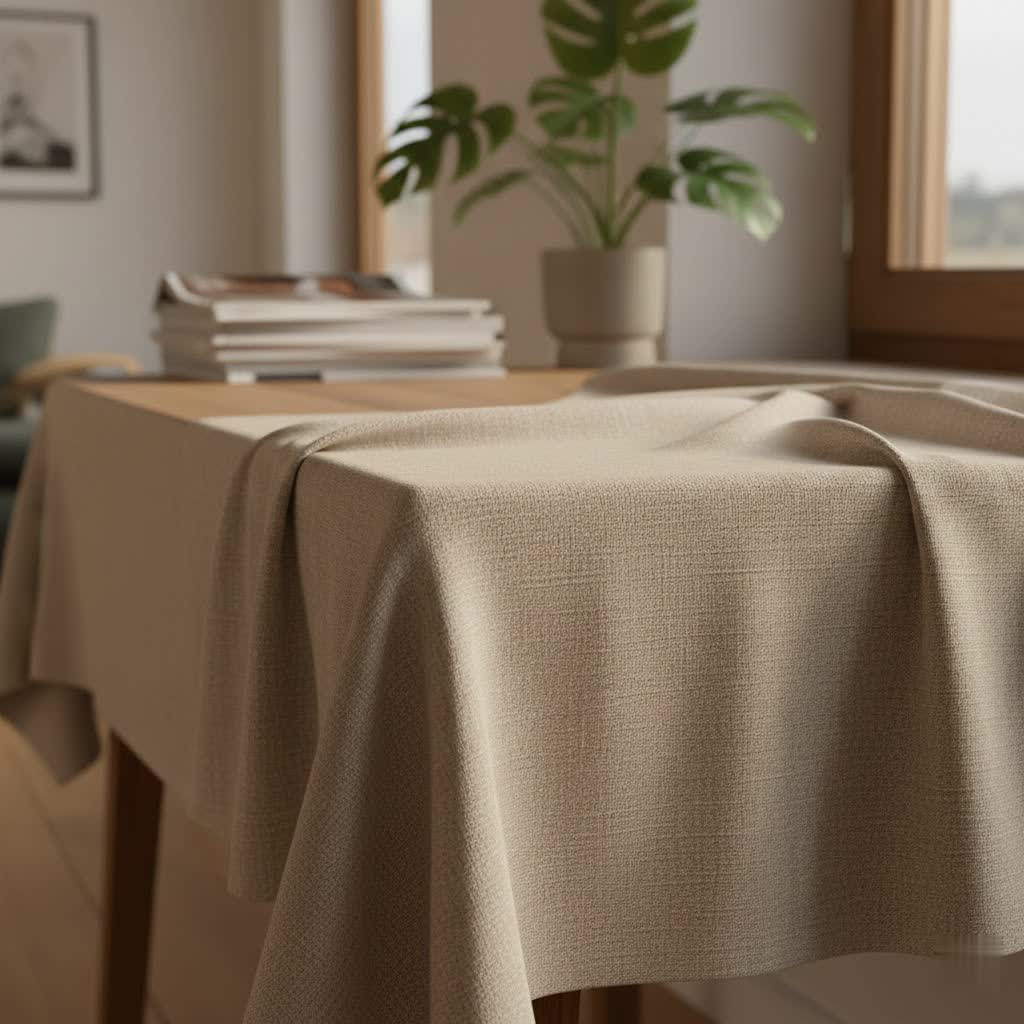
Step into a classic diner, a rustic trattoria, or a lively backyard picnic, and chances are you’ll spot the iconic red and white tablecloth. More than just a piece of fabric, this vibrant combination evokes feelings of warmth, nostalgia, and festive cheer. But how did this particular pairing become such a beloved staple in homes and eateries worldwide? And how can you best harness its timeless appeal for your own space?
What is a Red and White Tablecloth? Why Do You Need It?
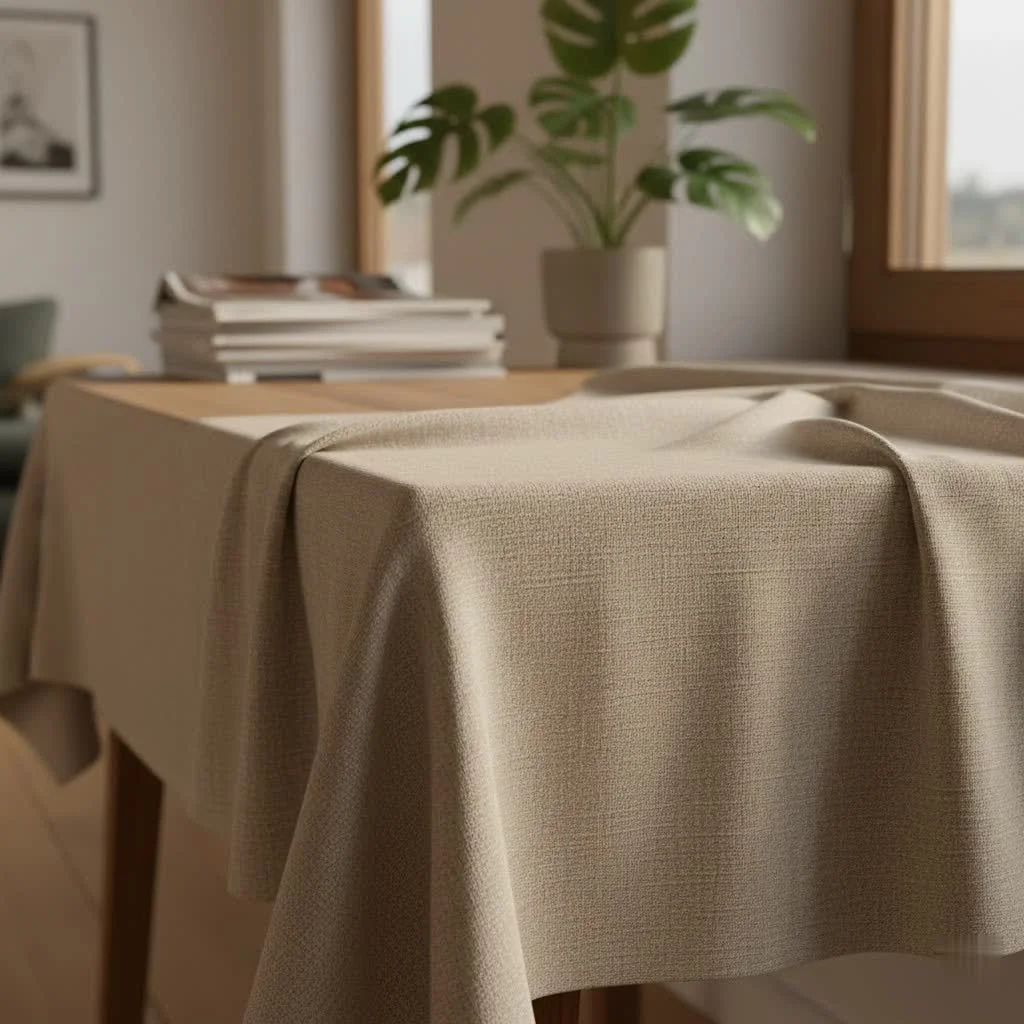
A tablecloth is a foundational element in setting a table, serving both practical and aesthetic purposes. Historically, tablecloths date back centuries, evolving from functional coverings to elaborate decorative pieces. The red and white tablecloth, especially in its checkered or gingham pattern, gained significant popularity in the 20th century, becoming synonymous with casual, friendly, and unpretentious dining experiences. It signaled a welcoming atmosphere, whether in a cozy Italian restaurant or a family picnic. For see our tablecloths recommendations on this site.
Beyond its charming aesthetics, a tablecloth offers several key benefits. Firstly, it protects your valuable table from spills, scratches, and heat damage, preserving its longevity. Secondly, it serves as a powerful decorative tool, instantly transforming the ambiance of a room or setting a specific mood. A red and white tablecloth, for instance, can infuse energy, create a festive holiday atmosphere, or add a touch of rustic comfort. It unifies your tableware and centerpieces, completing the look of your dining space.
Popular Types of Red and White Tablecloths
The versatility of the red and white color scheme allows for a wide array of tablecloth options, catering to different tastes, occasions, and functional needs. Understanding these variations helps you choose the perfect fit for your lifestyle.
By Material
The material of your red and white tablecloth significantly impacts its look, feel, durability, and care requirements.
- Cotton: Cotton tablecloths are celebrated for their soft texture, breathability, and excellent absorbency. They offer a natural, comfortable feel, making them ideal for everyday use and casual gatherings. While easy to wash, cotton can be prone to wrinkles and slight shrinkage, often requiring ironing for a crisp appearance. A red and white cotton tablecloth, particularly in a gingham pattern, embodies a classic farmhouse or picnic aesthetic.
- Linen: Known for its luxurious drape and sophisticated sheen, linen tablecloths bring an elegant touch to any setting. Linen is exceptionally durable, becomes softer with each wash, and is naturally lint-free. Although it wrinkles easily, these wrinkles are often seen as part of its charm, adding to its relaxed elegance. Red and white linen tablecloths are perfect for more formal events or when you desire a refined yet vibrant look. They are also known to release stains more easily than cotton, making them surprisingly practical for entertaining.
- Polyester: If practicality and ease of care are your top priorities, polyester tablecloths are an excellent choice. This synthetic fabric is highly resistant to wrinkles, stains, and shrinking, making it incredibly durable and long-lasting. Polyester is often more affordable and comes in a vast range of styles and finishes, some even mimicking the look of natural fibers. A red and white polyester tablecloth is ideal for busy families, outdoor dining, or commercial settings where frequent washing is necessary.
- PVC/PEVA (Vinyl): For ultimate spill protection and minimal cleanup, PVC or PEVA tablecloths (often referred to as vinyl) are unbeatable. These plastic-based options are completely waterproof and can simply be wiped clean with a damp cloth. They are perfect for households with young children, art projects, or outdoor events like barbecues and garden parties. While less luxurious in feel, red and white vinyl tablecloths, especially in checkered designs, are a staple for casual, fun-filled occasions.
- Lace: For a touch of romantic elegance, a red and white lace tablecloth can be stunning. Often used as an overlay on a solid red or white base, lace adds intricate detail and a delicate texture. It’s typically reserved for more special occasions, such as Valentine’s Day dinners, anniversaries, or elegant tea parties. Care for lace often involves gentle hand washing or delicate machine cycles to preserve its intricate patterns.
By Pattern
|
Our Picks for the Best Table Cloth in 2026
As an Amazon Associate I earn from qualifying purchases.
|
||
| Num | Product | Action |
|---|---|---|
| 1 | sancua Rectangle Tablecloth - 60 x 84 Inch - Stain and Wrinkle Resistant Washable Polyester Table Cloth, Decorative Fabric Table Cover for Dining Tables, Buffet Parties and Camping, Gold |

|
| 2 | sancua Rectangle Tablecloth - 60 x 84 Inch - Stain and Wrinkle Resistant Washable Polyester Table Cloth, Decorative Fabric Table Cover for Dining Tables, Buffet Parties and Camping, Blush |
|
| 3 | sancua Rectangle Tablecloth - 60 x 84 Inch - Stain and Wrinkle Resistant Washable Polyester Table Cloth, Decorative Fabric Table Cover for Dining Tables, Buffet Parties and Camping, Grey |
|
| 4 | sancua Rectangle Tablecloth - 60 x 84 Inch - Stain and Wrinkle Resistant Washable Polyester Table Cloth, Decorative Fabric Table Cover for Dining Tables, Buffet Parties and Camping, Burgundy |
|
| 5 | Pureegg Plastic Table Cloth Disposable 10 Pack, 54 x 108 Inch Table Cloths, Birthday Party Decorations, Picnic, White Tablecloths, Rectangle, Colorful, Rainbow Cover, Leakproof & Sturdy, Balloon |
|
| 6 | sancua Rectangle Tablecloth - 60 x 84 Inch - Stain and Wrinkle Resistant Washable Polyester Table Cloth, Decorative Fabric Table Cover for Dining Tables, Buffet Parties and Camping, Black |
|
| 7 | sancua Rectangle Tablecloth - 60 x 84 Inch - Stain and Wrinkle Resistant Washable Polyester Table Cloth, Decorative Fabric Table Cover for Dining Tables, Buffet Parties and Camping, Beige |
|
| 8 | Pureegg Plastic Table Cloth 10 Pack, 54 x 108 Inch Disposable Table Cloths for Party, Picnic and Wedding, Rectangle, White |
|
| 9 | Pureegg Plastic Table Cloth Disposable 10 Pack, 54 x 108 Inch Table Cloths, Halloween Party Decorations, Summerween Decor, Halloween Tablecloths, Rectangle, Plastic Cover, Leakproof & Sturdy, Black |
|
| 10 | Laolitou Rustic Tablecloth Cotton Linen Waterproof Spring Tablecloth Burlap Table Cloths for Kitchen Dining Cloth Table Cloth for Rectangle Tables Coffee Lines Rectangle,55''x70'',4-6 Seats |
|
While the red and white color scheme itself is distinctive, the pattern chosen further defines the tablecloth’s character.
- Gingham/Checkered: Undeniably the most iconic, the red and white gingham tablecloth instantly brings to mind picnics, classic Italian diners, and country-style kitchens. The repeating square pattern creates a cheerful, rustic, and inviting feel.
- Striped: Whether thin or bold, horizontal or vertical, red and white striped tablecloths offer a crisp, often nautical, or summery vibe. They can make a table appear longer or wider and add a modern graphic element.
- Polka Dot: Playful and retro, red and white polka dot tablecloths are perfect for themed parties, children’s birthdays, or any setting where a touch of whimsy is desired.
- Floral: A red and white floral tablecloth can range from delicate and romantic to bold and exotic, depending on the flower design. This pattern adds natural beauty and can soften a dining space.
- Solid with Accents: A solid white tablecloth with a red border, embroidery, or a red table runner, or vice-versa, offers a more understated elegance. This approach allows for flexibility in decorating and can be easily adapted for various occasions.
By Shape
Tablecloths are designed to fit various table shapes, ensuring a proper and aesthetically pleasing drape.
- Round: Perfectly complements circular dining tables, creating a balanced and harmonious look.
- Square: Ideal for square tables or for creating a layered look on a round table, often at a diagonal.
- Rectangular: The most common shape, suitable for long dining tables, buffets, and outdoor picnic tables.
- Oval: Designed to fit oval-shaped tables, offering a continuous drape around the curved edges.
By Style
The red and white color palette is surprisingly versatile, allowing it to adapt to numerous interior design styles.
- Minimalist: Achieve a minimalist look with a crisp white tablecloth featuring subtle red accents or a fine red stripe, focusing on clean lines and uncluttered settings.
- Vintage: Gingham or polka dot red and white tablecloths are quintessential for a retro or vintage-inspired space, evoking the charm of mid-century diners or classic European bistros.
- Modern: Use geometric red and white patterns or bold, abstract designs to create a contemporary and striking tablescape.
- Country/Farmhouse: The classic red and white checkered pattern is a cornerstone of farmhouse and country decor, lending a cozy, homespun feel to the dining area.
Comparison Table: Popular Red and White Tablecloth Materials
| Material | Pros | Cons | Best For | Price |
|---|---|---|---|---|
| Cotton | Soft, absorbent, breathable, easy to wash | Prone to wrinkles, can shrink, susceptible to stains | Everyday dining, casual gatherings, rustic decor | Medium |
| Linen | Luxurious, durable, breathable, elegant drape | Wrinkles easily, can be expensive, specific care | Formal dinners, refined settings, heirloom quality | High |
| Polyester | Wrinkle-resistant, stain-resistant, durable, affordable | Less breathable, can feel less natural, prone to static | Outdoor use, busy families, commercial settings | Low to Medium |
| PVC/PEVA | Waterproof, extremely easy to clean, disposable options | Less aesthetic, not eco-friendly, can look cheap | Children’s parties, messy activities, temporary outdoor use | Very Low |
| Lace | Elegant, delicate, adds texture and romance | Fragile, requires careful cleaning, primarily decorative | Special occasions, romantic dinners, decorative overlays | Medium to High |
Guide to Choosing the Right Red and White Tablecloth
Selecting the perfect red and white tablecloth involves more than just liking the color combination. Consider these factors to ensure your choice is both beautiful and functional.
1. Determine the Correct Table Size
The right fit is crucial for a polished look. Measure your table’s length and width (or diameter for round tables). For the ideal drape (or “drop”), add twice your desired drop length to each measurement. A typical drop for casual dining is 6-8 inches, while formal settings often feature a 10-15 inch drop, or even floor-length for very elegant events. For instance, a 60-inch round table needing a 10-inch drop would require an 80-inch round tablecloth (60 + 10 + 10).
2. Match Material to Purpose and Occasion
Think about how you’ll use the tablecloth. For daily meals and active households, durable and easy-to-clean polyester or a poly-cotton blend is practical. For festive holidays like Christmas or Valentine’s Day, cotton offers a cozy feel, while linen elevates the elegance. Outdoor picnics or barbecues call for a waterproof PVC/PEVA or a stain-resistant polyester. If you’re hosting a sophisticated dinner party, a red or white linen tablecloth with contrasting accents can set a stunning stage.
3. Select Color and Pattern for Ambiance
The psychology of red and white is powerful. Red signifies passion, energy, and warmth, while white represents purity, cleanliness, and sophistication.
- Gingham/Checkered: Best for a classic, cozy, or rustic feel, perfect for Italian-themed nights or summer gatherings.
- Stripes: Can create a modern, nautical, or festive look.
- Solid Red with White Accents: Bold and dramatic, often chosen for holidays like Christmas or Valentine’s.
- Solid White with Red Accents: Elegant and versatile, allowing red details in napkins or centerpieces to pop.
Consider your existing decor. A red and white tablecloth should complement your dinnerware, napkins, and overall room aesthetic.
4. Consider Durability and Ease of Care
Check the care instructions before purchasing. Some fabrics are machine washable and tumble dryer friendly, making them low maintenance. Others, like delicate lace or pure linen, may require more careful washing or even professional cleaning. Investing in a durable, easy-care fabric can save time and extend the life of your tablecloth.
5. Read User Reviews
Before making a final decision, consult online reviews from other buyers. These can offer valuable insights into the product’s actual quality, color accuracy, durability, and ease of care. Look for feedback on how the tablecloth holds up after washing and whether it meets expectations for the price.
Tips for Cleaning and Storing Your Red and White Tablecloth
Proper care extends the life and vibrancy of your red and white tablecloth. Here’s how to keep it looking its best:
Washing Guidelines by Material
- Cotton: Wash in warm water with a gentle detergent. For tough stains, pre-treat the area before washing. Tumble dry on a low setting and remove promptly to minimize wrinkles. Iron while still slightly damp for a crisp finish.
- Linen: Use a gentle cycle with cold water and a mild detergent. Avoid overloading the machine. Tumble dry on low or air dry, and remove immediately to prevent deep wrinkles. Linen is best ironed while slightly damp to smooth out creases.
- Polyester: Wash in cold water on a gentle cycle. Polyester is often wrinkle-resistant, so a low dryer setting and prompt removal should keep it smooth. Avoid high heat, which can damage the fibers.
- PVC/PEVA (Vinyl): Simply wipe clean with a damp cloth and mild soap. Do not machine wash or dry, as this can damage the material.
Stain Removal Hacks
Speed is key when it comes to stain removal. Always blot a stain (don’t rub!) and test any remover on an inconspicuous area first.
- Red Wine: Blot immediately with a clean cloth. For fresh spills, pour club soda or even white wine on the stain to help lift the pigment. For set-in stains, a paste of baking soda and water can be applied. Alternatively, sprinkling salt on a fresh red wine spill can help prevent it from penetrating the fabric.
- Grease/Oil: Apply a small amount of dish soap directly to the grease stain before washing, gently rub, then launder as usual.
- Tomato Sauce: Pre-treat with a mixture of dish soap and vinegar, then wash in warm water.
- Candle Wax: Allow the wax to harden completely (you can use ice cubes to speed this up), then gently scrape off as much as possible with a dull knife. Any remaining residue can be treated with a fabric cleaner before washing.
Proper Storage to Maintain Quality
Store your tablecloths in a clean, dry place away from direct sunlight, which can cause fading. To prevent wrinkles, fold your tablecloths neatly or, for larger ones, roll them around a cardboard tube. This helps avoid harsh creases that can be difficult to remove later. Ensure tablecloths are completely dry before storing to prevent mildew.
Conclusion
A red and white tablecloth is far more than a simple table covering; it’s a statement of style, a canvas for celebration, and a timeless emblem of hospitality. From the rustic charm of a checkered picnic blanket to the sophisticated elegance of a white linen adorned with crimson roses, this versatile color combination brings warmth and character to any dining experience. By understanding the different materials, patterns, and care requirements, you can easily choose a red and white tablecloth that perfectly suits your needs, elevates your decor, and creates unforgettable memories around your table.
So, how will you incorporate the enduring charm of a red and white tablecloth into your next gathering?
Frequently Asked Questions
Should I choose a red and white checkered tablecloth for everyday use or special occasions?
A red and white checkered tablecloth can be versatile for both. For everyday, choose durable, easy-care materials like polyester or a poly-cotton blend that can withstand frequent washing. For special occasions, particularly those aiming for a rustic or festive theme like a holiday brunch or a themed dinner, a cotton or linen blend gingham offers a classic, charming appeal while still allowing for elegant styling with complementary tableware.
How do I prevent my red and white tablecloth from fading?
To prevent fading, especially with vibrant red hues, wash your tablecloths in cold water on a gentle cycle. Avoid direct sunlight when drying, and if tumble drying, use a low heat setting. Always use a color-safe detergent, and consider washing red and white items separately, or with similar colors, to prevent any potential color bleeding. Promptly treating stains also helps maintain the fabric’s integrity and color.
Get our weekly buyer guide
Practical specs, not advice. Unsubscribe anytime.
