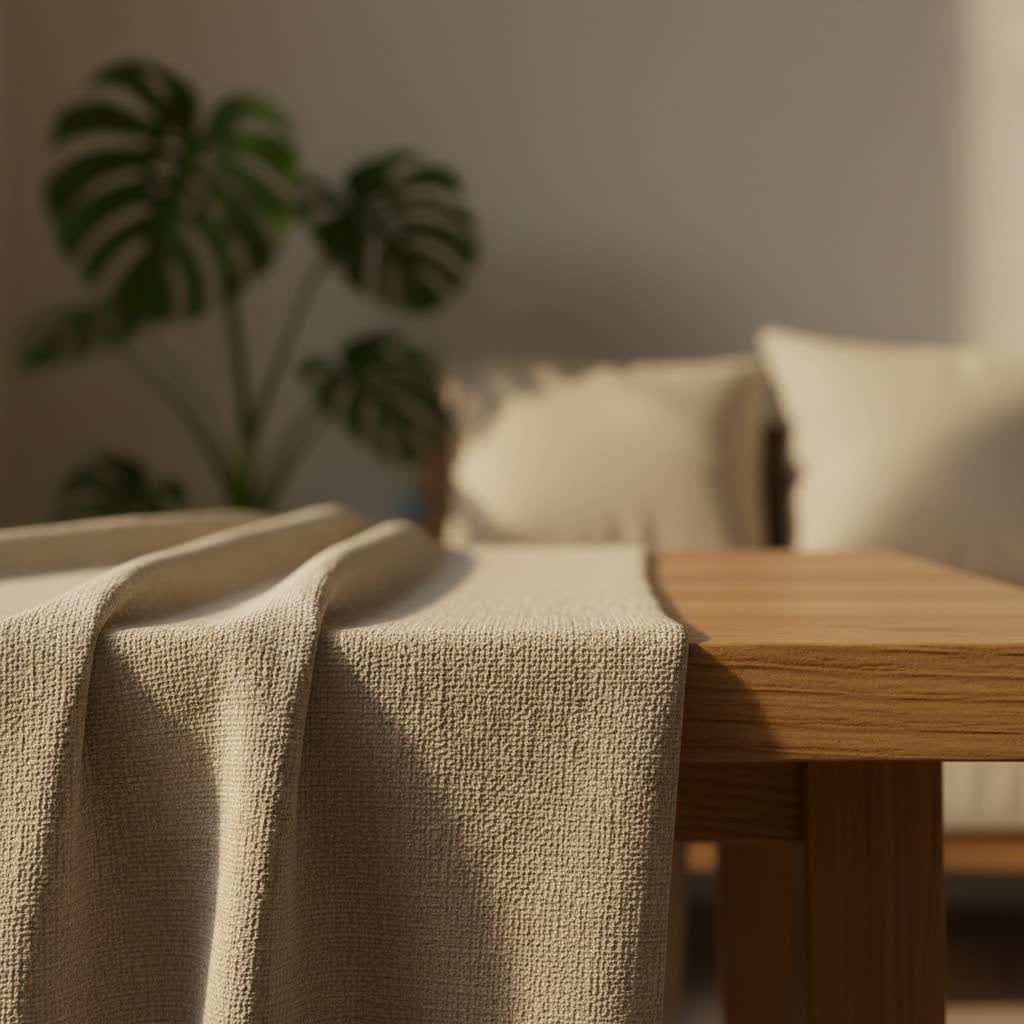
Ever wonder how a simple piece of fabric can dramatically transform your dining space? A tablecloth does just that, and the square tablecloth, with its unique blend of precision and versatility, is a true game-changer. Whether you’re hosting an intimate dinner party, planning a grand celebration, or simply enjoying a quiet meal at home, the right square tablecloth can elevate your setting, offering both protection and a touch of sophisticated charm. Let’s delve into the world of square tablecloths to discover how to choose, use, and care for them, ensuring your table always looks its best.
What is a Tablecloth and Why Do You Need It?
A tablecloth is more than just a decorative linen; it’s a foundational element for any dining or display surface, designed to protect the table while enhancing its aesthetic appeal. Historically, tablecloths have been used for centuries, evolving from functional coverings to intricate works of art that signify hospitality and elegance. Today, their purpose remains twofold: to safeguard your furniture from spills, scratches, and heat, and to provide a canvas for your culinary creations and decor. A well-chosen tablecloth can instantly set the mood, making your space feel warmer, more inviting, or exquisitely formal.
Popular Types of Square Tablecloths
Square tablecloths come in a wide array of materials and styles, each offering distinct advantages. Understanding these differences is key to selecting the perfect one for your specific needs and decor.
By Material
The material of your square tablecloth dictates its feel, durability, and care requirements.
- Cotton: Known for its softness, breathability, and absorbency, cotton is a classic choice. It’s versatile, machine washable, and offers a natural, inviting look, making it ideal for everyday use or casual gatherings. However, cotton can wrinkle easily and may be prone to stubborn stains if not treated promptly.
- Linen: Exuding sophistication, linen is a highly durable and luxurious natural fiber. It has a beautiful drape and a unique texture that adds elegance to any setting, perfect for formal events or a rustic-chic aesthetic. Linen is naturally antibacterial and moth-resistant, releasing stains more easily than cotton or polyester. However, it can be pricier and may require specific care to prevent excessive wrinkling.
- Polyester: A favorite for its practicality, polyester is highly durable, wrinkle-resistant, and often spill-proof or oil-proof. It’s easy to care for, maintains its shape and vibrant colors through many washes, and is generally more affordable. Polyester is an excellent choice for busy households, outdoor dining, or events where frequent laundering is necessary.
- PVC/PEVA (Vinyl): These synthetic options are champions of spill resistance, offering absolute waterproofing and effortless wipe-clean maintenance. They are particularly suitable for tables used by children, outdoor picnics, or commercial settings due to their robust nature and low cost. While highly functional, they are generally less breathable and might not offer the same luxurious feel as natural fibers.
- Lace: For a touch of delicate elegance and intricate design, lace tablecloths are unmatched. They are often used as overlays or for decorative purposes on smaller tables, adding a romantic or vintage flair. Lace requires gentle care due to its delicate structure and can be more prone to tearing.
|
Our Picks for the Best Table Cloth in 2026
We may earn a commission when you use one of our links to make a purchase.
|
||
| Num | Product | Action |
|---|---|---|
| 1 | Pureegg Plastic Table Cloth Disposable 10 Pack, 54 x 108 Inch Table Cloths, Halloween Party Decorations, Summerween Decor, Halloween Tablecloths, Rectangle, Plastic Cover, Leakproof & Sturdy, Black |

|
| 2 | sancua Rectangle Tablecloth - 60 x 84 Inch - Stain and Wrinkle Resistant Washable Polyester Table Cloth, Decorative Fabric Table Cover for Dining Tables, Buffet Parties and Camping, Blush |
|
| 3 | sancua Rectangle Tablecloth - 60 x 84 Inch - Stain and Wrinkle Resistant Washable Polyester Table Cloth, Decorative Fabric Table Cover for Dining Tables, Buffet Parties and Camping, Black |
|
| 4 | sancua Rectangle Tablecloth - 60 x 84 Inch - Stain and Wrinkle Resistant Washable Polyester Table Cloth, Decorative Fabric Table Cover for Dining Tables, Buffet Parties and Camping, Beige |
|
| 5 | sancua Rectangle Tablecloth - 60 x 84 Inch - Stain and Wrinkle Resistant Washable Polyester Table Cloth, Decorative Fabric Table Cover for Dining Tables, Buffet Parties and Camping, Grey |
|
| 6 | sancua Rectangle Tablecloth - 60 x 84 Inch - Stain and Wrinkle Resistant Washable Polyester Table Cloth, Decorative Fabric Table Cover for Dining Tables, Buffet Parties and Camping, Burgundy |
|
| 7 | Pureegg Plastic Table Cloth 10 Pack, 54 x 108 Inch Disposable Table Cloths for Party, Picnic and Wedding, Rectangle, White |
|
| 8 | Laolitou Rustic Tablecloth Cotton Linen Waterproof Spring Tablecloth Burlap Table Cloths for Kitchen Dining Cloth Table Cloth for Rectangle Tables Coffee Lines Rectangle,55''x70'',4-6 Seats |
|
| 9 | sancua Rectangle Tablecloth - 60 x 84 Inch - Stain and Wrinkle Resistant Washable Polyester Table Cloth, Decorative Fabric Table Cover for Dining Tables, Buffet Parties and Camping, Gold |
|
| 10 | Pureegg Plastic Table Cloth Disposable 10 Pack, 54 x 108 Inch Table Cloths, Birthday Party Decorations, Picnic, White Tablecloths, Rectangle, Colorful, Rainbow Cover, Leakproof & Sturdy, Balloon |
|
By Shape Adaptability
While designed for square tables, these tablecloths offer surprising versatility.
- For Square Tables: The most obvious fit, providing a clean, precise drape that mirrors the table’s geometry.
- For Round Tables: Using a square tablecloth on a round table creates an elegant, layered effect with diagonal drapes, adding visual interest and a modern twist.
- For Rectangular Tables: A smaller square tablecloth can be used as a stylish overlay on a larger rectangular table, creating a focal point in the center.
By Style
The style of your square tablecloth significantly contributes to your room’s ambiance.
- Minimalist: Often solid colors, simple textures, and clean lines, perfect for contemporary and uncluttered spaces.
- Vintage: Featuring classic patterns like gingham or plaid, floral designs, or delicate lace, evoking a sense of nostalgia and charm.
- Modern: Bold geometric patterns, abstract designs, or rich, saturated colors that make a statement.
- Farmhouse/Rustic: Natural textures like linen, muted tones, and simple patterns that create a cozy, earthy, and inviting atmosphere.
Comparing Popular Square Tablecloth Materials
Choosing the right material involves weighing its benefits against its drawbacks and considering your specific lifestyle. Here’s a quick comparison:
| Material | Advantages | Disadvantages | Best Suited For | Price Range |
|---|---|---|---|---|
| Cotton | Soft, absorbent, breathable, easy to wash, versatile. | Wrinkles easily, prone to setting stains. | Casual dining, everyday use, families with children. | Medium |
| Linen | Luxurious feel, highly durable, elegant drape, releases stains easily, antibacterial. | Expensive, wrinkles easily, requires careful washing. | Formal dining, special occasions, vintage or rustic decor. | High |
| Polyester | Wrinkle-resistant, stain-resistant, durable, vibrant colors, easy care. | Less breathable than natural fibers, can feel less luxurious. | Outdoor use, busy families, events, commercial settings. | Low to Medium |
| PVC/PEVA | Waterproof, extremely easy to clean (wipeable), highly durable. | Less aesthetic appeal, not eco-friendly, can feel artificial. | Children’s parties, outdoor picnics, high-traffic areas. | Low |
| Lace | Elegant, intricate, adds decorative flair, delicate. | Fragile, difficult to clean, prone to tearing. | Decorative overlays, formal tea parties, romantic settings. | High |
How to Choose the Perfect Square Tablecloth
Selecting a square tablecloth that fits seamlessly into your home requires a thoughtful approach, considering both practicalities and aesthetics.
- Determine Your Table’s Dimensions and Desired Drop: First, measure the length of one side of your square table. For a classic look, a “drop” or overhang of 6-12 inches on each side is standard for casual dining. For more formal occasions, you might prefer a longer drop, perhaps 15 inches or even floor-length (around 29-30 inches). To calculate the tablecloth size, take your table’s length and add double your desired drop to it. For example, if your square table is 40 inches and you want a 10-inch drop, you’d need a 60×60 inch tablecloth (40 + (10×2)).
- Match Material to Purpose: Consider how the tablecloth will be used. For daily family meals, a durable, easy-to-clean polyester or a soft, machine-washable cotton might be best. If you’re hosting formal dinners, linen or a high-quality cotton blend can add a touch of sophistication. Outdoor use calls for weather-resistant materials like polyester or vinyl.
- Harmonize with Your Space’s Style and Color Scheme: The tablecloth should complement your existing decor. Choose colors and patterns that enhance the room’s palette and style. A minimalist home might benefit from solid, neutral tones, while a vibrant space could embrace bold patterns or rich hues. Seasonal themes or special occasions can also inspire unique choices.
- Prioritize Durability and Ease of Care: A beautiful tablecloth is only truly practical if it can withstand regular use and cleaning. Check care labels before purchasing. Materials like polyester are known for their resilience and low maintenance, while natural fibers like linen may require more specific care.
- Read User Reviews: Online reviews can offer valuable insights into the actual quality, durability, and color accuracy of a tablecloth. Pay attention to comments regarding washing, wrinkling, and overall satisfaction to make an informed decision.
Tips for Cleaning and Storing Your Square Tablecloth
Proper care extends the life and beauty of your square tablecloths. Each material has specific needs, but some general rules apply.
General Washing Guidelines:
- Pre-treat Stains Immediately: Blot (don’t rub) spills with a clean cloth. For stubborn stains like red wine, oil, or wax, pre-treat as soon as possible. For red wine, soak the area in water and use a mixture of mild dish soap and hydrogen peroxide (test on an inconspicuous spot for colored fabrics). For oil stains, dust with cornstarch or baking soda, let it sit, then brush off and wash. For wax, chip off excess, place a brown paper bag over the stain, and iron on medium heat to absorb the melted wax.
- Sort by Color and Material: Always wash whites and colors separately to prevent bleeding. Group similar materials together, as different fabrics may require different water temperatures and cycles.
- Use Appropriate Detergent: Biological detergents are often recommended, especially for polyester, as their enzymes help break down fats and oils. Avoid chlorine bleach on colored fabrics as it can cause permanent color loss.
- Follow Care Labels: Always check the manufacturer’s care instructions for specific temperature and cycle recommendations. Most cotton and polyester tablecloths are machine washable. Linen often benefits from a gentle cycle with mild soap.
- Avoid Overloading: Don’t overcrowd your washing machine; this allows the tablecloths to move freely, ensuring a better clean and reducing creasing.
Drying and Ironing:
- Handle with Care: Remove tablecloths promptly from the washer to minimize wrinkles.
- Tumble Dry Low or Line Dry: Polyester dries quickly; tumble dry on the lowest heat setting or line dry until slightly damp. Line drying is often best for linen and cotton to prevent excessive shrinkage and deep wrinkles.
- Iron While Damp: For best results, iron cotton and linen tablecloths while they are still slightly damp. Use the appropriate heat setting for the fabric. Polyester usually requires a medium setting with steam.
Storage:
- Clean Before Storing: Ensure tablecloths are completely clean and dry before storing to prevent mildew and permanent stains.
- Minimize Creases: To avoid deep creases, roll larger tablecloths around a sturdy cardboard tube or fold them over a large, padded hanger. For smaller items, folding them flat in a drawer or on a shelf in a cool, dry place works well.
> “A beautiful tablecloth can transform an ordinary meal into a special occasion.” – Anna Nguyen, Interior Design Expert
Top Tablecloth Brands to Consider
While specific brand recommendations can vary by region and availability, here are general categories of reputable brands known for quality:
- Luxury Linen Brands: Brands specializing in European linen often offer high-quality, durable, and elegantly designed tablecloths, though at a higher price point. Look for certifications like “Masters of Linen.”
- Home Goods Retailers: Major home goods stores often carry a wide range of materials and styles at various price points, from everyday cotton to decorative polyester.
- Event Linen Suppliers: Companies that cater to event planners often provide durable, wrinkle-resistant polyester tablecloths in a vast selection of colors and sizes, ideal for frequent use.
- Artisan & Handmade Shops: Platforms like Etsy offer unique, handcrafted square tablecloths, often made from natural fibers with distinctive patterns, supporting independent creators.
Conclusion
A square tablecloth is a powerful tool in your home decor arsenal, offering protection, style, and a touch of personal flair to any table. By understanding the nuances of different materials, selecting the right size, and adhering to proper care routines, you can ensure your tablecloths remain a beautiful and functional part of your living space for years to come. Whether you opt for the casual charm of cotton, the refined elegance of linen, or the practical resilience of polyester, the perfect square tablecloth awaits to transform your dining experience.
What kind of ambiance do you hope to create with your next square tablecloth?
Frequently Asked Questions
Which square tablecloth material is best for daily dining?
For everyday use, polyester or cotton are excellent choices for a square tablecloth. Polyester offers superior stain resistance and wrinkle-free convenience, while cotton provides a soft, natural feel and is easy to machine wash. Both are durable and practical for frequent meals.
How do I wash a linen square tablecloth without it wrinkling excessively?
To minimize wrinkles in a linen square tablecloth, wash it in cold or lukewarm water on a gentle cycle with mild detergent. Remove it promptly after the cycle and line dry or tumble dry on a very low heat setting until slightly damp. Iron while still damp using a medium-hot iron to smooth out creases more easily.